Cooling down after a workout often gets overlooked, but it’s a crucial step in optimizing your recovery and performance. Think of it as the unsung hero of your fitness routine. It’s not just about stopping; it’s about actively guiding your body back to a state of equilibrium, setting the stage for muscle repair, and reducing the risk of injuries. This guide delves into the science and practical methods of cooling down, revealing how you can enhance your post-exercise recovery effectively.
We’ll explore various techniques, from light cardio and stretching to the more advanced methods like cold water immersion, all aimed at helping you recover faster and feel better. This guide will also cover essential elements such as hydration, nutrition, and specific considerations for different activities, ensuring you have a complete understanding of how to cool down effectively.
Understanding the Importance of Cooling Down for Recovery
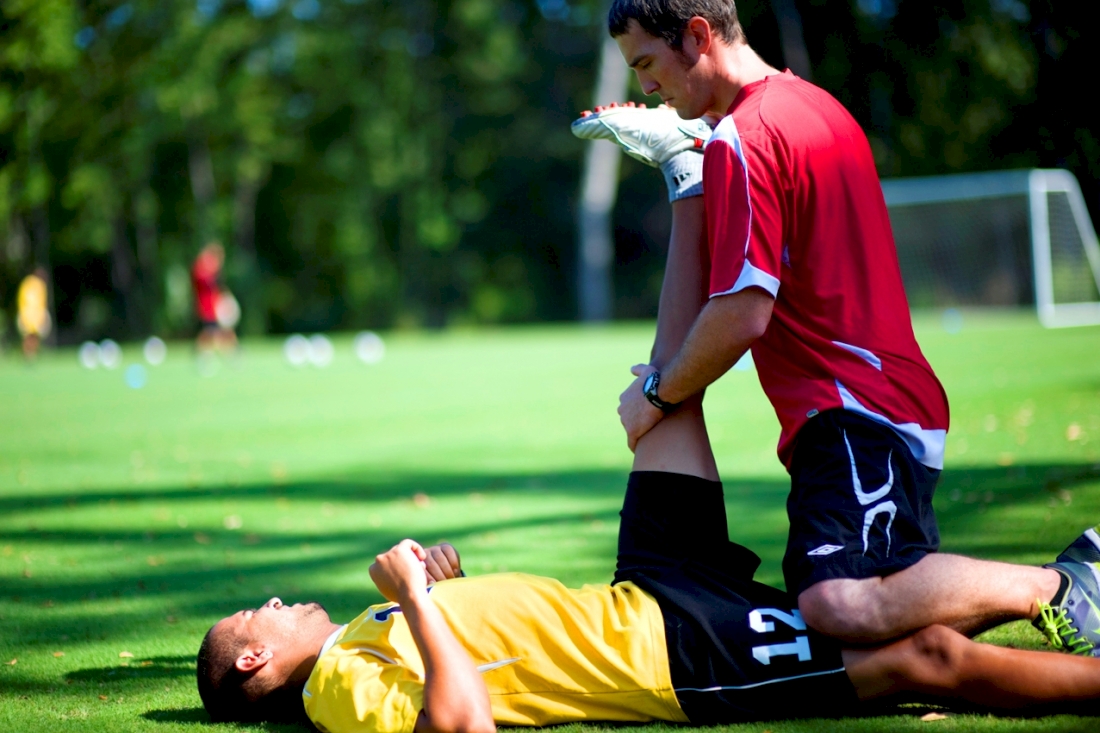
Cooling down is a crucial yet often overlooked component of any workout routine. It’s the transition phase that gently guides your body from a state of high activity back to a resting state. This process offers significant benefits for recovery, injury prevention, and overall athletic performance. Let’s delve into why a proper cool-down is so important.
Physiological Benefits of Cooling Down
The physiological changes that occur during a cool-down are designed to help your body recover efficiently. This involves several key processes that contribute to better health and athletic performance.
- Improved Blood Flow: During exercise, your heart pumps blood at an elevated rate to deliver oxygen and nutrients to working muscles. Cooling down helps maintain this increased blood flow, which aids in removing metabolic waste products like lactic acid. This is achieved by gradually reducing the intensity of your activity, allowing your heart rate to return to its resting level.
- Reduced Muscle Spasms: Intense physical activity can sometimes lead to muscle spasms. A cool-down, especially when it incorporates light stretching, can help prevent or minimize these spasms by promoting relaxation and flexibility in the muscles.
- Hormonal Regulation: Cooling down assists in the regulation of hormones. It helps bring your body back to a state of hormonal balance after the stress of exercise. For instance, cortisol levels (a stress hormone) gradually decrease, while the release of endorphins (natural mood boosters) can continue, contributing to a feeling of well-being.
- Enhanced Flexibility: Cool-down exercises, such as static stretching, improve flexibility. This is because muscles are more pliable when warm, making it easier to lengthen them and improve range of motion.
Reducing Muscle Soreness and Stiffness Through Cooling Down
Muscle soreness and stiffness are common after-effects of exercise, particularly when you are starting a new exercise program or increasing the intensity of your workouts. Cooling down plays a significant role in mitigating these issues.
- Lactic Acid Clearance: While often blamed for muscle soreness, lactic acid is typically cleared from the muscles within an hour or two after exercise. However, the process can be accelerated by improved blood flow during the cool-down, as mentioned previously. This can contribute to a reduction in perceived soreness.
- Reduced Muscle Damage: Intense exercise can cause microscopic tears in muscle fibers. A proper cool-down, including light activity and stretching, can help minimize this damage by gradually reducing the stress on the muscles.
- Enhanced Nutrient Delivery: Improved blood flow during the cool-down not only removes waste products but also delivers nutrients necessary for muscle repair. This supports faster recovery and reduces stiffness.
- Examples: Consider a runner who completes a hard interval training session. Instead of stopping abruptly, they transition into a light jog and then walking, followed by static stretches like hamstring stretches and quad stretches. This gradual decrease in intensity and the subsequent stretching can significantly reduce the delayed-onset muscle soreness (DOMS) they experience in the following days. Another example is a weightlifter who finishes a set of squats.
They would cool down with a few minutes of light cardio, such as cycling or using the elliptical, and then static stretches targeting the legs and core.
The Impact of Effective Cooling on Injury Prevention
Injury prevention is one of the most critical benefits of a well-executed cool-down. By preparing your body for rest, you reduce the risk of various exercise-related injuries.
- Improved Flexibility and Range of Motion: Cooling down often involves stretching, which increases flexibility. Increased flexibility allows your muscles to absorb more force, making them less susceptible to strains and tears.
- Reduced Muscle Tightness: Tight muscles are more prone to injury. A cool-down helps prevent muscles from tightening up after exercise, which can increase the risk of strains and pulls.
- Enhanced Muscle Recovery: By promoting blood flow and nutrient delivery, a cool-down aids in the repair of any micro-tears that may have occurred during exercise. Faster recovery means less risk of overuse injuries.
- Examples: A soccer player who finishes a match without a cool-down is more likely to experience muscle strains or pulls compared to a player who takes the time to jog, stretch, and cool down. Similarly, a swimmer who abruptly stops swimming after a race might experience muscle cramps and increased stiffness, increasing the risk of shoulder or back injuries. However, by gradually decreasing their swimming intensity and performing dynamic and static stretches, they can significantly reduce these risks.
A yoga instructor who guides students through a cool-down sequence that includes gentle twists and forward folds helps them to release tension and prevent injury.
Methods for Cooling Down the Body
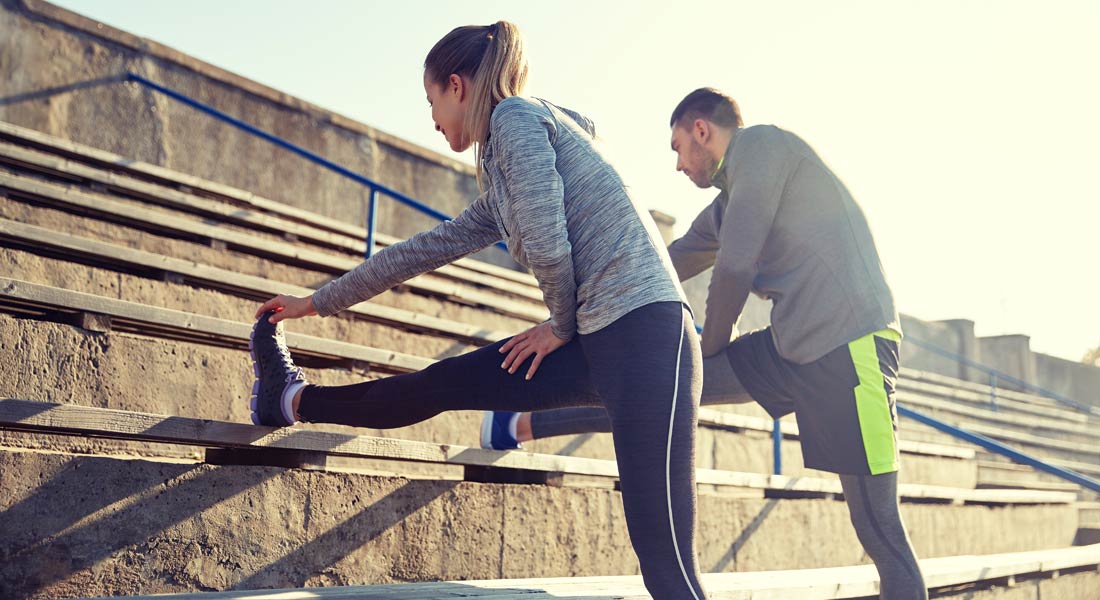
Cooling down is a crucial aspect of any workout routine, helping your body transition smoothly from an active state to a resting one. It promotes recovery, reduces the risk of injury, and minimizes muscle soreness. Implementing effective cooling-down methods can significantly enhance your overall fitness experience and improve your long-term athletic performance.
Active and Passive Recovery Methods
Both active and passive recovery methods play important roles in cooling down. Understanding the differences between these methods allows you to choose the most suitable approach based on your workout intensity and personal preferences.
- Active Recovery: Active recovery involves performing low-intensity exercises after your main workout. This helps to maintain blood flow, which aids in the removal of metabolic waste products like lactic acid from the muscles. Examples include light cardio, such as walking or cycling, and dynamic stretching.
- Passive Recovery: Passive recovery involves complete rest, allowing your body to recover without any additional physical activity. This might include simply sitting or lying down, or incorporating restorative activities like foam rolling or a cold shower. Passive recovery is often used after particularly strenuous workouts or when you’re feeling fatigued.
Procedures for Light Cardio Cooling Down
Light cardio is an effective method for cooling down because it gradually lowers your heart rate and allows your body to regulate its temperature. This helps to prevent blood from pooling in your extremities and reduces the risk of dizziness or lightheadedness.
- Walking: After a run or intense exercise session, begin with a slow walk. Gradually decrease your pace until you are walking at a comfortable, conversational speed. Aim for 5-10 minutes of walking.
- Cycling: If you’ve been cycling, reduce your pedaling resistance and maintain a light, easy pace for 5-10 minutes. This allows your heart rate to slowly return to its resting level.
- Swimming: After swimming laps, swim at a very slow and relaxed pace for a few minutes. This is an excellent low-impact way to cool down.
- Monitor Your Heart Rate: Pay attention to your heart rate. Your goal is to see it gradually decrease towards its resting level.
Comparison of Cooling Down Methods
Different cooling down methods offer varying benefits and drawbacks. This table provides a comparison to help you choose the best approach for your needs.
| Cooling Down Method | Benefits | Drawbacks | Best Suited For |
|---|---|---|---|
| Light Cardio (Walking/Cycling) |
|
|
Most workouts, especially running, cycling, and other cardio-intensive activities. |
| Stretching (Static/Dynamic) |
|
|
All types of workouts; particularly beneficial after strength training or activities involving repetitive movements. |
| Foam Rolling |
|
|
Strength training, intense workouts, and any activity that leads to muscle tightness. |
| Cold Shower/Bath |
|
|
Intense workouts, especially those leading to significant muscle soreness or inflammation. |
The Role of Stretching in Cooling Down
Stretching is an integral part of the cooling-down process, contributing significantly to muscle recovery and injury prevention. It helps to restore your muscles to their pre-exercise length and improve flexibility.
- Static Stretching: Holding a stretch for a specific duration (typically 15-30 seconds). This can help improve flexibility and reduce muscle tension. Examples include hamstring stretches, quad stretches, and calf stretches.
- Dynamic Stretching: Performing controlled movements through a full range of motion. This can help improve blood flow and prepare muscles for future activity. Examples include arm circles, leg swings, and torso twists.
- Benefits of Stretching:
- Improved Flexibility: Stretching helps to increase the range of motion in your joints.
- Reduced Muscle Soreness: Stretching can help to alleviate post-exercise muscle soreness (DOMS).
- Injury Prevention: Regular stretching can reduce the risk of muscle strains and other injuries.
The Role of Hydration and Nutrition in Recovery
Proper hydration and nutrition are critical components of effective recovery after exercise. They work synergistically with cooling down techniques to replenish lost fluids and nutrients, repair muscle damage, and facilitate overall physiological restoration. Ignoring these aspects can significantly hinder recovery, leading to increased muscle soreness, fatigue, and a higher risk of injury.
Importance of Hydration for Effective Cooling and Recovery
Hydration plays a vital role in the cooling process and subsequent recovery. During exercise, the body generates heat, and sweating is the primary mechanism for dissipating this heat. When you sweat, you lose fluids and electrolytes, which can lead to dehydration if not replaced. Dehydration impairs the body’s ability to cool itself efficiently, increasing the risk of heat-related illnesses and delaying recovery.
Adequate hydration supports optimal blood volume, nutrient transport, and waste removal, all of which are crucial for muscle repair and recovery.
Recommended Fluids for Rehydration Post-Exercise
Replenishing fluids lost through sweat is essential after exercise. The following fluids are recommended for rehydration:
- Water: Plain water is the foundation of rehydration. It’s easily accessible and effectively replaces fluid loss. Drink water throughout the day, especially after exercise.
- Electrolyte Drinks: These beverages contain electrolytes like sodium, potassium, and magnesium, which are lost through sweat. They help restore electrolyte balance and enhance fluid absorption. Choose options with low sugar content.
- Coconut Water: Naturally rich in electrolytes, especially potassium, coconut water is a refreshing and hydrating alternative to sports drinks.
- Milk (Dairy or Plant-Based): Milk provides fluids, electrolytes, and protein, making it a good choice for post-exercise recovery. Plant-based milk alternatives like soy or almond milk can also be used.
- Fruit Juices (Diluted): While fruit juices contain natural sugars, they can be a good source of carbohydrates and electrolytes. Dilute them with water to reduce sugar intake.
Role of Nutrition in Muscle Repair and Recovery After Exercise
Nutrition is fundamental to the recovery process, as it provides the building blocks for muscle repair and replenishment of energy stores. After exercise, muscles experience microscopic damage, and the body needs adequate protein and carbohydrates to rebuild and refuel. Consuming a balanced diet rich in essential nutrients helps reduce muscle soreness, promotes muscle growth, and restores glycogen levels.
Foods That Aid in Recovery, Emphasizing Their Benefits
Consuming specific foods can significantly enhance recovery after exercise. Here are some examples:
- Protein-Rich Foods: Protein is essential for muscle repair and growth. Consume protein within an hour or two after exercise to maximize muscle protein synthesis.
- Chicken Breast: A lean protein source that is easily digestible.
- Fish (Salmon, Tuna): Rich in omega-3 fatty acids, which have anti-inflammatory properties.
- Eggs: A complete protein source containing all essential amino acids.
- Greek Yogurt: Contains protein and probiotics, which aid in gut health.
- Carbohydrate-Rich Foods: Carbohydrates replenish glycogen stores, the primary energy source for muscles.
- Sweet Potatoes: Provide complex carbohydrates and essential nutrients.
- Brown Rice: A good source of fiber and carbohydrates.
- Quinoa: A complete protein and carbohydrate source.
- Fruits (Bananas, Berries): Provide natural sugars for quick energy replenishment.
- Foods with Anti-Inflammatory Properties: Reduce muscle soreness and promote faster recovery.
- Berries (Blueberries, Strawberries): Rich in antioxidants.
- Leafy Green Vegetables (Spinach, Kale): Contain vitamins and minerals that support overall health.
- Turmeric: Contains curcumin, a powerful anti-inflammatory compound.
- Ginger: Has anti-inflammatory and antioxidant effects.
- Healthy Fats: Contribute to overall health and hormone regulation.
- Avocados: Provide healthy fats and nutrients.
- Nuts and Seeds: Offer healthy fats and protein.
- Olive Oil: A source of monounsaturated fats with anti-inflammatory benefits.
Cold Water Immersion and Its Benefits

Cold water immersion (CWI), often referred to as cold water therapy or ice baths, is a popular recovery method among athletes and fitness enthusiasts. This technique involves immersing the body in cold water for a specific duration to reduce muscle soreness, inflammation, and accelerate recovery. Let’s delve into the science behind CWI, how to use it safely, and the experiences of those who have benefited from it.
The Science Behind Cold Water Immersion and Its Impact on Recovery
CWI impacts the body in several ways, primarily by influencing the cardiovascular and nervous systems. When exposed to cold water, blood vessels constrict (vasoconstriction), reducing blood flow to the muscles. This initial constriction helps to minimize swelling and inflammation, which are common responses to intense exercise. Upon exiting the cold water, the blood vessels then dilate (vasodilation), increasing blood flow to the muscles.
This process helps to remove metabolic waste products, such as lactic acid, that contribute to muscle fatigue and soreness. Furthermore, CWI can reduce the activity of the nervous system, leading to a decrease in pain perception and a feeling of relaxation. Studies have shown that CWI can also influence the release of hormones, such as endorphins, which can contribute to a sense of well-being and potentially reduce perceived muscle soreness.
Proper Procedures for Safely Using Cold Water Immersion
To safely and effectively utilize CWI, it’s crucial to follow specific guidelines regarding water temperature and duration.
- Temperature: The ideal water temperature for CWI typically ranges between 10-15 degrees Celsius (50-59 degrees Fahrenheit). Using a thermometer is essential to ensure the water is within this range. Colder temperatures may increase the risk of adverse reactions.
- Duration: The recommended duration for CWI usually varies between 5 to 15 minutes. Beginners should start with shorter durations and gradually increase the time as they become accustomed to the cold. Prolonged exposure can increase the risk of hypothermia.
- Preparation: Before entering the cold water, it’s beneficial to warm up slightly to prepare the body for the temperature change. This can involve light cardio or stretching.
- Entry and Exit: Enter the water slowly and gradually. Upon exiting, dry off immediately and dress warmly to prevent further chilling.
- Monitoring: Always monitor your body’s response during CWI. If you experience shivering, numbness, or discomfort, exit the water immediately.
Potential Risks and Contraindications of Cold Water Immersion
Potential Risks and Contraindications:
- Hypothermia: Prolonged exposure to cold water can lead to hypothermia, a dangerous condition where the body loses heat faster than it can produce it.
- Cold Shock Response: Sudden immersion in cold water can trigger a cold shock response, characterized by rapid breathing, increased heart rate, and potential for panic.
- Cardiovascular Issues: Individuals with cardiovascular conditions, such as heart disease or high blood pressure, should consult with a healthcare professional before using CWI, as it can put stress on the heart.
- Raynaud’s Phenomenon: People with Raynaud’s phenomenon, a condition that causes reduced blood flow to the fingers and toes, should avoid CWI.
- Pregnancy: Pregnant women should avoid CWI.
- Open Wounds: Avoid CWI if you have open wounds.
Experiences of Athletes Who Have Used Cold Water Immersion and Its Effects
Many athletes across various sports have incorporated CWI into their recovery routines, reporting positive effects on muscle soreness and recovery time.
- Example: Michael Phelps, a renowned Olympic swimmer, frequently used ice baths after intense training sessions to aid in muscle recovery and reduce inflammation. He described feeling refreshed and less sore following these immersions.
- Example: Many marathon runners utilize ice baths after races to alleviate muscle soreness and facilitate recovery. Anecdotal evidence suggests a quicker return to training after using CWI.
- Example: Professional soccer teams often employ CWI as part of their post-match recovery protocols. Players report feeling less fatigued and experiencing reduced muscle stiffness in the days following matches.
Other Cooling Techniques
Beyond the previously discussed methods, a variety of other cooling techniques can aid in muscle recovery and reduce post-exercise soreness. These techniques offer diverse approaches, catering to individual preferences and the specific needs of athletes and fitness enthusiasts. Understanding these alternatives provides a comprehensive toolkit for effective recovery.
Comparing Ice Baths, Cold Showers, and Ice Packs
Each cooling method offers unique benefits, making it crucial to understand their differences to choose the most appropriate option. The effectiveness of each technique depends on the intensity of the workout, the individual’s tolerance, and the available resources.
- Ice Baths: Ice baths involve immersing the entire body (or a significant portion) in cold water, typically between 50-59°F (10-15°C). This rapid cooling can reduce muscle soreness and inflammation. However, they can be intense and may not be suitable for everyone, particularly those with cardiovascular issues. The cold shock can be a significant stressor on the body. For example, professional athletes often use ice baths after intense training sessions to accelerate recovery.
- Cold Showers: Cold showers offer a more accessible alternative. They provide localized cooling and are generally less shocking than ice baths. The cold water constricts blood vessels, reducing inflammation and promoting faster recovery. Cold showers are easier to incorporate into a daily routine, making them a practical choice for consistent recovery. The temperature can be adjusted to individual tolerance levels.
- Ice Packs: Ice packs are ideal for targeted cooling. They are applied directly to specific areas of the body experiencing pain or inflammation. They are easy to use and readily available. They can reduce swelling and alleviate pain. However, they may not be as effective for widespread muscle soreness compared to full-body methods.
The use of ice packs is common after injuries or localized muscle strains.
Creating a DIY Ice Pack for Muscle Recovery
Creating a DIY ice pack is a simple and cost-effective way to manage muscle soreness and promote recovery. This method allows for customized application and offers a readily available solution for post-workout care.
- Materials Needed: You will need a resealable plastic bag (like a Ziploc bag), water, rubbing alcohol (isopropyl alcohol), and a towel.
- Preparation: Mix 1 part rubbing alcohol with 3 parts water in the plastic bag. For example, use 1/4 cup of rubbing alcohol and 3/4 cup of water. The alcohol lowers the freezing point of the water, making the ice pack more pliable and comfortable.
- Freezing: Seal the bag tightly, removing as much air as possible. Place the bag in the freezer. The mixture should freeze into a slushy consistency, not a solid block of ice.
- Application: Once frozen, wrap the ice pack in a thin towel before applying it to the affected area. This prevents direct contact with the skin and protects against frostbite. Apply the ice pack for 15-20 minutes at a time, with breaks in between to allow the skin to warm up.
Demonstrating the Application of Compression Garments and Their Benefits for Recovery
Compression garments, such as compression sleeves, shorts, and tights, are designed to improve blood circulation and reduce muscle soreness. They apply gentle pressure to the muscles, promoting efficient waste removal and oxygen delivery, aiding recovery.
Application: Compression garments should be worn immediately after exercise and can be worn for several hours or even overnight. It is crucial to select the correct size to ensure the garment fits snugly but doesn’t restrict circulation. The fit should be comfortable and provide noticeable compression without being overly tight.
Benefits:
- Reduced Muscle Soreness: Compression garments can help reduce delayed-onset muscle soreness (DOMS) by minimizing muscle damage and inflammation.
- Improved Blood Flow: The garments enhance blood flow, delivering oxygen and nutrients to the muscles and removing waste products.
- Reduced Swelling: Compression can help reduce swelling and edema, particularly after intense workouts or injuries.
- Enhanced Recovery: By improving circulation and reducing inflammation, compression garments can speed up the recovery process.
Example: Many marathon runners and triathletes use compression socks during and after races to aid in recovery and reduce the risk of muscle fatigue.
Alternative Cooling Methods and Their Availability
Beyond ice baths, cold showers, ice packs, and compression garments, several other cooling methods can aid in recovery. Understanding these alternatives and their availability expands the recovery toolkit.
- Cryotherapy: Cryotherapy involves exposing the body to extremely cold temperatures, typically in a cryotherapy chamber. This can reduce inflammation, relieve pain, and improve recovery. Cryotherapy is often used by athletes and individuals seeking rapid recovery. It is available at specialized clinics and wellness centers.
- Contrast Therapy: Contrast therapy involves alternating between hot and cold treatments, such as hot tubs and cold plunges or hot showers and cold showers. This method can stimulate blood flow and reduce muscle soreness. Contrast therapy can be performed at home or in specialized facilities.
- Cold Water Immersion Pools: These pools are specifically designed for cold water immersion and are often found in gyms, sports facilities, and rehabilitation centers. They provide a controlled environment for cold water therapy.
- Topical Cooling Sprays and Gels: These products contain ingredients like menthol that provide a cooling sensation and can help relieve pain and inflammation. They are easily accessible and can be used for localized cooling.
Timing and Duration of Cooling Down
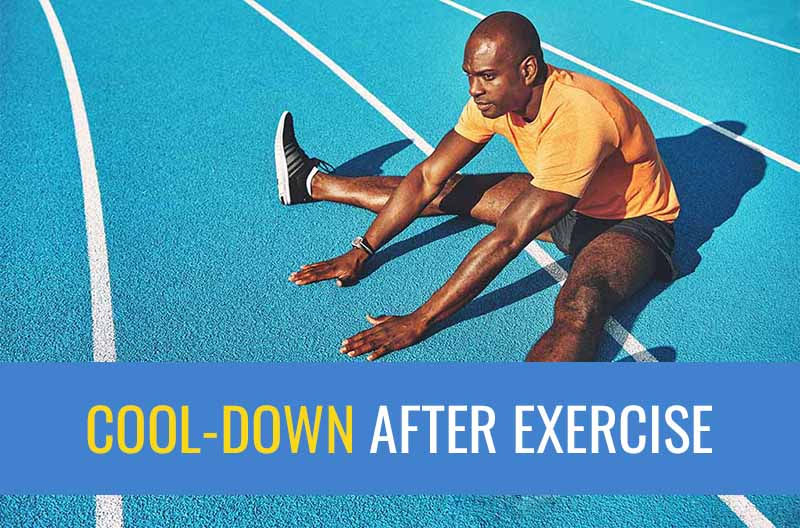
Proper timing and duration are crucial components of an effective cooling-down strategy. Knowing when to implement these techniques and for how long can significantly impact your recovery and overall athletic performance. This section will delve into the optimal timing, duration, and integration of cooling-down methods, providing practical tips to optimize your post-workout recovery.
Optimal Timing for Cooling Down After Workouts
The timing of your cooling-down routine is just as important as the methods you choose. The ideal time to initiate cooling down is immediately following the cessation of your primary workout activity. This proactive approach prevents a rapid drop in body temperature and blood pooling, allowing for a gradual return to a resting state. The specifics, however, depend on the type of workout performed.* Cardiovascular Workouts: Following activities like running, cycling, or swimming, the cooling-down phase should begin immediately.
This involves a gradual decrease in intensity. For example, after a run, you might walk for 5-10 minutes to allow your heart rate to slowly return to normal. After cycling, you’d pedal at a very low resistance and speed for a similar duration.
Strength Training
After weightlifting or resistance training, the cooling-down phase should also begin promptly. This typically involves performing lighter exercises targeting the same muscle groups. Examples include holding static stretches for 30 seconds each, or performing dynamic stretches like arm circles or leg swings.
High-Intensity Interval Training (HIIT)
HIIT workouts demand an immediate cooling-down phase. This could involve a period of active recovery, such as light jogging or brisk walking, followed by stretching. The goal is to bring the heart rate down gradually and reduce the build-up of metabolic waste products.
Team Sports
Cooling down after team sports like soccer or basketball often involves a combination of light jogging, walking, and static stretching. The duration of this phase may vary depending on the intensity and duration of the game, but the principle of a gradual transition remains the same.
Recommended Duration for Each Cooling Down Method
The duration of your cooling-down routine is influenced by the intensity and duration of your workout. There is no one-size-fits-all answer, but general guidelines can help you tailor your approach.* Active Recovery: Active recovery, such as walking or light jogging, should last for approximately 5-10 minutes following cardiovascular workouts. This allows the heart rate to decrease gradually. The intensity should be low enough that you can comfortably hold a conversation.
Stretching
Static stretching, holding a stretch for 30 seconds, is a common practice. This is performed after active recovery, targeting all major muscle groups used during the workout. Aim for at least 10-15 minutes of stretching.
Foam Rolling
Foam rolling, a form of self-myofascial release, can be integrated into the cooling-down phase. Focus on rolling each muscle group for 1-2 minutes, paying attention to any areas of tightness or soreness.
Cold Water Immersion (CWI)
CWI, such as a cold shower or ice bath, can be employed for 5-15 minutes. The duration depends on your tolerance and the water temperature. Start with shorter durations and gradually increase as your body adapts. It’s essential to monitor for signs of overcooling.
Integrating Cooling Down into a Workout Routine
Integrating cooling down effectively into your workout routine is a matter of planning and consistency. Here’s how to incorporate it seamlessly:
1. Plan Ahead
Dedicate time in your workout schedule for cooling down. This should be a non-negotiable part of your training plan, just like the warm-up.
2. Make it Accessible
Have your cooling-down equipment, such as a foam roller or stretching mat, readily available.
3. Prioritize
If time is limited, prioritize active recovery and stretching. These are fundamental to effective cooling down.
4. Listen to Your Body
Pay attention to how your body feels. Adjust the duration and intensity of your cooling-down routine based on your body’s needs and feedback. If you’re particularly sore, spend more time stretching or foam rolling.
5. Consistency is Key
The benefits of cooling down are cumulative. Make it a regular habit, and you’ll experience improved recovery and performance over time.
Signs of Overcooling and What to Do
Overcooling can be detrimental to recovery and can lead to various adverse effects. Recognizing the signs and knowing how to respond is crucial.* Shivering: This is a primary sign that your body is losing heat faster than it can produce it.
What to do
Immediately stop the cooling-down activity. Move to a warmer environment. Cover yourself with warm blankets and drink a warm beverage.
Pale Skin
A noticeable paleness can indicate reduced blood flow due to vasoconstriction.
What to do
Move to a warmer environment. Monitor for any other symptoms of overcooling.
Slurred Speech
This can be a sign of hypothermia, which is a dangerous condition.
What to do
Seek immediate medical attention.
Confusion or Drowsiness
These are signs of impaired brain function.
What to do
Seek immediate medical attention.
Loss of Coordination
This indicates a severe drop in body temperature.
What to do
Seek immediate medical attention.
Specific Considerations for Different Activities
Cooling down is not a one-size-fits-all approach. The ideal cool-down strategy varies significantly depending on the type of activity performed. Factors such as intensity, duration, and the muscle groups primarily engaged all influence the most effective cool-down methods. Understanding these nuances allows athletes and fitness enthusiasts to optimize their recovery and minimize the risk of injury.
Cooling Down After Endurance Activities
Endurance activities, such as running, cycling, and swimming, place a significant demand on the cardiovascular system and the muscles. The cool-down after these activities should prioritize gradual reduction in heart rate and the removal of metabolic waste products.
- Gradual Deceleration: Immediately following a run, transition into a brisk walk. Gradually decrease the walking pace until you are at a comfortable stroll. This helps to prevent blood pooling in the lower extremities, which can lead to dizziness or lightheadedness.
- Dynamic Stretching: Include dynamic stretches, which involve controlled movements through a range of motion. This could involve arm circles, leg swings, and torso twists. These movements enhance blood flow and prepare muscles for the static stretches that follow.
- Static Stretching: Hold static stretches for 20-30 seconds, focusing on the major muscle groups used during the activity. Examples include hamstring stretches, quadriceps stretches, and calf stretches.
- Hydration and Nutrition: Replenish fluids and electrolytes lost through sweat. Consume a balanced meal or snack containing carbohydrates and protein within an hour of finishing the activity to aid muscle recovery.
Cooling Down After Strength Training
Strength training, with its focus on muscle contractions and resistance, necessitates a different approach to cooling down. The primary goal is to reduce muscle soreness, improve flexibility, and promote muscle repair.
- Light Cardio: Begin with 5-10 minutes of light cardio, such as walking on a treadmill or cycling at a low intensity. This increases blood flow to the muscles and helps remove metabolic waste.
- Targeted Static Stretching: Focus on stretching the muscles that were worked during the strength training session. Hold each stretch for 20-30 seconds. For example, after a chest workout, stretch the pectoral muscles; after a leg workout, stretch the quadriceps, hamstrings, and calves.
- Foam Rolling: Use a foam roller to massage the muscles. This can help to release muscle tension, improve blood flow, and reduce delayed-onset muscle soreness (DOMS).
- Proper Nutrition: Consume a protein-rich meal or snack to provide the building blocks for muscle repair and growth. Ensure adequate hydration.
Cooling Down After Team Sports
Team sports involve a combination of endurance, strength, and agility, requiring a comprehensive cool-down strategy. The cool-down should address the diverse physical demands of the sport and consider the specific needs of each player.
- Active Recovery: Begin with 5-10 minutes of low-intensity activity, such as jogging, cycling, or swimming, to help the body transition from high-intensity exercise.
- Dynamic and Static Stretching: Perform dynamic stretches to improve flexibility and prepare muscles for static stretching. Hold static stretches for 20-30 seconds, focusing on the major muscle groups used during the sport. For example, in soccer, stretch the hamstrings, quadriceps, hip flexors, and calves.
- Cool-Down Drills: Include sport-specific drills at a lower intensity. For example, a basketball player might practice shooting free throws or a football player might practice light passing drills.
- Hydration and Replenishment: Rehydrate with fluids and electrolytes to replace those lost through sweat. Consume a balanced meal or snack containing carbohydrates and protein to aid muscle recovery.
- Individual Considerations: Consider the individual needs of each player, such as any injuries or pre-existing conditions. Adjust the cool-down accordingly.
Visual Representation: Cooling Down Process for Various Sports
A visual representation can effectively illustrate the cooling down process for different sports. This could be a diagram or infographic that shows the muscle groups involved and the recommended cool-down activities.
Diagram Description:
The diagram would be structured as a table, with each row representing a different sport (e.g., running, weightlifting, soccer). The columns would represent different aspects of the cool-down process: “Activity,” “Muscle Groups Targeted,” “Recommended Stretches,” and “Other Considerations.”
Example Table Structure:
| Sport | Activity | Muscle Groups Targeted | Recommended Stretches | Other Considerations |
|---|---|---|---|---|
| Running | Brisk Walk, Dynamic Stretching | Hamstrings, Quadriceps, Calves, Hip Flexors | Hamstring stretch, Quadriceps stretch, Calf stretch, Hip flexor stretch | Hydration, Nutrition (Carbs and Protein) |
| Weightlifting | Light Cardio, Foam Rolling | Targeted Muscle Groups (e.g., Chest, Back, Legs) | Pectoral stretch, Lat stretch, Quadriceps, Hamstring, Calf | Protein Intake |
| Soccer | Jogging, Light Passing Drills | Hamstrings, Quadriceps, Calves, Hip Flexors, Core | Hamstring stretch, Quadriceps stretch, Calf stretch, Hip flexor stretch, Core stretches | Hydration, Electrolyte Replenishment, Individual Needs |
Visual Elements:
Each cell in the table would contain clear and concise information. For example, in the “Recommended Stretches” column, there could be small illustrations or images depicting the correct form for each stretch. The “Muscle Groups Targeted” column could use color-coding to highlight the relevant muscles on an anatomical diagram. The “Other Considerations” column could include icons representing hydration and nutrition.
Benefits of the Visual Representation:
This visual representation would provide a quick and easy-to-understand guide to cooling down for different sports. It would help athletes and fitness enthusiasts to visualize the process and make informed decisions about their cool-down routines. The use of clear visuals and concise information would make the information accessible and memorable.
Conclusion

In conclusion, mastering the art of cooling down is essential for anyone serious about fitness and well-being. By incorporating the techniques and insights discussed in this guide, you can significantly enhance your recovery process, reduce muscle soreness, and prevent injuries. Remember, taking the time to cool down is an investment in your long-term health and athletic performance. Embrace these practices and watch your body thrive!