Embarking on a marathon is a monumental achievement, and the key to crossing that finish line strong lies in proper preparation. But what if we told you that what you eat in the days leading up to the race is just as crucial as the miles you log during training? This guide, “How to Carbo-Load for a Marathon the Right Way,” unveils the secrets to optimizing your energy stores and maximizing your performance on race day.
We’ll dive into the science behind carbo-loading, transforming you from a runner into a well-fueled machine.
This journey will explore the principles of carbo-loading, from understanding its physiological effects to crafting personalized meal plans. We’ll cover everything from selecting the best carbohydrate sources and planning your pre-race meals to avoiding common pitfalls and adjusting your strategy based on your individual needs. Prepare to learn how to calculate your carbohydrate requirements, create a carbo-loading timeline, and choose the right foods to ensure you have the energy to conquer those 26.2 miles.
Understanding Carbo-Loading Basics
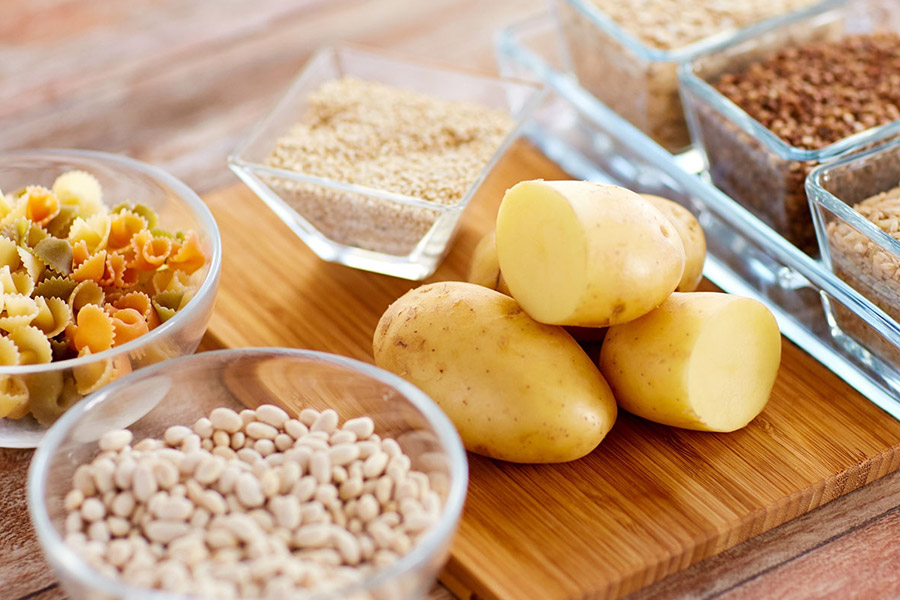
Carbo-loading is a dietary strategy employed by endurance athletes, most notably marathon runners, to maximize their muscle glycogen stores. This process involves significantly increasing carbohydrate intake in the days leading up to a race, ensuring the body has ample fuel to sustain performance. This section will delve into the fundamental principles, history, and physiological mechanisms of carbo-loading.
Purpose of Carbo-Loading for Marathon Runners
The primary goal of carbo-loading is to increase the amount of glycogen stored in the muscles and liver. Glycogen is the body’s primary source of energy during endurance activities like marathons. By maximizing glycogen stores, runners can delay fatigue and maintain a higher pace for a longer duration. Adequate glycogen reserves are crucial for preventing the dreaded “bonk” or “hitting the wall,” where the body runs out of fuel and performance drastically declines.
History of Carbo-Loading
Carbo-loading has evolved significantly over time. Early approaches were often more extreme and involved a period of carbohydrate depletion followed by a surge in intake. This method, while effective in increasing glycogen stores, could also lead to feelings of fatigue and irritability during the depletion phase.The original carbo-loading protocol, developed in the 1960s, involved a glycogen-depletion phase followed by a high-carbohydrate diet.
This two-step approach aimed to supercompensate glycogen stores. However, this method was often associated with side effects like fatigue and irritability.Over time, the protocol has been refined to a more moderate approach. The modern approach typically involves a gradual increase in carbohydrate intake in the days leading up to the race, without a preceding depletion phase. This approach minimizes the negative side effects and is equally effective.
Physiological Mechanisms of Carbohydrate Intake and Muscle Glycogen
The body converts carbohydrates into glucose, which is then used for energy or stored as glycogen. Glycogen is stored in the muscles and liver. During exercise, the muscles break down glycogen into glucose to fuel muscle contractions. The amount of glycogen stored in the muscles directly impacts endurance performance.Here’s how the process works:
- Carbohydrate Consumption: When you eat carbohydrates, they are broken down into glucose.
- Glucose Absorption: Glucose enters the bloodstream, increasing blood sugar levels.
- Insulin Release: The pancreas releases insulin, a hormone that helps glucose enter muscle cells.
- Glycogen Synthesis: Inside the muscle cells, glucose is converted into glycogen through a process called glycogenesis.
- Glycogen Storage: Glycogen is stored in the muscles and liver, ready to be used as energy.
The capacity of muscles to store glycogen is finite. Carbo-loading aims to saturate these storage sites to provide a larger fuel reserve for the marathon. The amount of glycogen stored can vary depending on factors such as training intensity, diet, and individual physiology.
A well-carbo-loaded athlete might store 2-3 times more glycogen than an athlete who is not carbo-loading.
This increased glycogen storage translates to a significant performance advantage, allowing runners to sustain a higher intensity for a longer duration.
Determining Individual Carbo-Loading Needs
Knowing how to carbo-load effectively requires understanding that it’s not a one-size-fits-all approach. Every runner has unique needs, influenced by various factors. This section focuses on personalizing your carbo-loading strategy to optimize your performance on race day. We’ll explore the key determinants and provide tools to help you calculate your individual carbohydrate requirements.
Factors Influencing Carbohydrate Consumption
Several factors significantly impact the amount of carbohydrates a marathon runner needs. These elements work together to shape your optimal carbo-loading strategy.
- Body Weight: Heavier runners generally require more carbohydrates to fuel their bodies. A larger body mass means a higher energy expenditure during training and racing.
- Training Intensity: The intensity of your training directly influences your carbohydrate needs. Harder, longer workouts deplete glycogen stores more rapidly, necessitating increased carbohydrate intake.
- Training Volume: Runners who log more miles each week need more carbohydrates to replenish glycogen stores and support recovery. Higher mileage demands greater energy expenditure.
- Metabolic Efficiency: Individual metabolic rates vary. Some runners burn through carbohydrates faster than others, impacting their carbohydrate requirements.
- Race Goals: Your target race pace and anticipated finishing time influence your carbohydrate needs. Faster race goals demand greater carbohydrate availability.
- Gender: Research suggests that women may metabolize carbohydrates differently than men, potentially influencing their carbohydrate needs.
- Environmental Conditions: Running in hot and humid conditions increases energy expenditure, potentially requiring more carbohydrates.
Calculating Individual Carbohydrate Needs
Determining your individual carbohydrate needs involves considering the factors above and using a structured approach. A common method is to calculate carbohydrate intake based on body weight and training intensity. This provides a starting point, which you can then refine through experimentation and monitoring.
General Guidelines:
- Rest Days/Easy Training: 2-3 grams of carbohydrates per pound of body weight.
- Moderate Training: 3-4 grams of carbohydrates per pound of body weight.
- High-Intensity Training: 4-5 grams of carbohydrates per pound of body weight.
- Carbo-Loading Phase (2-3 days before race): 5-6 grams of carbohydrates per pound of body weight.
For example, a 150-pound runner with a moderate training schedule might need 450-600 grams of carbohydrates daily. This calculation serves as a foundation. You should adjust the amount based on how your body responds to the intake and how you feel during your training runs. Pay attention to your energy levels, recovery, and performance.
Estimating Daily Carbohydrate Requirements: Questionnaire
This questionnaire helps estimate your daily carbohydrate needs. Answer honestly to get the most accurate results.
| Question | Answer Options | Points |
|---|---|---|
| What is your current body weight? |
|
|
| How many days per week do you run? |
|
|
| What is the average duration of your runs? |
|
|
| What is the typical intensity of your runs? |
|
|
To calculate your estimated daily carbohydrate needs:
- Total your points from the questionnaire.
- Multiply your body weight (in pounds) by the following:
- 5-7 points: 2-3 grams of carbohydrates per pound.
- 8-11 points: 3-4 grams of carbohydrates per pound.
- 12-16 points: 4-5 grams of carbohydrates per pound.
This questionnaire is a starting point. Monitor your energy levels, training performance, and recovery to fine-tune your carbohydrate intake. Consulting with a registered dietitian or sports nutritionist can provide personalized guidance.
The Carbo-Loading Timeline and Schedule

Carbo-loading, while beneficial, requires careful planning. A well-structured schedule ensures your glycogen stores are maximized without causing digestive distress on race day. This section details a typical carbo-loading plan, providing meal examples and adjustments for various scenarios.
A Typical Carbo-Loading Schedule
A standard carbo-loading protocol typically spans the 3-7 days leading up to your marathon. The duration depends on individual tolerance and preference. The goal is to gradually increase carbohydrate intake while tapering training.
- Days 4-7 Before the Marathon (Tapering Phase): Begin reducing your training volume significantly. This is the time to slowly increase your carbohydrate intake, around 55-65% of your total daily calories.
- Days 3-4 Before the Marathon (Carbo-Loading Peak): Significantly increase your carbohydrate intake, aiming for 70-80% of your daily calories. Reduce fiber intake to minimize digestive issues.
- Day Before the Marathon: Maintain high carbohydrate intake. Focus on easily digestible foods.
- Race Day: Consume a carbohydrate-rich breakfast 2-3 hours before the race. Continue to take in carbohydrates during the race, as needed, using gels, chews, or sports drinks.
Meal Plan Examples for Each Day
Here are some sample meal plans to guide your carbo-loading. Remember to adjust portion sizes based on your individual caloric needs. These are examples and can be adapted based on your dietary preferences and available foods.
- Days 4-7 Before the Marathon (Tapering Phase) Example:
- Breakfast: Oatmeal (1 cup cooked) with berries (1/2 cup) and a drizzle of honey.
- Mid-Morning Snack: Banana (1 medium) and a handful of almonds.
- Lunch: Large salad with grilled chicken (4oz), mixed greens, and a sweet potato (1 medium).
- Afternoon Snack: Rice cakes (2) with peanut butter (2 tablespoons).
- Dinner: Pasta (1.5 cups cooked) with marinara sauce and lean ground turkey (4oz).
- Days 3-4 Before the Marathon (Carbo-Loading Peak) Example:
- Breakfast: Pancakes (3 medium) with maple syrup and a small serving of fruit.
- Mid-Morning Snack: Sports drink and a bagel with jelly.
- Lunch: Large portion of pasta (2 cups cooked) with a light sauce.
- Afternoon Snack: Rice crispy treats (2).
- Dinner: Pizza (2-3 slices) with minimal cheese and vegetables.
- Day Before the Marathon Example:
- Breakfast: Toast (3 slices) with jam and a glass of juice.
- Mid-Morning Snack: Sports drink.
- Lunch: White rice (2 cups cooked) with a light sauce.
- Afternoon Snack: Pretzels.
- Dinner: Plain pasta (2 cups cooked) with a light sauce.
Adjusting the Carbo-Loading Schedule
The carbo-loading schedule can be adapted based on race day timing and travel considerations. Flexibility is key to success.
- Race Day Timing Adjustments:
- Early Morning Races: If your race starts early, begin carbo-loading a day earlier to ensure adequate glycogen stores. Have a substantial carbohydrate-rich dinner the night before.
- Afternoon Races: You can potentially shift the carbo-loading phase later in the week. Focus on easily digestible carbohydrates the day before and on race day morning.
- Travel Considerations:
- Travel to the Race: Pack carbohydrate-rich snacks for the journey. Consider bringing your own familiar foods to avoid dietary surprises.
- Restaurant Meals: When eating out, choose pasta, rice, or potatoes as your primary side dishes. Ask for sauces on the side to control fat intake.
- Individual Adjustments:
- Digestive Issues: If you experience digestive issues, experiment with different carbohydrate sources during training. Reduce fiber intake and avoid high-fat foods.
- Weight Management: Monitor your weight during carbo-loading. If you gain excessive weight, slightly reduce your carbohydrate intake and increase your activity level.
Choosing the Right Carbohydrate Sources

Choosing the right carbohydrate sources is crucial for effective carbo-loading. This phase focuses on maximizing glycogen stores in your muscles, and the type of carbohydrates you consume significantly impacts the efficiency of this process. Understanding the glycemic index (GI) and the differences between various carbohydrate types will help you make informed food choices.
Glycemic Index and Carbohydrate Sources
The Glycemic Index (GI) measures how quickly a food raises blood sugar levels. Foods with a high GI are digested and absorbed rapidly, while those with a low GI are digested and absorbed more slowly. During carbo-loading, a strategic approach to GI is beneficial.
- Low GI Foods (GI of 55 or less): These foods are digested slowly, providing a sustained release of energy. They are generally favored during the early stages of carbo-loading.
- Examples:
- Oats (rolled or steel-cut)
- Most fruits (apples, oranges, berries)
- Legumes (lentils, chickpeas, beans)
- Pasta (whole wheat or durum wheat)
- Sweet potatoes
- Medium GI Foods (GI of 56-69): These foods provide a moderate release of energy. They can be incorporated during the carbo-loading phase, especially in moderation.
- Examples:
- Brown rice
- Whole wheat bread
- Bananas
- Raisins
- High GI Foods (GI of 70 or higher): These foods are digested and absorbed quickly, leading to a rapid increase in blood sugar. They can be strategically used in the final days before the marathon to top off glycogen stores quickly. However, overuse can lead to energy crashes.
- Examples:
- White rice
- White bread
- Sports drinks
- Potatoes (baked or mashed)
- Bagels
Complex vs. Simple Carbohydrates
Understanding the difference between complex and simple carbohydrates is essential for optimizing your carbo-loading strategy.
- Complex Carbohydrates: These carbohydrates contain longer chains of sugar molecules, taking longer to digest and providing a more sustained release of energy. They are often rich in fiber, vitamins, and minerals.
- Examples:
- Whole grains (brown rice, quinoa, oats)
- Legumes (beans, lentils)
- Vegetables (broccoli, spinach, sweet potatoes)
- Simple Carbohydrates: These carbohydrates contain fewer sugar molecules and are digested and absorbed more quickly, leading to a rapid spike in blood sugar. They can be useful for quickly replenishing glycogen stores, but excessive consumption can lead to energy crashes.
- Examples:
- Fruits
- Sugary drinks (soda, juice)
- Processed foods (candy, pastries)
Foods to Prioritize and Foods to Avoid
During carbo-loading, making smart food choices is key to success. Prioritizing certain foods and avoiding others will maximize glycogen storage and optimize your performance on race day.
- Foods to Prioritize: Focus on nutrient-dense, complex carbohydrates to fuel your body effectively.
- Whole grains (brown rice, quinoa, oats): Excellent sources of complex carbohydrates, fiber, and essential nutrients.
- Fruits (apples, bananas, berries): Provide natural sugars for energy and are rich in vitamins and antioxidants.
- Vegetables (sweet potatoes, broccoli, spinach): Offer complex carbohydrates, fiber, and vital nutrients.
- Legumes (lentils, beans, chickpeas): Provide complex carbohydrates and protein, aiding in sustained energy release.
- Pasta (whole wheat or durum wheat): A good source of complex carbohydrates and can be a convenient option.
- Foods to Avoid: Minimize or avoid foods that can hinder the carbo-loading process.
- Processed foods (candy, pastries, sugary snacks): These foods are often high in simple sugars and provide minimal nutritional value.
- Sugary drinks (soda, juice): Contribute to rapid blood sugar spikes and crashes.
- High-fat foods (fried foods, excessive amounts of oils): Can slow down digestion and hinder carbohydrate absorption.
- Excessive fiber (during the final days): While fiber is generally beneficial, excessive intake close to the race can cause digestive issues.
Meal Planning and Recipe Ideas
Planning your meals and having delicious, carb-rich recipes ready is crucial for a successful carbo-loading phase. This section provides a sample meal plan, alongside three adaptable recipes, ensuring you have the fuel you need to conquer your marathon. Remember to adjust portion sizes based on your individual needs, as determined in the previous sections.
Sample Meal Plan
Here is a sample meal plan designed to provide a high carbohydrate intake over the carbo-loading period. It is a general guideline, and you should adjust it based on your specific caloric needs and preferences.
- Breakfast (7:00 AM – 8:00 AM): Oatmeal with banana and berries, a glass of orange juice, and a slice of whole-wheat toast with jam.
- Mid-Morning Snack (10:00 AM – 11:00 AM): A sports drink and a handful of pretzels or a rice cake with honey.
- Lunch (12:00 PM – 1:00 PM): Large pasta salad with grilled chicken (if desired), vegetables, and a light vinaigrette dressing. Another option could be a large baked potato with steamed broccoli and a side of lean protein.
- Afternoon Snack (3:00 PM – 4:00 PM): A bagel with peanut butter and a banana, or a smoothie made with fruit, yogurt, and carbohydrate powder.
- Dinner (6:00 PM – 7:00 PM): Rice and lentil stew with vegetables and a side of whole-wheat bread. Consider a pizza with a whole-wheat crust, lots of vegetables, and a small amount of cheese.
- Evening Snack (8:00 PM – 9:00 PM): A bowl of cereal with milk and fruit, or a serving of rice pudding.
High-Carbohydrate Recipes
These recipes are designed to be high in carbohydrates and easily adaptable to different dietary needs. Adjust ingredients and portion sizes to meet your individual requirements.
Recipe 1: Overnight Oats Power Bowl
Overnight oats are a simple and convenient way to start your day with a carbohydrate-rich meal. This recipe is designed to be customizable and provide sustained energy.
- Ingredients:
- 1/2 cup rolled oats
- 1 cup milk (dairy or non-dairy, such as almond, soy, or oat milk)
- 1/4 cup Greek yogurt (optional, for added protein)
- 1 tablespoon chia seeds (optional, for added fiber and healthy fats)
- 1/2 banana, sliced
- 1/4 cup berries (strawberries, blueberries, raspberries)
- 1 tablespoon honey or maple syrup (optional, for added sweetness)
- A sprinkle of nuts or seeds (optional)
- Instructions:
- Combine oats, milk, yogurt (if using), and chia seeds (if using) in a jar or container.
- Stir well to combine.
- Add banana slices and berries on top.
- Refrigerate overnight (or for at least 2 hours).
- Before eating, add honey or maple syrup, and sprinkle with nuts or seeds, if desired.
- Adaptations:
- Vegan: Use plant-based milk and omit the Greek yogurt.
- Nut-Free: Omit nuts and seeds.
- Gluten-Free: Ensure your oats are certified gluten-free.
Recipe 2: Pasta Primavera with Garlic and Olive Oil
Pasta is a staple carbohydrate source for runners. This recipe focuses on simple flavors and a variety of vegetables to provide essential nutrients.
- Ingredients:
- 1 pound pasta (whole wheat or regular)
- 2 tablespoons olive oil
- 4 cloves garlic, minced
- 1 cup broccoli florets
- 1 cup sliced bell peppers (various colors)
- 1 cup sliced zucchini
- 1/2 cup chopped tomatoes
- Salt and pepper to taste
- Fresh basil, chopped (for garnish)
- Instructions:
- Cook pasta according to package directions. Drain and set aside.
- Heat olive oil in a large skillet over medium heat.
- Add garlic and cook for about 30 seconds, until fragrant.
- Add broccoli, bell peppers, and zucchini. Cook, stirring occasionally, until vegetables are tender-crisp (about 5-7 minutes).
- Stir in tomatoes and cook for another 2 minutes.
- Season with salt and pepper.
- Add cooked pasta to the skillet and toss to combine.
- Garnish with fresh basil.
- Adaptations:
- Gluten-Free: Use gluten-free pasta.
- Vegan: This recipe is already vegan.
- Add Protein: Include grilled chicken or chickpeas.
Recipe 3: Rice Pudding with Fruit Compote
Rice pudding offers a comforting and easily digestible carbohydrate source. This recipe includes a homemade fruit compote for added flavor and nutrients.
- Ingredients:
- 1 cup cooked rice (white or brown)
- 2 cups milk (dairy or non-dairy)
- 1/4 cup sugar or honey
- 1 teaspoon vanilla extract
- Pinch of salt
- For the Fruit Compote: 1 cup mixed berries (fresh or frozen), 1 tablespoon sugar or honey, 1 tablespoon water
- Instructions:
- Make the Fruit Compote: In a small saucepan, combine berries, sugar or honey, and water. Cook over medium heat, stirring occasionally, until berries soften and release their juices (about 5-7 minutes). Set aside.
- In a medium saucepan, combine cooked rice, milk, sugar or honey, vanilla extract, and salt.
- Bring to a simmer over medium heat, stirring frequently to prevent sticking.
- Reduce heat and cook for about 15-20 minutes, or until the rice is creamy and the pudding has thickened. Stir frequently.
- Serve warm, topped with the fruit compote.
- Adaptations:
- Dairy-Free: Use plant-based milk.
- Reduce Sugar: Adjust the amount of sugar or honey to your preference. Consider using a sugar substitute.
- Add Spices: Add a pinch of cinnamon or nutmeg for extra flavor.
Hydration and Electrolyte Balance
Proper hydration and electrolyte balance are critical components of a successful carbo-loading strategy. They significantly impact glycogen storage and overall performance during the marathon. Neglecting these aspects can lead to dehydration, muscle cramps, and reduced endurance, potentially derailing all your hard work. This section will delve into the intricacies of staying properly hydrated and maintaining electrolyte balance during the carbo-loading phase.
Importance of Hydration and its Effect on Glycogen Storage
Hydration is not merely about drinking water; it’s a physiological necessity, especially during carbo-loading. Water plays a crucial role in glycogen storage.The following points detail the significance of hydration:
- Glycogen Storage and Water: For every gram of glycogen stored in the muscles, approximately 3 grams of water are also stored. This is why you may experience a slight weight gain during carbo-loading; it’s the water binding to the glycogen. This bound water is essential for efficient muscle function.
- Cellular Function: Water facilitates all cellular processes, including nutrient transport and waste removal. Adequate hydration ensures that glucose can be effectively transported to the muscles for glycogen synthesis.
- Performance Enhancement: Proper hydration helps maintain blood volume, which is crucial for delivering oxygen to working muscles. Dehydration, even at low levels, can impair performance by increasing perceived exertion and reducing endurance.
- Thermoregulation: During exercise, the body generates heat. Water, through sweating, is the primary mechanism for cooling the body. Dehydration reduces the body’s ability to regulate temperature, increasing the risk of heatstroke.
Role of Electrolytes and Strategies for Maintaining Electrolyte Balance
Electrolytes, such as sodium, potassium, chloride, magnesium, and calcium, are essential minerals that carry an electrical charge and are critical for various bodily functions. They are particularly important during carbo-loading and marathon running.Here’s a discussion about electrolytes:
- Electrolyte Function: Electrolytes regulate fluid balance, nerve impulses, and muscle contractions. They are lost through sweat, especially during prolonged exercise.
- Sodium and Hydration: Sodium plays a crucial role in fluid retention. It helps the body absorb and retain water. During carbo-loading, when you’re consuming more carbohydrates, you also need to ensure you’re consuming adequate sodium to help the body hold onto the extra water.
- Potassium and Muscle Function: Potassium is vital for muscle contractions. Low potassium levels can lead to muscle cramps and weakness.
- Strategies for Maintaining Balance:
- Consume Electrolyte-Rich Foods: Incorporate foods like bananas (potassium), spinach (magnesium), and salty snacks (sodium) into your diet.
- Use Electrolyte Supplements: Consider using electrolyte tablets or sports drinks, especially during and after longer workouts. Look for products that contain a balance of electrolytes.
- Monitor Urine Color: Dark urine is a sign of dehydration. Aim for pale yellow urine to indicate proper hydration.
- Adjust Intake Based on Sweat Rate: Individuals who sweat heavily will need to consume more electrolytes than those who sweat less.
Creating a Hydration Plan for the Carbo-Loading Phase
Developing a detailed hydration plan is essential for maximizing the benefits of carbo-loading and ensuring peak performance on race day. This plan should be personalized based on individual needs and environmental conditions.Here is a guide for creating a hydration plan:
- Baseline Hydration: Start the carbo-loading phase already well-hydrated. Drink plenty of water throughout the day, even before you start the carbo-loading protocol. Aim to drink water consistently throughout the day, not just when you feel thirsty.
- Pre-Workout Hydration:
- Consume 500-750 ml of water 2-3 hours before exercise.
- Drink another 250-350 ml of water 15-30 minutes before exercise.
- Consider adding electrolytes to your pre-workout drink, especially if it’s a longer or more intense session.
- During Workout Hydration:
- Drink water or a sports drink (containing electrolytes) at regular intervals during your workouts.
- The amount you need will depend on your sweat rate, the intensity of your exercise, and the environmental conditions.
- A general guideline is to consume 150-250 ml every 15-20 minutes, but this should be adjusted based on individual needs.
- Post-Workout Hydration:
- Replace fluids lost during exercise.
- Weigh yourself before and after workouts to estimate fluid loss. For every pound (0.45 kg) lost, drink 500-750 ml of fluid.
- Consume electrolyte-rich foods or drinks to replenish electrolytes lost through sweat.
- Daily Hydration Targets:
- Aim to drink at least 2-3 liters of water per day during the carbo-loading phase, even on rest days.
- Increase your fluid intake on days with longer or more intense workouts.
- Listen to your body’s signals of thirst.
- Example Hydration Schedule:
- Morning: 500 ml water upon waking, followed by water with breakfast.
- Mid-Morning: 250-350 ml water.
- Pre-Workout (if applicable): 500-750 ml water 2-3 hours before, 250-350 ml 15-30 minutes before, and electrolytes.
- During Workout (if applicable): 150-250 ml water or sports drink every 15-20 minutes.
- Post-Workout (if applicable): Replace fluid loss based on weight, with electrolytes.
- Afternoon: 250-350 ml water every 1-2 hours.
- Evening: 250-350 ml water with dinner and before bed.
Avoiding Common Carbo-Loading Mistakes
Carbo-loading is a crucial strategy for marathon runners, but it’s easy to stumble along the way. Avoiding common pitfalls can significantly improve your race-day performance and prevent unnecessary discomfort. This section identifies typical errors, explores their consequences, and offers practical solutions to ensure your carbo-loading phase is a success.
Overeating or Undereating Carbohydrates
Striking the right balance in carbohydrate intake is paramount for effective carbo-loading. Both overconsumption and underconsumption can derail your race-day performance.Overeating carbohydrates can lead to:
- Weight Gain: Excess carbohydrates are stored as glycogen, but any surplus gets converted into fat. This extra weight can hinder your running efficiency.
- Digestive Distress: Consuming excessive amounts of carbohydrates, especially those high in fiber, can cause bloating, gas, and diarrhea.
- Feeling Sluggish: An overabundance of carbohydrates, combined with insufficient protein and fats, can make you feel heavy and lethargic.
Undereating carbohydrates can lead to:
- Glycogen Depletion: Insufficient carbohydrate intake won’t fully saturate your muscles with glycogen, leaving you with less energy for the marathon.
- Early Fatigue: With inadequate glycogen stores, you’ll likely “hit the wall” earlier in the race, experiencing severe fatigue and a significant performance drop.
- Muscle Breakdown: Your body might start breaking down muscle tissue for energy if it doesn’t have enough carbohydrates, impairing your performance.
To avoid these issues, carefully calculate your carbohydrate needs based on your body weight, training intensity, and individual metabolism. Use the guidelines Artikeld in the “Determining Individual Carbo-Loading Needs” section to personalize your intake.
Neglecting Fiber Content and Digestive Issues
While carbohydrates are essential, the type of carbohydrates you consume matters. High-fiber foods, although beneficial in everyday diets, can cause problems during carbo-loading.Focus on consuming easily digestible carbohydrates:
- Choose refined grains: Opt for white bread, white rice, and pasta, especially in the days leading up to the race. These have lower fiber content and are easier to digest.
- Limit high-fiber fruits and vegetables: While fruits and vegetables are important, consume them in moderation. Avoid excessive amounts of cruciferous vegetables (broccoli, cauliflower), beans, and high-fiber fruits like apples with the skin on, during the loading phase.
- Experiment beforehand: Try different carbohydrate sources during your training runs to see how your body reacts. This will help you identify foods that cause digestive distress.
- Consider low-FODMAP options: If you’re prone to digestive issues, consult a registered dietitian or a sports nutritionist to explore low-FODMAP food options, which are generally easier to digest.
Inadequate Hydration and Electrolyte Balance
Hydration and electrolyte balance are inextricably linked to effective carbo-loading. Failing to address these aspects can undermine your efforts.Proper hydration is essential:
- Drink consistently: Drink water throughout the day, not just when you feel thirsty.
- Monitor urine color: Aim for pale yellow urine, which indicates adequate hydration. Dark urine suggests dehydration.
- Include electrolytes: Electrolytes (sodium, potassium, magnesium, and calcium) are lost through sweat. Replenish them with sports drinks, electrolyte tablets, or salty snacks.
Electrolyte imbalance can lead to:
- Hyponatremia: Low sodium levels, often caused by over-hydration without adequate electrolyte intake, can cause serious health problems.
- Muscle cramps: Electrolyte imbalances can contribute to muscle cramps, which can be debilitating during a marathon.
Consider using a hydration strategy:
- Pre-race hydration: Drink a sports drink containing electrolytes in the days leading up to the race.
- Race-day hydration: Follow your race-day hydration plan, consuming water and electrolytes at regular intervals.
Ignoring Protein and Fat Intake
While carbohydrates are the primary focus of carbo-loading, protein and fat play crucial roles in your overall nutrition and should not be neglected entirely.Maintaining a balanced intake:
- Protein for muscle repair: Include adequate protein to support muscle repair and recovery.
- Healthy fats for energy: Include moderate amounts of healthy fats, such as those found in avocados and nuts, to provide a sustained energy source and support overall health.
Avoid extremes:
- Excessive protein: Avoid excessive protein intake, as it can displace carbohydrates and hinder glycogen storage.
- Eliminating fats: Do not completely eliminate fats, as they are important for overall health and can help regulate carbohydrate absorption.
Starting Carbo-Loading Too Late
Beginning the carbo-loading process too close to the race is a common mistake. This doesn’t allow enough time to fully saturate your muscles with glycogen.The recommended timeline:
- Carbo-loading phase: Begin the carbo-loading phase 3-7 days before the marathon. The exact duration depends on your individual needs and the length of the race.
- Gradual increase: Gradually increase your carbohydrate intake while reducing your training volume.
Examples:
- Example 1: If your marathon is on a Sunday, start carbo-loading the preceding Monday or Tuesday.
- Example 2: For a shorter race, you might start carbo-loading three days before.
Not Adjusting for Training Taper
As you reduce your training volume in the days leading up to the marathon (the “taper”), your energy needs decrease. Failing to adjust your carbohydrate intake to match your reduced activity level can lead to weight gain.The importance of adjustment:
- Reduce training volume: Reduce your training mileage and intensity in the week before the race.
- Maintain high carbohydrate intake: Continue to consume a high percentage of your calories from carbohydrates, but adjust the overall amount to match your lower energy expenditure.
This helps maximize glycogen stores without causing excess weight gain.
Ignoring Individual Needs and Preferences
Carbo-loading is not a one-size-fits-all approach. What works for one runner might not work for another.Personalizing your plan:
- Listen to your body: Pay attention to how different foods and strategies affect your energy levels, digestion, and overall well-being.
- Experiment during training: Practice your carbo-loading strategy during long training runs and tune-up races to identify what works best for you.
- Consult a professional: Consider working with a registered dietitian or sports nutritionist to create a personalized carbo-loading plan that meets your specific needs and preferences.
Pre-Race Nutrition and Race Day Strategies

Optimizing your nutrition in the final days leading up to the marathon and on race day itself is crucial for maximizing your energy and performance. This section will cover pre-race meal and snack ideas, provide a detailed guide to race day fueling, and offer a sample race day strategy to help you conquer those 26.2 miles.
Pre-Race Meal and Snack Ideas
The meals and snacks you consume in the hours leading up to the race are vital for topping off your glycogen stores and ensuring you have the energy to start strong. Focus on easily digestible carbohydrates, moderate protein, and minimal fat and fiber.
- Breakfast (2-3 hours before the race): Aim for a breakfast that is familiar to your stomach and contains easily digestible carbohydrates.
- Example: Oatmeal with a banana and a small amount of nut butter. The oatmeal provides complex carbohydrates for sustained energy, the banana offers easily accessible sugars, and the nut butter adds a bit of protein and healthy fats.
- Example: Toast with jam and a scrambled egg. The toast provides carbohydrates, the jam offers quick energy, and the egg offers protein.
- Pre-Race Snack (30-60 minutes before the race): This snack should be a quick source of energy to top off your glycogen stores and prevent hunger.
- Example: A gel pack or a small energy bar. These are designed for quick carbohydrate delivery.
- Example: A few dates or a small handful of dried fruit. These are easily digestible and provide a concentrated source of carbohydrates.
Race Day Fueling: Foods and Drinks
During the marathon, your body will need a steady supply of carbohydrates to maintain energy levels. It is essential to practice your race day fueling strategy during your training runs.
- Carbohydrate Sources: The primary fuel source during the race should be easily digestible carbohydrates.
- Energy Gels: These are highly concentrated sources of carbohydrates that are quickly absorbed. They often contain electrolytes for hydration and sodium replenishment.
- Energy Chews/Blocks: Similar to gels, these provide a measured dose of carbohydrates and are easier to consume for some runners.
- Sports Drinks: These provide carbohydrates, electrolytes, and fluid for hydration and to replenish sodium lost through sweat.
- Real Food Options: Some runners prefer real food options, like small pieces of banana, pretzels, or even small sandwiches (though these may take longer to digest). Practice is essential to see what works best for you.
- Hydration and Electrolytes: Staying hydrated and replenishing electrolytes is critical to prevent dehydration and muscle cramps.
- Water: Drink water regularly throughout the race, especially at aid stations.
- Sports Drinks: These provide both fluid and electrolytes, including sodium, potassium, and magnesium.
- Electrolyte Tablets/Capsules: If you’re using water, these can supplement your electrolyte intake.
Sample Race Day Fueling Strategy
This is a sample strategy; your specific needs may vary based on your race pace, weather conditions, and personal preferences. Always practice your race day fueling strategy during your training runs.
- Pre-Race (2-3 hours before):
- Eat a carbohydrate-rich breakfast (e.g., oatmeal with banana).
- Pre-Race (30-60 minutes before):
- Consume one energy gel or a small energy bar.
- Drink 8-12 ounces of water or sports drink.
- During the Race:
- Every 45-60 minutes: Consume one energy gel or equivalent (e.g., 2-3 energy chews).
- Every 15-20 minutes: Drink 4-8 ounces of sports drink or water, alternating between the two as needed. Consider electrolyte tablets if using water.
- At aid stations: Take advantage of available food and drink options (e.g., water, sports drinks, fruit).
- Example: If you are aiming for a 4-hour marathon, this strategy might involve consuming a gel at miles 6, 12, 18, and 24, with regular sips of sports drink throughout.
Important Note: Listen to your body and adjust your fueling strategy as needed. If you feel your energy levels dropping, consume a gel or energy chew. If you’re feeling thirsty, drink more fluids. Practice and adaptation are key.
Visual Aids and Supporting Information
Visual aids and supporting information are crucial for understanding and successfully implementing a carbo-loading strategy. They help to translate complex concepts into easily digestible formats, providing clarity and actionable guidance. This section offers a visual guide, a detailed table of carbohydrate sources, and key takeaways to reinforce the principles of carbo-loading.
Visual Guide: Carbo-Loading Process Over Time
A visual representation helps to illustrate the carbo-loading process, showing how carbohydrate intake and glycogen storage levels change over time. This visual aid clarifies the relationship between dietary intake and the body’s energy reserves.
Imagine a graph with two primary axes: the horizontal axis represents time (days), and the vertical axis represents both carbohydrate intake (grams) and glycogen storage levels (percentage of maximum capacity). The graph is divided into three phases: the depletion phase, the carbo-loading phase, and the maintenance phase.
During the depletion phase (typically 1-3 days before the carbo-loading phase), the graph shows a moderate to high level of exercise combined with a reduced carbohydrate intake. This is visually represented by a declining line, indicating a drop in glycogen storage levels. This phase helps to stimulate the body to store more glycogen later on.
The carbo-loading phase (3-1 days before the race) is visually the most prominent. Carbohydrate intake significantly increases, shown by a steep upward trend on the graph. Glycogen storage levels correspondingly rise, approaching their maximum capacity. This is represented by a line that steadily climbs upwards, eventually reaching a peak close to 100%.
Finally, the maintenance phase (race day) shows a slight decrease in carbohydrate intake, represented by a slight downward trend, as the body utilizes the stored glycogen for energy. Glycogen storage levels, however, remain high, providing sustained energy throughout the race.
Carbohydrate Sources, Glycemic Index, and Serving Sizes
Choosing the right carbohydrate sources is essential for effective carbo-loading. Understanding the Glycemic Index (GI) of different foods and their appropriate serving sizes allows for strategic meal planning. The following table provides a comprehensive overview of common carbohydrate sources.
| Carbohydrate Source | Glycemic Index (GI) | Serving Size (Approximate) | Notes |
|---|---|---|---|
| White Rice | 73 | 1 cup cooked (185g) | Quickly digested, good for replenishing glycogen stores. |
| Pasta (White) | 47 | 1 cup cooked (140g) | Provides sustained energy; choose enriched varieties. |
| Sweet Potato | 54 | 1 medium (180g) | Nutrient-rich, provides complex carbohydrates. |
| Banana | 51 | 1 medium (118g) | Easy to digest, a good source of potassium. |
| Oats | 55 | 1/2 cup dry (40g) | Provides fiber, slow-release energy. |
| Bagel (White) | 72 | 1 medium (70g) | Can be high in calories, monitor portion size. |
Key Takeaways and Actionable Tips
Successful carbo-loading requires careful planning and execution. The following blockquote summarizes key takeaways and provides actionable tips to ensure optimal results.
Key Takeaways:
- Carbo-loading is most effective for endurance events lasting longer than 90 minutes.
- The depletion phase (if used) should be short and followed by a high-carbohydrate intake phase.
- Focus on easily digestible, low-fiber carbohydrates in the days leading up to the race.
- Hydration is critical; drink plenty of water throughout the carbo-loading period.
- Individual needs may vary; experiment with different strategies during training.
Actionable Tips:
- Start carbo-loading 3-1 days before the race.
- Increase carbohydrate intake to 8-12 grams per kilogram of body weight per day.
- Reduce fiber intake to minimize digestive issues.
- Monitor your weight to ensure you’re properly hydrated.
- Practice your carbo-loading strategy during training runs.
Adapting to Different Training Regimens
Carbo-loading isn’t a one-size-fits-all strategy. The optimal approach depends heavily on your individual training schedule, experience level, and the demands of the race. This section explores how to tailor your carbo-loading plan to different scenarios, ensuring you maximize glycogen stores and optimize performance.
Adjusting Carbo-Loading for Varying Training Intensities and Volumes
The amount of carbohydrates needed for carbo-loading directly correlates with the intensity and volume of your training. Runners with higher training loads require more carbohydrates to replenish glycogen stores than those with less demanding schedules.
- High-Volume, High-Intensity Training: Athletes undergoing extensive training (e.g., 60+ miles per week with several hard workouts) need a more aggressive carbo-loading approach. This often involves consuming 8-12 grams of carbohydrate per kilogram of body weight per day for 1-3 days before the race. Consider incorporating easily digestible carbohydrate sources throughout the day, like sports drinks and gels, in addition to meals.
- Moderate-Volume, Moderate-Intensity Training: Runners with a more balanced training schedule (e.g., 30-50 miles per week with a mix of easy and hard runs) can typically carbo-load with 7-10 grams of carbohydrate per kilogram of body weight per day for 1-2 days. Focus on incorporating complex carbohydrates from whole grains, fruits, and vegetables into your meals.
- Low-Volume, Low-Intensity Training: If your training volume is lower, or if you’re tapering significantly before the race, your carbo-loading needs will be less. Aim for 5-7 grams of carbohydrate per kilogram of body weight per day for 1-2 days. Be mindful of portion sizes and avoid overconsumption, which can lead to weight gain and digestive issues.
Differences in Carbo-Loading Approaches for Experienced vs. Novice Marathon Runners
Experienced and novice marathon runners have different needs when it comes to carbo-loading. Experience plays a crucial role in understanding the body’s response to carbohydrate intake and the ability to execute the carbo-loading strategy effectively.
- Experienced Runners: Experienced runners often have a better understanding of their body’s needs and how to fine-tune their carbo-loading strategy. They might experiment with different carbohydrate sources and timing to optimize their glycogen stores. They can also better anticipate and manage potential side effects, such as bloating or digestive discomfort. Experienced runners may also have a more precise understanding of their caloric needs and can adjust their intake accordingly.
- Novice Runners: Novice runners should adopt a more conservative and simpler approach. Start with a basic carbo-loading plan and focus on consuming familiar carbohydrate sources. Avoid experimenting with new foods or supplements close to the race. It’s also important for novice runners to practice their carbo-loading strategy during training runs to assess how their bodies respond.
Carbo-Loading for Back-to-Back Marathons or Ultramarathons
Carbo-loading strategies for back-to-back marathons or ultramarathons require a more nuanced approach due to the prolonged duration and intensity of the races. Recovery and replenishment become even more critical.
- Back-to-Back Marathons: The primary goal is to quickly replenish glycogen stores after the first marathon. This involves consuming a high amount of carbohydrates immediately after the race, ideally within the first few hours. Aim for 1.0-1.2 grams of carbohydrate per kilogram of body weight every hour for the first 4 hours after the race. Focus on easily digestible carbohydrates, such as sports drinks, gels, and fruit.
Continue with a high-carbohydrate diet for the following days, prioritizing complex carbohydrates and adequate protein intake for muscle repair.
- Ultramarathons: Carbo-loading for ultramarathons is a continuous process that begins well before the race. It’s crucial to maintain a high carbohydrate intake throughout the race. This involves strategically consuming carbohydrates during the run to maintain energy levels and prevent glycogen depletion. The specific carbohydrate intake depends on the individual and the race conditions, but it’s common to consume 60-90 grams of carbohydrates per hour during the race.
Training the gut to tolerate high carbohydrate intake is crucial. This can be achieved by practicing carbohydrate intake during long training runs. Also, it is important to consider incorporating different carbohydrate sources to avoid taste fatigue.
Outcome Summary
From understanding the basics to crafting personalized meal plans, we’ve navigated the intricate world of carbo-loading. By mastering the art of fueling, hydration, and avoiding common mistakes, you’re now equipped to approach your marathon with confidence. Remember, the right carbo-loading strategy isn’t just about eating; it’s about strategic planning, smart choices, and listening to your body. Embrace these insights, and watch as you transform from a marathon runner into a champion, ready to cross the finish line with a smile and a surge of energy!