Crossing the marathon finish line is a monumental achievement, but the race isn’t truly over. Your body is in a state of depleted energy and muscle damage, making immediate and strategic refueling crucial. This guide, “How to Refuel Your Body Immediately After Finishing a Marathon,” will walk you through the essential steps to kickstart your recovery, ensuring you bounce back stronger and faster.
We’ll delve into the science behind post-marathon nutrition, exploring the roles of carbohydrates, protein, and electrolytes in restoring your body’s balance. You’ll learn about the best food choices, hydration strategies, and timing of meals to optimize your recovery process. From understanding the immediate needs to creating personalized recovery plans, this information will empower you to nourish your body effectively after conquering those 26.2 miles.
Immediate Post-Marathon Nutritional Needs

The immediate post-marathon period is a crucial window for refueling and recovery. Your body has just endured significant physical stress, depleting its energy stores and causing muscle damage. Proper nutrition within this timeframe is paramount to expedite recovery, reduce soreness, and prepare your body for the next phase of training or, more importantly, simply resuming daily activities. This involves strategically replenishing key nutrients.
Carbohydrates for Glycogen Replenishment
Carbohydrates are the primary fuel source for endurance activities like marathons. During the race, your body utilizes glycogen, the stored form of glucose, in your muscles and liver. Following the marathon, glycogen stores are significantly depleted. Consuming carbohydrates immediately after the race is essential to replenish these stores and facilitate recovery.
Aim to consume approximately 1-1.2 grams of carbohydrates per kilogram of body weight within the first four hours after finishing the marathon.
This replenishment is critical for several reasons:
- Faster recovery: Replenishing glycogen reduces fatigue and helps the body return to a normal state.
- Improved muscle function: Adequate glycogen levels support optimal muscle function and reduce the risk of muscle cramping.
- Reduced risk of illness: Carbohydrates can help support immune function, which can be suppressed after intense exercise.
Examples of carbohydrate-rich foods to include are:
- Bananas
- Sweet potatoes
- Rice
- Pasta
- Sports drinks
Protein for Muscle Repair and Recovery
Beyond carbohydrates, protein is another critical component of your post-marathon nutrition plan. The marathon causes muscle damage, and protein is the building block needed to repair and rebuild these damaged tissues. Consuming protein soon after the race provides the necessary amino acids for muscle protein synthesis.
Aim to consume approximately 20-30 grams of protein within the first hour after finishing the marathon.
Protein intake is essential for:
- Muscle repair: Protein provides the amino acids needed to rebuild muscle fibers damaged during the race.
- Reduced muscle soreness: Adequate protein intake can help reduce delayed onset muscle soreness (DOMS).
- Enhanced recovery: Protein contributes to overall recovery by supporting the body’s repair processes.
Good sources of protein include:
- Whey protein shakes (provides fast absorption)
- Eggs
- Greek yogurt
- Lean meats (chicken, turkey)
- Fish
Electrolytes After a Marathon
Marathon running causes significant fluid and electrolyte loss through sweat. Electrolytes, such as sodium, potassium, magnesium, and calcium, are essential for maintaining fluid balance, nerve function, and muscle contractions. Replenishing these electrolytes is crucial to prevent dehydration, muscle cramps, and fatigue.
Replace lost electrolytes to maintain fluid balance and support bodily functions.
Electrolyte replenishment is important because:
- Fluid balance: Electrolytes help regulate fluid balance within the body.
- Muscle function: Electrolytes are essential for muscle contractions and preventing cramps.
- Nerve function: Electrolytes support nerve impulse transmission.
Sources of electrolytes:
- Sports drinks (containing sodium, potassium, etc.)
- Electrolyte tablets or powders
- Salty snacks (pretzels, crackers)
- Coconut water
Essential Nutrients for the Immediate Post-Race Meal
The immediate post-race meal should be a well-rounded combination of carbohydrates, protein, and electrolytes. This meal should be consumed within the first hour or two after finishing the race to maximize its benefits.A well-planned post-marathon meal will look something like this:
- Carbohydrates: A significant portion of the meal should be carbohydrate-rich to replenish glycogen stores. Examples include a large banana, a serving of rice, or a sports drink.
- Protein: Include a source of protein to facilitate muscle repair. This could be a protein shake, a serving of Greek yogurt, or a handful of nuts.
- Electrolytes: Replenish lost electrolytes through a sports drink, electrolyte tablets, or a salty snack.
- Fluids: Drink plenty of water or other fluids to rehydrate the body.
For instance, a practical post-marathon meal could be a protein shake made with milk and a banana, alongside a sports drink and a small handful of pretzels. Another option is a grilled chicken breast with a sweet potato and a glass of coconut water.
Optimal Food Choices for Rapid Recovery

Congratulations on finishing your marathon! Now that you’ve crossed the finish line and addressed your immediate post-race nutritional needs, it’s time to focus on fueling your body for rapid recovery. Choosing the right foods in the hours following the race can significantly impact how quickly you bounce back, reduce muscle soreness, and replenish energy stores. This section will guide you through the best food choices to optimize your recovery process.
Easily Digestible Carbohydrate Sources
Carbohydrates are crucial for replenishing glycogen stores, the primary fuel source used during the marathon. Choosing easily digestible carbohydrate sources is essential to avoid stomach upset and ensure quick absorption. Focus on foods that are low in fiber and easy to process.
- White Rice: A readily available and easily digestible source of carbohydrates. It’s gentle on the stomach and provides a quick energy boost.
- White Bread or Bagels: Similar to white rice, these options are low in fiber and easily converted into glucose. Opt for plain varieties to avoid added sugars and fats.
- Bananas: Naturally occurring sugars in bananas provide a quick source of energy, and they also contain potassium, an electrolyte lost through sweat.
- Potatoes (boiled or mashed): Potatoes are a good source of carbohydrates and provide essential nutrients. Prepare them without heavy sauces or fats to aid digestion.
- Sports Drinks: These drinks are formulated with easily digestible carbohydrates like glucose and fructose, along with electrolytes to aid in rehydration and replenish glycogen stores.
Best Protein Sources Immediately After a Marathon
Protein is vital for repairing muscle damage and promoting muscle recovery after a marathon. Consuming protein in the immediate post-race period helps initiate the repair process. Choose protein sources that are easy to digest and quickly absorbed by the body.
- Whey Protein: Whey protein is a fast-digesting protein source that is ideal for post-exercise recovery. It provides a complete amino acid profile, crucial for muscle repair.
- Greek Yogurt: Greek yogurt is a good source of protein and probiotics, which can aid in digestion. Choose plain, unsweetened varieties to avoid added sugars.
- Eggs: Eggs are a complete protein source, meaning they contain all nine essential amino acids. They are also easy to prepare and digest.
- Lean Chicken or Turkey: Grilled or baked chicken or turkey breast provides a good source of protein with minimal fat.
- Protein Bars (with caution): Choose protein bars with a high protein content and low sugar content. Some bars can be high in fiber, which may not be ideal immediately after a marathon.
Benefits of Different Electrolyte Drinks and Their Formulations
Electrolytes, such as sodium, potassium, magnesium, and calcium, are lost through sweat during a marathon. Replenishing these electrolytes is crucial for rehydration, muscle function, and preventing cramps. The formulation of electrolyte drinks can vary, affecting their effectiveness.
- Sodium: The primary electrolyte lost through sweat. Sodium helps retain fluids and supports nerve and muscle function. Most sports drinks contain sodium.
- Potassium: Important for muscle function and preventing cramps. Bananas and some sports drinks are good sources of potassium.
- Magnesium: Involved in muscle relaxation and energy production. Some electrolyte drinks include magnesium, or it can be supplemented through foods like nuts and seeds later in the recovery process.
- Formulations:
- Sports Drinks: Typically contain a balance of carbohydrates and electrolytes, including sodium, potassium, and sometimes magnesium. They are designed for rapid absorption and are readily available.
- Electrolyte Tablets/Powders: These often provide a concentrated dose of electrolytes, allowing for customization of the electrolyte balance. They can be added to water or other beverages.
- Coconut Water: Naturally rich in electrolytes, particularly potassium. It also contains some sodium and other trace minerals.
Foods and Beverages to Avoid in the Immediate Post-Race Period
Certain foods and beverages can hinder recovery or cause digestive issues. It’s important to avoid these in the immediate post-race period to optimize your body’s ability to repair and refuel.
- High-Fat Foods: Foods high in fat, such as fried foods, can slow down digestion and interfere with nutrient absorption.
- High-Fiber Foods: While fiber is important for overall health, it can cause digestive upset in the immediate post-race period. Avoid large portions of fibrous vegetables and whole grains.
- Alcohol: Alcohol can dehydrate the body and hinder muscle recovery. It’s best to avoid alcohol for at least a few hours after the race.
- Caffeinated Beverages: While caffeine can provide a temporary energy boost, it can also dehydrate the body and interfere with sleep, which is crucial for recovery.
- Sugary Drinks: Excessive amounts of sugar can cause blood sugar spikes and crashes, hindering the recovery process.
Food Choices and Their Benefits
Here’s a table summarizing some ideal food choices for rapid recovery and their key benefits.
| Food Choice | Carbohydrate Source | Protein Source | Electrolyte Source | Primary Benefit |
|---|---|---|---|---|
| Sports Drink | Yes | No | Yes (Sodium, Potassium) | Replenishes glycogen stores, rehydrates, and replaces electrolytes. |
| Banana and Greek Yogurt | Yes | Yes | Yes (Potassium) | Provides a quick source of energy, repairs muscle tissue, and aids in electrolyte replenishment. |
| White Rice and Grilled Chicken | Yes | Yes | No | Replenishes glycogen stores and provides protein for muscle repair. |
| Whey Protein Shake and a Slice of White Bread | Yes | Yes | No | Provides fast-digesting protein for muscle repair and a quick source of carbohydrates. |
Hydration Strategies and Fluid Intake
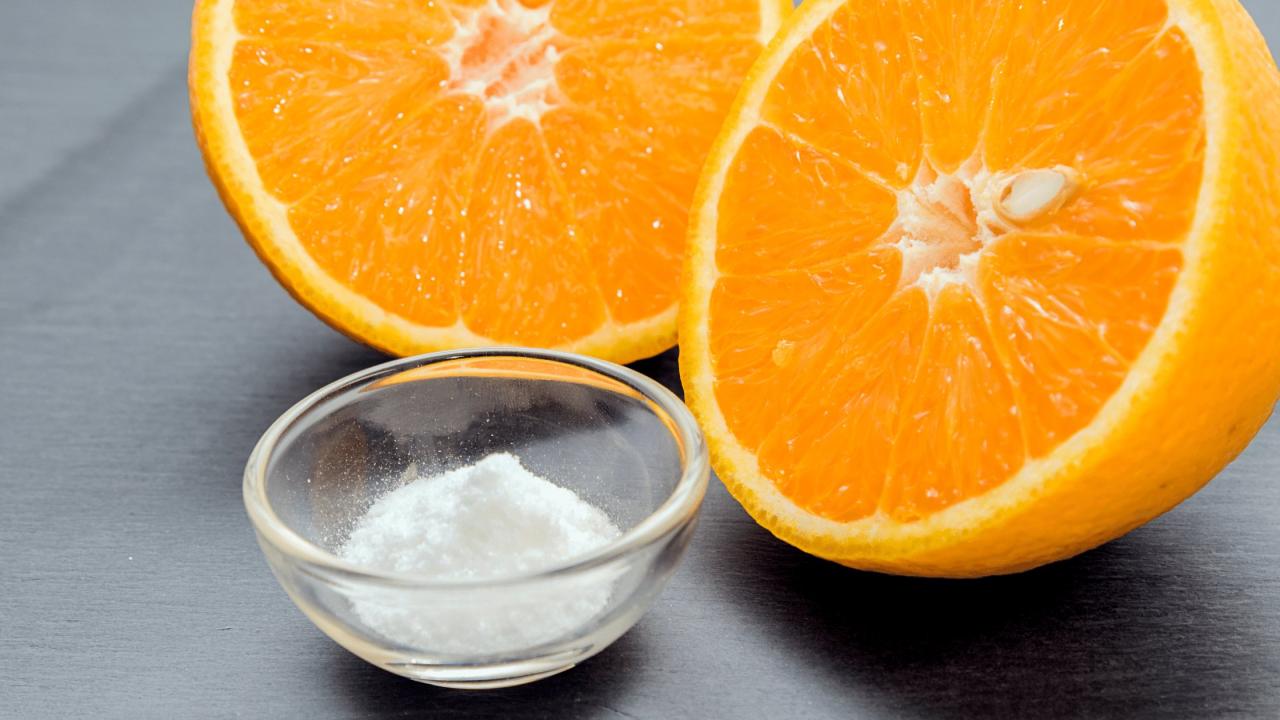
Marathon running places immense stress on the body, leading to significant fluid loss through sweat. Proper hydration is therefore critical for recovery, preventing complications, and ensuring your body can effectively repair itself. This section will guide you through understanding the signs of dehydration, effective rehydration techniques, and the vital role of electrolytes in your post-marathon recovery.
Signs and Symptoms of Dehydration After a Marathon
Dehydration can manifest in a variety of ways after a marathon. Recognizing these signs is crucial for timely intervention. Ignoring them can lead to serious health consequences, potentially affecting kidney function and overall recovery.
- Thirst: This is the most obvious sign, but it may not always be a reliable indicator, as thirst sensation can be blunted during intense exercise.
- Dark Urine: Concentrated urine, dark in color, indicates a higher concentration of waste products due to insufficient fluid intake. Ideally, urine should be pale yellow.
- Fatigue and Weakness: Dehydration reduces blood volume, leading to decreased oxygen delivery to muscles and causing tiredness.
- Dizziness and Lightheadedness: Reduced blood volume can also affect blood pressure, leading to dizziness, especially when standing up quickly.
- Muscle Cramps: Electrolyte imbalances, often exacerbated by dehydration, can contribute to muscle cramps.
- Headache: Dehydration can trigger headaches due to reduced blood flow to the brain.
- Nausea and Vomiting: Severe dehydration can upset the digestive system, leading to these symptoms.
- Rapid Heartbeat: The heart works harder to circulate blood when blood volume is low.
Proper Hydration Techniques and Fluid Intake Recommendations
Effective rehydration involves more than just drinking water; it requires a strategic approach to replenish lost fluids and electrolytes. Understanding how much to drink and what to drink is crucial for optimal recovery.
- Assess Fluid Loss: Weigh yourself before and immediately after the marathon. The difference in weight represents fluid loss. For every pound lost, drink approximately 16-24 ounces (473-710 ml) of fluid.
- Drink Consistently: Don’t wait until you feel thirsty to drink. Sip fluids regularly throughout the recovery period.
- Prioritize Electrolyte Drinks: Sports drinks containing electrolytes (sodium, potassium, chloride, magnesium) help replenish what is lost through sweat and improve fluid absorption.
- Consider Water as Part of the Plan: While electrolyte drinks are important, plain water is also essential to meet overall fluid needs.
- Avoid Excessive Caffeine and Alcohol: These substances can act as diuretics, increasing fluid loss and hindering recovery.
- Listen to Your Body: Pay attention to your thirst cues and drink accordingly, but don’t rely solely on thirst.
The Role of Sodium in Fluid Balance and Muscle Function
Sodium plays a crucial role in fluid balance and muscle function, particularly after a marathon. Understanding its importance helps in optimizing your rehydration strategy.
- Fluid Retention: Sodium helps the body retain fluids. When sodium levels are low, the body may struggle to hold onto water, leading to further dehydration.
- Electrolyte Balance: Sodium is a key electrolyte, and its balance is essential for nerve and muscle function.
- Muscle Contractions: Sodium is involved in the transmission of nerve impulses that trigger muscle contractions.
- Sodium Loss Through Sweat: Marathon runners lose significant amounts of sodium through sweat. This loss needs to be replenished.
- Hyponatremia Risk: Drinking excessive plain water without replacing sodium can lead to hyponatremia (low sodium levels), a dangerous condition.
The recommended sodium intake for athletes, especially after prolonged exercise, is often higher than the general population’s recommendation. This is because of the significant sodium loss through sweat.
Step-by-Step Procedure for Rehydrating Effectively After a Marathon
Following a structured approach ensures you rehydrate efficiently and effectively after a marathon. This procedure combines fluid intake with electrolyte replenishment for optimal recovery.
- Immediate Post-Race (Within 30 Minutes): Consume an electrolyte-rich sports drink or a combination of water and a sodium-containing snack (e.g., pretzels, salted nuts). This starts the rehydration process quickly.
- First Hour: Continue sipping electrolyte drinks. If you lost a significant amount of weight, aim for at least 16-24 ounces (473-710 ml) of fluid during this hour. Include a small amount of sodium-rich food, like crackers or broth.
- Hours 2-4: Alternate between electrolyte drinks and water. Monitor urine color; aim for pale yellow. Continue consuming sodium-rich foods or snacks.
- Ongoing: Maintain a consistent fluid intake throughout the day and the following days. Continue to monitor urine color and thirst cues. Adjust fluid intake based on activity level and weather conditions. Consider adding an oral rehydration solution (ORS) if you experience persistent dehydration symptoms.
- Example: A runner who loses 3 pounds during the marathon should aim to drink approximately 48-72 ounces (1.4-2.1 liters) of fluid over the first few hours, including electrolyte drinks and water, along with sodium-rich snacks to replenish lost sodium.
Timing of Post-Race Meals and Snacks
The timing of your post-marathon nutrition is just as crucial as the nutritional content itself. Your body is in a highly receptive state immediately after finishing a marathon, making this a prime opportunity to kickstart the recovery process. Proper timing ensures that your body efficiently replenishes glycogen stores, repairs muscle damage, and rehydrates, ultimately leading to a quicker and more complete recovery.
Ideal Timeframe for the First Post-Marathon Meal
Consuming your first meal or snack within the first 30-60 minutes after crossing the finish line is the optimal strategy. This window of opportunity is when your muscles are most efficient at absorbing nutrients, maximizing the replenishment of glycogen and the repair of muscle tissues. Waiting longer can significantly delay the recovery process.
Schedule for Subsequent Meals and Snacks Throughout the Recovery Day
Following the initial post-race snack or meal, a structured approach to refueling is essential for sustained recovery. This involves a planned schedule of meals and snacks throughout the day, ensuring a consistent supply of nutrients to support your body’s needs.
- Within 1 hour post-race: Consume a snack or meal rich in carbohydrates and protein. This should include easily digestible options to quickly replenish glycogen stores and initiate muscle repair.
- 2-3 hours post-race: Have a more substantial meal that includes carbohydrates, protein, and healthy fats. This meal should continue to focus on recovery and provide sustained energy.
- 4-6 hours post-race: Consider another snack, especially if you’re feeling hungry or if you have a high training load. This snack can be similar to the first one, emphasizing carbohydrates and protein.
- Dinner (6-8 hours post-race): Enjoy a balanced meal with a good balance of carbohydrates, protein, and healthy fats. This should be a satisfying meal that supports continued recovery and prepares your body for sleep.
Impact of Delayed Refueling on Recovery Time
Delaying your post-marathon refueling can significantly hinder your recovery. The longer you wait to provide your body with the necessary nutrients, the slower the replenishment of glycogen stores, the greater the muscle damage, and the more prolonged the recovery period. This can lead to increased muscle soreness, fatigue, and a higher risk of injury.
Research indicates that delaying carbohydrate intake by just two hours after exercise can reduce the rate of glycogen resynthesis by as much as 50%.
Meal Plan for the First 4 Hours Post-Marathon
Here’s a sample meal plan designed to maximize recovery during the crucial first four hours after finishing a marathon. Remember to adjust portion sizes based on your individual needs and tolerance.
- 0-60 minutes: A recovery drink (e.g., a sports drink with carbohydrates and electrolytes) and a small snack, such as a banana with peanut butter or a handful of pretzels and a protein bar. This provides quick energy and initiates muscle repair.
- 1-2 hours: A meal consisting of a sandwich on whole-wheat bread with lean protein (turkey or chicken), avocado, and a side of fruit (e.g., orange slices). This provides a combination of carbohydrates, protein, and healthy fats for sustained recovery.
- 2-3 hours: A snack such as Greek yogurt with berries and a sprinkle of granola, or a protein shake with a piece of fruit. This helps maintain a steady supply of nutrients and prevent hunger.
- 3-4 hours: Consider a small portion of pasta with grilled chicken or fish and a side salad. This provides complex carbohydrates for continued glycogen replenishment and lean protein for muscle repair.
Supplementation Considerations
After conquering the marathon, your body enters a critical recovery phase. While a well-balanced diet forms the cornerstone of this recovery, carefully considered supplementation can provide targeted support for muscle repair, reduced inflammation, and overall well-being. However, navigating the world of supplements requires caution and informed decision-making. Understanding the potential benefits, risks, and how to choose supplements safely is paramount to maximizing your recovery and minimizing potential harm.
Potential Benefits of Supplements for Muscle Recovery
Certain supplements can offer specific advantages in accelerating muscle recovery post-marathon. These benefits are often linked to reducing muscle damage, promoting protein synthesis, and mitigating inflammation. Consider that the effectiveness of supplements can vary based on individual needs, genetics, and the overall recovery strategy employed.
- Reducing Muscle Damage: Intense exercise, like running a marathon, causes microscopic tears in muscle fibers. Supplements like branched-chain amino acids (BCAAs) may help reduce this damage. For example, studies have shown that BCAA supplementation before and after exercise can decrease muscle soreness and improve recovery time.
- Promoting Protein Synthesis: Protein is essential for repairing and rebuilding muscle tissue. Some supplements, such as whey protein, provide a readily available source of amino acids, the building blocks of protein, which can enhance protein synthesis. A study published in the
-Journal of the American College of Nutrition* indicated that whey protein supplementation post-exercise significantly increased muscle protein synthesis compared to a placebo. - Mitigating Inflammation: Marathon running triggers an inflammatory response in the body. Certain supplements, such as omega-3 fatty acids and curcumin, possess anti-inflammatory properties that can help reduce inflammation and accelerate recovery. For example, a review in the
-Clinical Journal of Sport Medicine* highlighted the benefits of omega-3 supplementation in reducing muscle soreness and improving recovery after strenuous exercise.
Risks Associated with Certain Supplements and Their Interactions
While supplements can be beneficial, they are not without risks. Understanding potential side effects and interactions is crucial for safe supplementation. Always consult with a healthcare professional before starting any new supplement regimen.
- Side Effects: Some supplements can cause adverse side effects. For example, excessive intake of creatine can lead to gastrointestinal issues, while high doses of vitamin C can cause diarrhea. Always adhere to recommended dosages.
- Interactions: Supplements can interact with medications, leading to undesirable effects. For example, St. John’s Wort can interfere with the effectiveness of antidepressants. Always inform your doctor about any supplements you are taking, especially if you are on medication.
- Contamination: The supplement industry is not always strictly regulated. Some products may contain undeclared ingredients or contaminants that can be harmful. Always choose reputable brands that undergo third-party testing to ensure product purity and accuracy of labeling. For instance, organizations like NSF International and Informed-Sport certify supplements for quality and safety.
- Overdosing: Taking excessive amounts of certain supplements can be dangerous. For example, overdosing on fat-soluble vitamins (A, D, E, and K) can lead to toxicity. Always follow the recommended dosage instructions.
Guide on How to Choose Supplements Safely and Effectively
Selecting supplements requires a strategic approach. Prioritize safety, efficacy, and quality to optimize your recovery.
- Consult with a Healthcare Professional: Before starting any new supplement, consult with a doctor, registered dietitian, or sports nutritionist. They can assess your individual needs, consider any potential interactions with medications, and provide personalized recommendations.
- Research the Supplement: Investigate the supplement’s scientific evidence. Look for studies that support its effectiveness and safety. Consider the source of the information and whether it is peer-reviewed.
- Choose Reputable Brands: Select brands that are transparent about their ingredients, manufacturing processes, and testing procedures. Look for products that are third-party tested by organizations like NSF International, Informed-Sport, or USP. These certifications indicate that the product has been tested for contaminants and that the label accurately reflects the contents.
- Start with a Low Dose: Begin with a lower dose than recommended and gradually increase it as tolerated. This allows you to assess your body’s response to the supplement and minimize the risk of adverse effects.
- Monitor Your Body: Pay attention to how your body responds to the supplement. Note any changes in your health, energy levels, or any side effects. If you experience any adverse effects, discontinue use and consult with your healthcare provider.
- Prioritize Food First: Remember that supplements are meant to supplement a healthy diet, not replace it. Focus on consuming a balanced diet that meets your nutritional needs before considering supplementation.
Helpful Supplements for Post-Marathon Recovery
The following list includes supplements that may be beneficial for post-marathon recovery. Remember that this is not an exhaustive list, and the suitability of each supplement varies depending on individual needs and circumstances. Always consult with a healthcare professional before taking any supplements.
- Whey Protein: Provides a readily available source of amino acids to support muscle repair and protein synthesis. Consume within an hour of finishing the marathon for optimal effect.
- Branched-Chain Amino Acids (BCAAs): May help reduce muscle soreness and damage.
- Creatine: Supports muscle recovery and strength.
- Omega-3 Fatty Acids: Possess anti-inflammatory properties that can help reduce muscle soreness and inflammation.
- Curcumin: Another potent anti-inflammatory compound that can aid in recovery.
- Vitamin D: Plays a role in muscle function and immune support. Ensure you have adequate levels, especially if you live in an area with limited sunlight.
- Multivitamin: Ensures you are meeting your micronutrient needs, which are essential for overall recovery and health.
Addressing Common Post-Marathon Issues

Running a marathon is a monumental achievement, but the physical demands can leave you vulnerable to a variety of post-race issues. Understanding and proactively addressing these common challenges is crucial for a swift and comfortable recovery. This section Artikels strategies to manage muscle soreness, combat gastrointestinal distress, and prevent hyponatremia, empowering you to bounce back stronger.
Managing Muscle Soreness and Cramping
Muscle soreness and cramping are almost inevitable after a marathon. The intense effort and prolonged muscle contractions lead to micro-tears in muscle fibers and electrolyte imbalances, contributing to these discomforts.To address muscle soreness and cramping effectively:
- Gentle Stretching: Begin gentle stretching exercises as soon as possible after the race. Focus on the major muscle groups used during running, such as the quads, hamstrings, calves, and hip flexors. Hold each stretch for 20-30 seconds.
- Light Activity: Engage in light activities like walking or swimming to promote blood flow and reduce stiffness. Avoid intense exercise until your muscles have recovered.
- Massage: Consider a sports massage to help alleviate muscle tension and promote recovery. Massage can help to flush out metabolic waste products and reduce inflammation.
- Ice Baths or Cold Therapy: Immerse yourself in an ice bath (or take a cold shower) for 10-15 minutes to reduce inflammation and muscle soreness. If you’re not a fan of ice baths, try applying ice packs to sore areas.
- Proper Hydration and Electrolyte Replenishment: Dehydration and electrolyte imbalances can worsen muscle cramps. Ensure you’re drinking plenty of fluids and consuming electrolytes to help restore balance.
- Nutrient Intake: Consume foods rich in magnesium and potassium, which play a role in muscle function. Bananas, avocados, and leafy green vegetables are good sources.
Combating Nausea and Other Gastrointestinal Distress
Gastrointestinal (GI) distress, including nausea, bloating, and diarrhea, is common during and after marathons. The body diverts blood flow away from the digestive system to the working muscles, potentially leading to these issues.To manage and minimize GI distress:
- Pre-Race Nutrition: Avoid high-fat, high-fiber, and unfamiliar foods in the days leading up to the race. These can increase the likelihood of GI upset.
- Race-Day Fueling: Practice your race-day nutrition strategy during training. Use gels, chews, or sports drinks that your stomach tolerates well. Avoid overconsumption of any one type of fuel.
- Hydration Management: Drink fluids consistently throughout the race, but avoid overhydration, which can also contribute to GI issues.
- Post-Race Hydration: Continue to hydrate with water and electrolyte-rich drinks.
- Bland Foods: After the race, start with bland foods that are easy to digest, such as bananas, rice, toast, and plain crackers. Avoid rich, spicy, or fatty foods.
- Rest: Allow your digestive system to recover. Rest and avoid strenuous activity immediately after the race.
- Medications: If nausea is severe, consider over-the-counter anti-nausea medications, but consult with a healthcare professional before taking any new medications.
Preventing and Treating Hyponatremia
Hyponatremia, or low blood sodium, can occur after a marathon, primarily due to overhydration with plain water and excessive sodium loss through sweat. It can be a serious condition.To prevent and address hyponatremia:
- Proper Hydration: Drink to thirst, rather than over-hydrating. Use sports drinks that contain electrolytes, particularly sodium, during and after the race.
- Sodium Intake: Consume salty snacks or foods with sodium after the race to help replenish lost electrolytes.
- Monitor Urine Output: Pale yellow urine is a good indicator of proper hydration. Very clear urine may indicate overhydration.
- Recognize Symptoms: Be aware of the symptoms of hyponatremia, including nausea, vomiting, headache, confusion, and muscle weakness. Seek medical attention immediately if you experience these symptoms.
- Medical Intervention: If hyponatremia is suspected, a medical professional can administer intravenous fluids containing sodium to restore electrolyte balance.
Recovery Plan: A Summary
Here’s a recovery plan to address common post-marathon issues, summarized in blockquotes:
Muscle Soreness and Cramping:
- Gentle stretching and light activity.
- Sports massage.
- Ice baths or cold therapy.
- Proper hydration and electrolyte replenishment.
- Nutrient-rich food intake.
Gastrointestinal Distress:
- Pre-race nutrition planning.
- Race-day fueling strategy.
- Hydration management.
- Post-race bland foods.
- Rest.
- Consult with a medical professional.
Hyponatremia Prevention and Treatment:
- Hydrate to thirst, use sports drinks.
- Consume salty foods.
- Monitor urine output.
- Recognize symptoms, seek medical attention if necessary.
- Medical intervention may be required.
Recipes and Meal Ideas
Fueling your body with the right nutrients immediately after a marathon is crucial for recovery. These recipes provide a delicious and effective way to replenish glycogen stores, repair muscle damage, and rehydrate your body. Following these recipes, you’ll be well on your way to a faster and more comfortable recovery.
Post-Marathon Recovery Smoothie Recipe
This smoothie is packed with carbohydrates, protein, and electrolytes to jumpstart your recovery. It’s easily digestible and provides essential nutrients in a convenient format.
- Ingredients:
- 1 cup frozen berries (such as strawberries, blueberries, or raspberries)
-Provides antioxidants and carbohydrates. - 1 ripe banana – Offers carbohydrates and potassium.
- 1 scoop whey protein powder (or plant-based protein)
-Aids in muscle repair. - 1/2 cup Greek yogurt (or dairy-free alternative)
-Contributes protein and probiotics. - 1/2 cup milk (or almond milk)
-Adds hydration and a creamy texture. - 1/4 teaspoon sea salt – Replenishes sodium lost through sweat.
- Ice cubes (optional)
-For a thicker consistency. - Instructions:
- Combine all ingredients in a blender.
- Blend until smooth.
- If needed, add more liquid to reach your desired consistency.
- Serve immediately.
High-Protein, Carbohydrate-Rich Meal Recipe
This meal provides a balance of protein for muscle repair and carbohydrates to replenish glycogen stores. It is important to have a meal with a good balance of these nutrients within a few hours after the race.
- Ingredients:
- 4 oz grilled chicken breast (or tofu for a vegetarian option)
-Provides protein for muscle repair. - 1 cup cooked brown rice – Offers complex carbohydrates for glycogen replenishment.
- 1 cup steamed broccoli – Adds vitamins, minerals, and fiber.
- 1/4 cup avocado – Contains healthy fats and electrolytes.
- Instructions:
- Grill or bake the chicken breast (or prepare the tofu).
- Cook the brown rice according to package directions.
- Steam the broccoli until tender-crisp.
- Assemble the meal by combining the chicken (or tofu), brown rice, broccoli, and avocado on a plate.
- Season with salt and pepper to taste.
- Enjoy!
Homemade Electrolyte Drink Recipe
This electrolyte drink helps replenish fluids and electrolytes lost through sweat. Commercial sports drinks can be expensive and often contain added sugars. This recipe offers a healthier and more cost-effective alternative.
- Ingredients:
- 4 cups water
- 1/4 cup orange juice (or other fruit juice)
-Provides carbohydrates and potassium. - 1/4 teaspoon sea salt – Replenishes sodium.
- 1 tablespoon honey (or maple syrup)
-Adds carbohydrates for energy. - Instructions:
- Combine all ingredients in a bottle or pitcher.
- Stir well until the salt and honey are dissolved.
- Chill and consume throughout the day.
Sample Meal Plan for the First 24 Hours Post-Marathon
This meal plan is a guideline to help you structure your meals and snacks in the first 24 hours after the race. Adjust portion sizes based on your individual needs and appetite. Remember to prioritize hydration throughout the day.
- Meal 1 (Within 1 hour post-race): Recovery Smoothie (recipe above)
- Meal 2 (2-3 hours post-race): High-Protein, Carbohydrate-Rich Meal (recipe above)
- Snack (3-4 hours post-race): Banana with peanut butter. This combination provides carbohydrates, protein, and healthy fats.
- Meal 3 (5-6 hours post-race): Chicken or fish with sweet potato and vegetables. This provides a balance of protein, complex carbohydrates, and essential nutrients.
- Snack (before bed): Greek yogurt with berries and a handful of nuts. This provides protein to support muscle recovery overnight.
- Throughout the day: Homemade Electrolyte Drink (recipe above) and water. Drink frequently to stay hydrated.
Individualizing Your Recovery Plan
The journey to marathon recovery isn’t a one-size-fits-all approach. While general guidelines are helpful, tailoring your plan to your specific needs and circumstances is crucial for optimal healing and future performance. This section focuses on how to create a recovery plan that’s uniquely yours, considering your running history, pace, and individual preferences.
Factors for Personalizing Post-Marathon Recovery
Several factors influence the design of your ideal recovery plan. Understanding these elements will allow you to fine-tune your approach for the best results.
- Running History and Experience: Your prior experience with marathon running, including the number of marathons completed and your training history, significantly impacts your recovery needs. Experienced marathoners may recover faster than first-timers.
- Running Pace: Faster paces generally lead to greater muscle damage and glycogen depletion, requiring a more intensive recovery strategy. Slower paces may allow for a slightly less aggressive approach.
- Training Volume: Higher weekly mileage and more intense training cycles leading up to the marathon can influence the extent of muscle fatigue and the need for a longer recovery period.
- Individual Physiology: Factors like age, sex, genetics, and pre-existing health conditions (e.g., iron deficiency) play a role in your body’s ability to repair itself.
- Body Composition: The proportion of muscle mass to fat influences how your body processes nutrients and recovers. Higher muscle mass can often support a faster recovery due to enhanced protein synthesis.
- Nutrition Habits: Your pre-marathon and race-day nutrition strategies, along with your overall dietary habits, impact glycogen stores, muscle recovery, and inflammation levels.
- Sleep Quality: Adequate sleep is essential for muscle repair and hormone regulation. Insufficient sleep can significantly impede recovery.
- Stress Levels: Chronic stress can hinder the recovery process by elevating cortisol levels, which can break down muscle tissue and suppress the immune system.
- Post-Race Symptoms: The severity of muscle soreness, fatigue, and other post-race symptoms (e.g., blisters, chafing) should be considered when tailoring your recovery.
- Personal Preferences: Consider what activities you enjoy and find relaxing. Incorporating enjoyable recovery methods can improve adherence to your plan.
Comparing Recovery Strategies for Different Running Paces and Experience Levels
Recovery strategies need to be adjusted based on your pace and experience level. Here’s a comparison of recommended approaches.
| Factor | Beginner (First Marathon) | Intermediate (Multiple Marathons, Moderate Pace) | Advanced (Experienced, Faster Pace) |
|---|---|---|---|
| Immediate Post-Race Nutrition | Prioritize carbohydrate and protein intake within 1-2 hours (e.g., recovery shake, banana with peanut butter). | Focus on carbohydrate and protein intake within 30-60 minutes, with a slightly higher protein ratio (e.g., protein bar, Greek yogurt with fruit). | Optimize carbohydrate and protein timing and ratios immediately (e.g., high-protein shake with fast-digesting carbs, such as dextrose or maltodextrin). Consider adding branched-chain amino acids (BCAAs). |
| Hydration | Drink water and electrolyte-rich beverages consistently throughout the day. Monitor urine color. | Drink water and electrolyte-rich beverages consistently. Consider adding a small amount of sodium to meals. | Aggressively replenish fluids and electrolytes. May require IV fluids if severely dehydrated or if feeling unwell. |
| Rest and Active Recovery | Prioritize complete rest for 3-7 days, followed by very light cross-training (walking, swimming) in the second week. | Prioritize 2-5 days of complete rest, followed by light cross-training (swimming, cycling, yoga) and short, easy runs in the second week. | Prioritize 1-3 days of complete rest, followed by active recovery (swimming, cycling, light jogging) and gradually increasing the volume and intensity in the second week. Consider a massage. |
| Nutrition During Recovery | Focus on whole foods, including lean protein, complex carbohydrates, and healthy fats. | Continue with a balanced diet, with an emphasis on protein intake to support muscle repair. Consider supplementation with creatine monohydrate. | Follow a highly nutrient-dense diet, with a strong focus on protein and anti-inflammatory foods. Consider targeted supplementation (e.g., omega-3 fatty acids, turmeric). |
| Return to Running | Gradual increase in running volume and intensity over 6-8 weeks. | Gradual increase in running volume and intensity over 4-6 weeks. Include easy runs, strides, and one longer run per week. | Gradual increase in running volume and intensity over 3-5 weeks. Include easy runs, strides, and longer runs. Introduce tempo runs and interval training after the first 2 weeks. |
Adjusting the Plan Based on Individual Needs and Preferences
The recovery plan isn’t set in stone. Regularly assess how you’re feeling and adjust your plan accordingly.
- Monitor Your Body: Pay attention to muscle soreness, fatigue levels, sleep quality, and overall energy. Adjust the intensity and duration of your activities based on these signals.
- Listen to Your Body: If you experience persistent pain or discomfort, prioritize rest and seek medical advice if needed. Don’t push through pain.
- Adjust Activity Levels: If you’re feeling particularly fatigued, reduce the duration or intensity of your workouts. Conversely, if you feel good, you can gradually increase the activity levels.
- Modify Nutritional Intake: If you’re not recovering well, review your diet and hydration strategies. Increase protein intake, ensure you’re getting enough calories, and stay hydrated.
- Incorporate Enjoyable Activities: Make the recovery process more enjoyable by including activities you like. This can improve your adherence to the plan and boost your mood.
- Consider Psychological Factors: Acknowledge and manage stress. Engage in relaxation techniques like meditation or deep breathing to support your mental well-being.
- Track Progress: Keep a journal to track your recovery progress, noting how you feel, what you’re eating, and the activities you’re doing. This will help you identify what works best for you.
- Consult Professionals: Don’t hesitate to consult a doctor, physical therapist, or registered dietitian if you have concerns or need expert guidance.
Flowchart to Personalize a Recovery Plan
Here is a flowchart to help you create a personalized recovery plan.
Step 1: Assessment
Question: What is your running experience and pace?
Options: Beginner (First Marathon), Intermediate (Multiple Marathons, Moderate Pace), Advanced (Experienced, Faster Pace)
Action: Select the option that best describes your situation.
Step 2: Initial Recovery Phase (Days 1-3)
Question: How severe are your post-race symptoms?
Options: Mild, Moderate, Severe
Action:
- If Mild: Focus on rest, hydration, and light nutrition (e.g., fruit, recovery shake).
- If Moderate: Prioritize rest, hydration, and proper nutrition (e.g., protein-rich meals, electrolyte drinks). Consider gentle stretching or foam rolling.
- If Severe: Prioritize complete rest, hydration, and nutrient-dense meals. Consider seeking medical advice.
Step 3: Active Recovery Phase (Days 4-7)
Question: How do you feel?
Options: Good, Okay, Poor
Action:
- If Good: Light cross-training (swimming, cycling, yoga) and very short, easy runs (if intermediate or advanced).
- If Okay: Continue with rest and light cross-training.
- If Poor: Continue with rest and prioritize nutrition and hydration.
Step 4: Return to Running (Week 2 onwards)
Question: How is your body responding to the recovery?
Options: Improving, Stagnant, Declining
Action:
- If Improving: Gradually increase running volume and intensity based on your experience level.
- If Stagnant: Re-evaluate your recovery plan. Increase rest, adjust nutrition, and consider other recovery methods.
- If Declining: Prioritize rest and consult with a healthcare professional.
Step 5: Ongoing Monitoring and Adjustment
Action: Continuously monitor your body’s response and adjust the plan as needed.
Summary
In conclusion, mastering the art of post-marathon refueling is essential for a swift and successful recovery. By prioritizing carbohydrate replenishment, protein intake, and proper hydration, you’ll provide your body with the tools it needs to repair, rebuild, and re-energize. Remember that a well-planned recovery strategy, as detailed in “How to Refuel Your Body Immediately After Finishing a Marathon,” not only aids in physical recovery but also sets the stage for future running endeavors.
Embrace these strategies, listen to your body, and celebrate your incredible accomplishment by giving it the care it deserves.