How to Stretch Properly After a Run to Improve Flexibility is essential for runners of all levels. Often overlooked, post-run stretching is a cornerstone of a well-rounded training regimen. This guide will explore the critical role stretching plays in your running journey, moving beyond simply improving flexibility to address injury prevention, enhanced performance, and overall well-being.
We’ll delve into the benefits of post-run stretching, identifying the right stretches for key muscle groups, and mastering proper techniques. From breathing exercises to understanding the differences between warm-up and cool-down routines, you’ll gain the knowledge to create a personalized stretching plan. We’ll also tackle common myths and concerns, offering practical strategies to integrate stretching into your busy schedule.
Benefits of Post-Run Stretching
Post-run stretching is a crucial component of a well-rounded running routine, often overlooked but essential for recovery and future performance. Incorporating these stretches into your post-run cool-down period can significantly enhance your running experience, leading to greater enjoyment and fewer setbacks. Let’s delve into the specific advantages you’ll gain by dedicating time to these beneficial movements.
Reduced Muscle Soreness
Delayed Onset Muscle Soreness (DOMS) is a common experience for runners, especially after intense workouts or races. Post-run stretching can significantly alleviate this discomfort.Stretching helps to:
- Increase Blood Flow: Stretching increases blood flow to the muscles. This enhanced circulation delivers oxygen and nutrients while removing metabolic waste products like lactic acid, which contributes to soreness.
- Reduce Muscle Tension: Running causes microscopic muscle tears. Stretching helps to lengthen and relax the muscle fibers, minimizing the buildup of tension and stiffness that leads to DOMS.
- Promote Muscle Repair: By improving blood flow and reducing tension, stretching facilitates the repair process of muscle fibers, helping them recover more efficiently.
Improved Range of Motion
Regular stretching after runs gradually enhances your range of motion, which translates to more efficient and comfortable running.This improvement in range of motion prepares your body for future runs by:
- Increasing Flexibility: Stretching lengthens muscles and increases the flexibility of joints. This allows for a greater range of movement during each stride, reducing the effort required and improving running form.
- Enhancing Stride Length: With increased flexibility, you can achieve a longer stride length, potentially improving running speed and efficiency. A longer stride means covering more ground with each step.
- Reducing the Risk of Muscle Imbalances: Stretching helps to address muscle imbalances that can develop from repetitive running motions. By stretching both tight and overused muscles, you maintain a balanced and efficient running posture.
Injury Prevention
Stretching plays a vital role in preventing common running injuries. Tight muscles and limited range of motion increase the risk of various injuries.Here’s how post-run stretching contributes to injury prevention:
- Preventing Hamstring Strains: Tight hamstrings are a major risk factor for hamstring strains. Regular stretching keeps these muscles flexible, reducing the likelihood of injury. A study published in the American Journal of Sports Medicine found that stretching exercises significantly reduced the incidence of hamstring strains in runners.
- Reducing Calf Muscle Tears: Stretching the calf muscles, including the gastrocnemius and soleus, prevents tightness that can lead to tears or strains. Calf stretches are crucial for absorbing impact and propelling the body forward during running.
- Minimizing IT Band Issues: The iliotibial (IT) band can become tight and inflamed due to repetitive running. Stretching the IT band, along with the surrounding muscles like the glutes and quads, can help prevent IT band syndrome.
- Lowering the Risk of Plantar Fasciitis: Stretching the plantar fascia, the tissue on the bottom of your foot, and the calf muscles can help prevent plantar fasciitis, a common condition causing heel pain.
Identifying the Right Stretches
Choosing the right stretches after a run is crucial for maximizing flexibility, reducing muscle soreness, and preventing injuries. Focusing on the major muscle groups used during running ensures you’re addressing the areas most prone to tightness. This section details effective stretches for runners, explains how to modify them, and provides guidance on selecting stretches based on individual needs.
Effective Stretches for Runners
Here’s a selection of stretches targeting key muscle groups used during running. Each stretch should be held for 20-30 seconds, breathing deeply throughout.
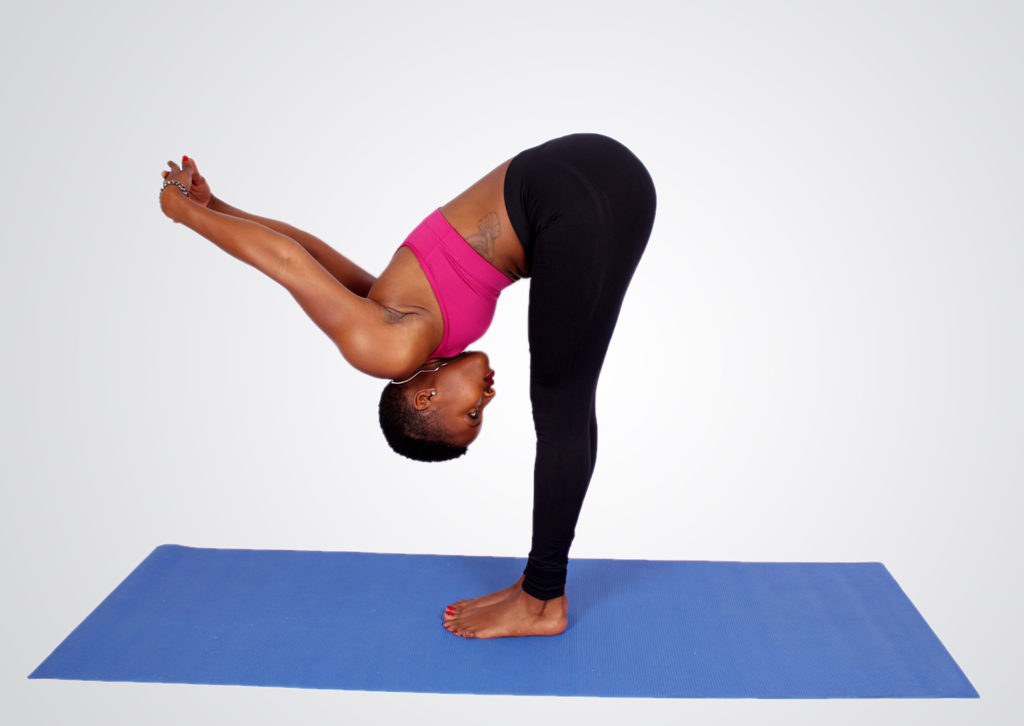
- Hamstring Stretch: Stand with one leg straight, heel on the ground, and toes pointing up. Bend forward from the hips, keeping your back straight, until you feel a stretch in the back of your thigh. You can gently rest your hands on your elevated leg or on the ground for balance.
- Quadriceps Stretch: Stand tall, and bend one knee, bringing your heel towards your glutes. Grasp your ankle with your hand (same side). Gently pull your heel towards your glutes until you feel a stretch in the front of your thigh. Keep your knees close together and maintain a straight posture.
- Calf Stretch: Stand facing a wall with one leg slightly behind the other. Place your hands on the wall for support. Keep your back heel on the ground and lean forward, feeling the stretch in your calf. For the soleus (lower calf) stretch, bend your front knee slightly while keeping your back heel down.
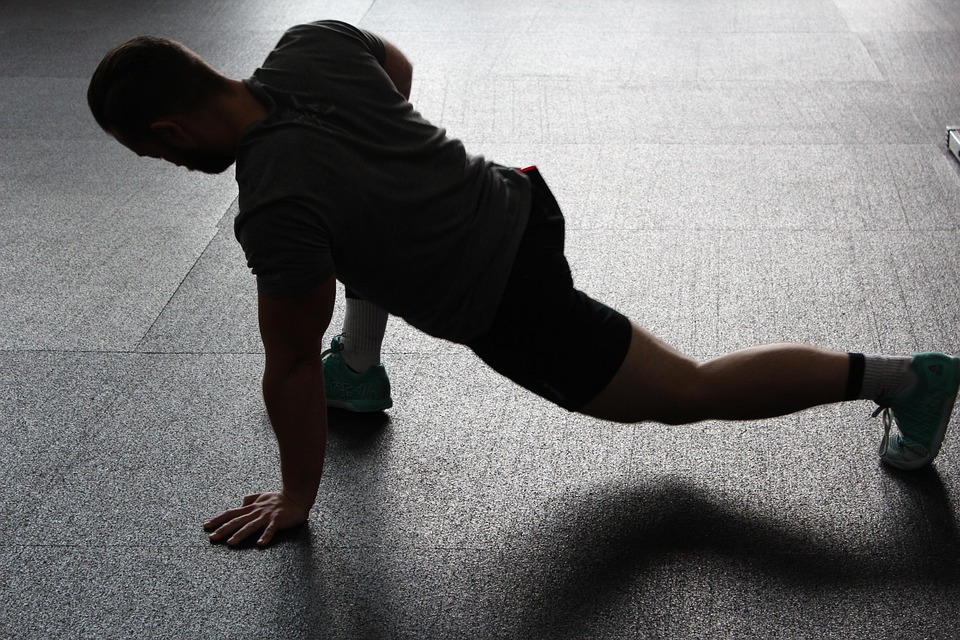
- Hip Flexor Stretch: Kneel on one knee, with your front knee bent at a 90-degree angle. Gently lean forward, feeling the stretch in the front of your hip on the kneeling leg. Keep your core engaged and avoid arching your back. You can also raise the arm on the same side as the kneeling leg overhead for a deeper stretch.
Modifying Stretches for Different Flexibility Levels
Flexibility varies from person to person. It’s essential to modify stretches to accommodate your current level. Don’t push yourself beyond your limits.
- Hamstring Stretch Modifications: If you are not very flexible, try bending your front knee slightly during the hamstring stretch. Another option is to perform a seated hamstring stretch, sitting with your legs extended and reaching towards your toes.
- Quadriceps Stretch Modifications: If you struggle to reach your ankle, use a towel or strap to assist you. Wrap the towel around your ankle and gently pull the towel towards your glutes.
- Calf Stretch Modifications: If the standard calf stretch is too intense, try performing it closer to the wall, reducing the angle of your lean.
- Hip Flexor Stretch Modifications: For a less intense hip flexor stretch, focus on keeping your core engaged and avoiding excessive arching of your back. For a deeper stretch, add a gentle glute squeeze.
Choosing Stretches Based on Running Style and Potential Problem Areas
Consider your individual running style and any areas prone to tightness or discomfort when choosing your stretches.
- Overstriding Runners: Overstriding often leads to tight hamstrings and hip flexors. Focus on stretches that target these areas, such as the hamstring stretch and hip flexor stretch.
- Heel Strikers: Heel strikers may experience tightness in their calves. Include calf stretches in your post-run routine.
- Runners with IT Band Issues: If you have IT band issues, incorporate stretches that address the IT band, such as the IT band stretch (lying on your side and crossing the top leg over the bottom leg, feeling the stretch along the outer thigh) and glute stretches.
- Runners with a History of Hamstring Strains: Prioritize hamstring stretches, ensuring you hold the stretches for the recommended time and do them consistently.
- Runners with Lower Back Pain: Incorporate hip flexor stretches to help release tension in the lower back, as well as gentle core exercises.
Proper Technique for Each Stretch
Mastering the correct technique for post-run stretches is crucial for maximizing their benefits and preventing injuries. Proper form ensures you target the intended muscle groups effectively, increasing flexibility and reducing muscle soreness. This section will guide you through the essential aspects of executing each stretch correctly.
Breathing Techniques During Stretching
Breathing plays a vital role in enhancing the effectiveness of your stretches. It helps to relax your muscles, allowing for a deeper and more comfortable stretch.
- Diaphragmatic Breathing: Focus on breathing deeply into your belly, allowing your diaphragm to expand. This type of breathing, often referred to as “belly breathing,” promotes relaxation and reduces tension.
- Inhale and Exhale Rhythm: Inhale slowly as you prepare for the stretch, and exhale slowly as you ease into the stretch. During the hold, maintain a steady, controlled breath. Exhaling can often help you sink deeper into the stretch.
- Avoid Holding Your Breath: Holding your breath can increase muscle tension and restrict blood flow, hindering the stretching process.
- Benefits of Controlled Breathing: Controlled breathing increases oxygen supply to the muscles, aiding in recovery and reducing muscle stiffness. It also helps to calm the nervous system, which contributes to relaxation and improved flexibility.
Holding Each Stretch Correctly
The duration and intensity of a stretch are key factors in achieving optimal results. Understanding how to hold each stretch correctly will significantly improve your flexibility and prevent potential injuries.
- Duration: Generally, hold each stretch for 20-30 seconds. This duration allows sufficient time for the muscle fibers to lengthen and relax.
- Intensity: The stretch should be felt, but it should not cause sharp pain. Aim for a comfortable level of tension. You should feel a gentle pull in the targeted muscle group.
- Progression: As you become more flexible, you may gradually increase the intensity of the stretch, but always listen to your body and avoid pushing yourself too far, too fast.
- Consistency: Regular stretching is key. Consistency, rather than the duration of a single stretching session, is what truly builds flexibility over time. Aim to stretch after every run.
- Listen to Your Body: If you experience any sharp pain, immediately ease out of the stretch. Minor discomfort is acceptable, but pain is a signal to stop.
Visual Guide: Common Mistakes and How to Avoid Them
This visual guide highlights common mistakes people make while stretching and provides corrective actions to ensure you are stretching safely and effectively.
| Stretch | Common Mistake | Description of the Mistake | How to Avoid It |
|---|---|---|---|
| Hamstring Stretch (Seated) | Rounding the Back | Leaning forward with a rounded back instead of maintaining a straight spine. This reduces the effectiveness of the stretch and can strain the lower back. | Sit upright with a straight back. Reach towards your toes while keeping your spine straight. Hinge at your hips, not your back. |
| Quadriceps Stretch (Standing) | Pulling the Knee Too Far Back | Over-extending the knee and putting excessive strain on the knee joint. | Keep your knee aligned with your hip. Avoid pulling your heel too far towards your glutes. Maintain a slight bend in your supporting leg. |
| Calf Stretch (Against a Wall) | Bending the Back Knee | Bending the back knee, which reduces the stretch in the calf muscles. | Keep your back leg straight, pressing your heel firmly into the ground. Lean into the wall, feeling the stretch in your calf. |
| Hip Flexor Stretch (Kneeling) | Leaning Forward at the Torso | Compensating by leaning forward instead of keeping the torso upright. This decreases the stretch’s effectiveness. | Maintain an upright posture, engaging your core. Gently push your hips forward while keeping your torso straight. Feel the stretch in the front of your hip. |
Warm-up vs. Cool-down Stretching
Understanding the difference between warm-up and cool-down stretching is crucial for maximizing the benefits of your runs and minimizing the risk of injury. Each type of stretching serves a distinct purpose, targeting different physiological needs of your body. Knowing when and how to stretch is key to optimizing your performance and recovery.
Comparing Pre-Run and Post-Run Stretches
Pre-run and post-run stretching have fundamentally different goals. Pre-run stretching prepares your body for the demands of running, while post-run stretching aids in recovery. This difference dictates the types of stretches that are most effective in each phase.
- Purpose: Pre-run stretches aim to increase blood flow to muscles, elevate body temperature, and improve range of motion. Post-run stretches focus on gradually returning the body to a resting state, reducing muscle soreness, and promoting flexibility.
- Intensity: Warm-up stretches are typically dynamic, involving controlled movements through a range of motion. Cool-down stretches are generally static, meaning holding a stretch for a period of time.
- Focus: Pre-run stretches should focus on the muscles that will be primarily used during the run, like the hamstrings, quadriceps, and calves. Post-run stretches should target all major muscle groups, including those that might not have been actively engaged during the run but are important for overall flexibility and recovery.
Stretches Best Suited for Each Phase
The choice of stretches depends on whether you’re preparing for a run or cooling down afterward. Using the right types of stretches at the appropriate time is critical.
- Warm-up Stretches: These should be dynamic stretches, performed with controlled movements. The goal is to prepare your muscles for activity.
- Cool-down Stretches: These are primarily static stretches, held for a period of time to lengthen muscles and improve flexibility.
Examples of Stretches for Performance Enhancement and Recovery
Specific stretches are beneficial for either warming up or cooling down. Here are some examples.
- Warm-up Examples:
- Leg Swings: Stand tall and swing each leg forward and backward, gradually increasing the range of motion. This improves hip flexor and hamstring flexibility. This dynamic stretch mimics the running motion and prepares the muscles for the repetitive impact.
- Arm Circles: Perform small, controlled circles with your arms, both forward and backward. This increases blood flow to the upper body and prepares the shoulders and arms for the effort.
- Torso Twists: Stand with your feet shoulder-width apart and twist your torso from side to side. This loosens the core muscles and prepares them for rotational movements.
- Cool-down Examples:
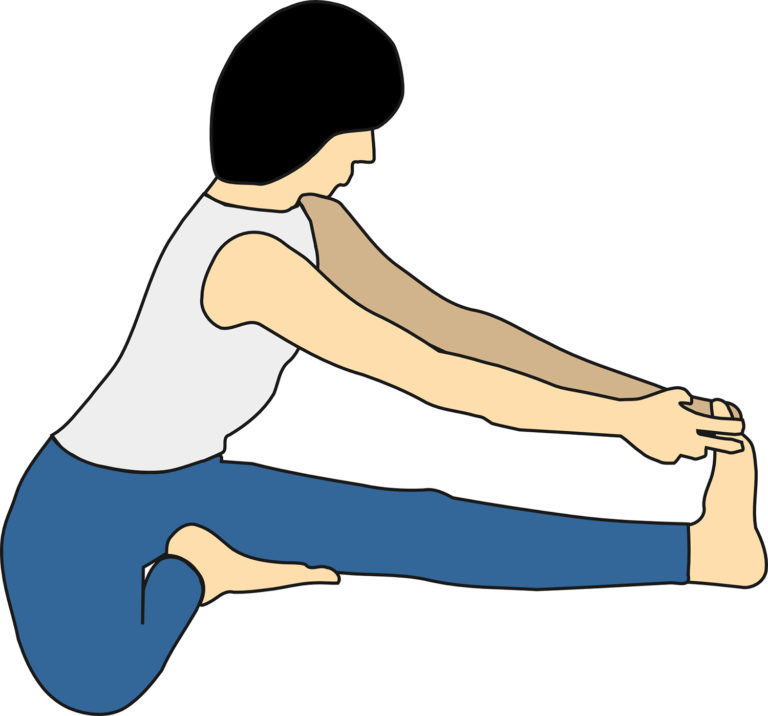
- Hamstring Stretch: Sit on the ground with one leg extended and reach towards your toes. Hold the stretch for 20-30 seconds. This helps to lengthen the hamstrings and improve flexibility.
- Quadriceps Stretch: Stand and hold your foot towards your buttock, pulling your heel towards your glute. Hold for 20-30 seconds. This stretches the quadriceps and improves flexibility in the front of the thigh.
- Calf Stretch: Lean against a wall with one leg slightly behind the other, and gently push your heel towards the ground. Hold for 20-30 seconds. This helps to lengthen the calf muscles and reduce tightness.
Creating a Post-Run Stretching Routine
Now that you understand the benefits of post-run stretching, know how to identify the right stretches, and have mastered the proper technique, it’s time to put it all together. This section focuses on crafting effective stretching routines tailored to your runs, ensuring you maximize recovery and flexibility. We’ll cover step-by-step routines, how to adapt them based on your run’s distance and intensity, and integrate them into your overall training schedule.
Organizing a Step-by-Step Stretching Routine Suitable for After a Typical Run
Creating a consistent post-run stretching routine is key to improving flexibility and reducing the risk of injury. Here’s a recommended routine, designed to target the major muscle groups used during running. Each stretch should be held for 20-30 seconds, focusing on slow, controlled movements and deep breathing.
- Hamstring Stretch (Standing or Seated): Begin by standing with one leg straight out in front of you, heel on the ground, toes pointed up. Gently lean forward from your hips, keeping your back straight, until you feel a stretch in the back of your thigh. Alternatively, sit on the floor with one leg extended and reach for your toes.
- Quadriceps Stretch (Standing): Stand tall, and bend one knee, bringing your heel towards your glutes. Grasp your ankle with your hand and gently pull your heel closer to your glutes, feeling the stretch in the front of your thigh. Maintain an upright posture.
- Calf Stretch (Standing): Place one foot slightly behind the other, with your back leg straight and heel on the ground. Lean against a wall or stable object, bending your front knee until you feel a stretch in your calf.
- Hip Flexor Stretch (Kneeling Lunge): Kneel on one knee, with your front foot flat on the ground. Gently lean forward, pushing your hips towards the ground until you feel a stretch in the front of your hip on the kneeling leg.
- Glute Stretch (Figure Four Stretch): Lie on your back with your knees bent. Cross your right ankle over your left knee. Gently pull your left thigh towards your chest, feeling the stretch in your right glute. Repeat on the other side.
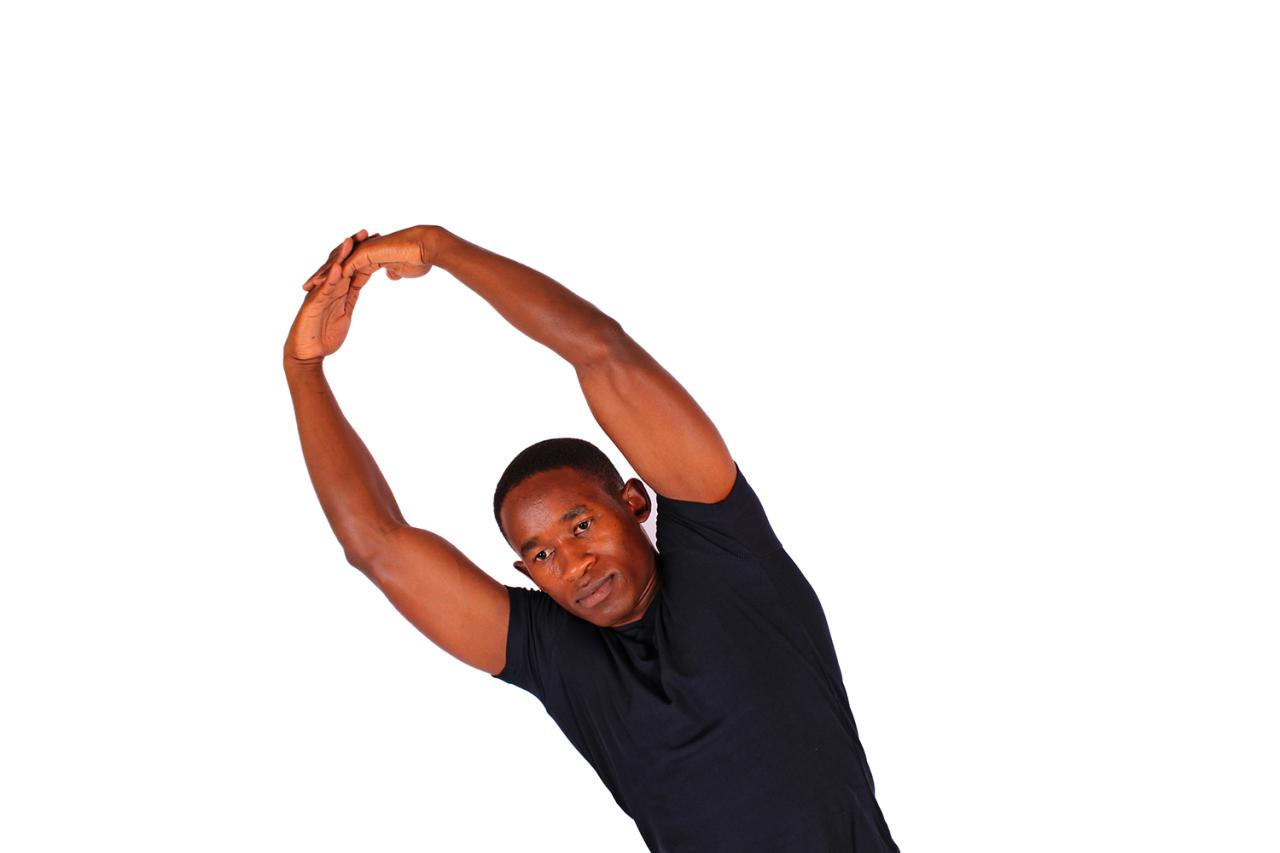
- IT Band Stretch (Standing): Stand with your feet together. Cross your right leg behind your left. Lean to the left, reaching your right arm overhead and feeling the stretch along the outside of your right leg. Repeat on the other side.
- Torso Twist (Seated or Standing): Sit or stand with your feet shoulder-width apart. Gently twist your torso to one side, holding the stretch for 20-30 seconds, and repeat on the other side.
Designing a Routine for Varying Run Distances and Intensity Levels
Your stretching routine should adapt to the demands of your run. Longer and more intense runs require a more comprehensive cool-down. Here’s how to adjust your routine:
- Short, Easy Runs (e.g., 3-5 miles at an easy pace): Perform the basic routine described above. Focus on holding each stretch for 20-30 seconds.
- Moderate Runs (e.g., 5-8 miles at a moderate pace or tempo runs): Extend the routine by adding an extra set of each stretch, or holding each stretch for a slightly longer duration (30-45 seconds). Consider including dynamic stretches like leg swings before the run and after the run.
- Long Runs (e.g., 10+ miles or race training): Increase the duration of each stretch (45-60 seconds). Add additional stretches targeting areas that may be particularly fatigued, such as the lower back and shoulders. Ensure adequate hydration and nutrition post-run to support recovery. Consider incorporating foam rolling for 10-15 minutes after your stretching.
- Interval Training or Speed Workouts: Because these runs place a high demand on muscles, consider performing the moderate or long run stretching routine, focusing on static stretching after the workout.
Creating a Schedule to Incorporate Stretching into Your Overall Training Plan
Consistency is paramount for reaping the benefits of post-run stretching. Integrating stretching into your training schedule ensures it becomes a habit.
- Daily Stretching: Aim to stretch after every run, regardless of distance or intensity. This consistent approach maximizes flexibility gains and minimizes injury risk.
- Rest Days: On rest days, consider performing a shorter stretching session or a more focused flexibility routine, such as yoga or Pilates, to maintain and enhance your flexibility. This could include targeted stretches held for a longer duration (e.g., 60 seconds).
- Training Peaks Integration: If you use a training platform like Training Peaks, create reminders or add stretching sessions as part of your workout schedule. This will help keep you accountable.
- Listen to Your Body: Pay attention to how your body feels. If you experience muscle soreness or tightness, spend more time stretching those areas.
- Warm-up before runs: Include dynamic stretches (e.g., leg swings, arm circles, torso twists) before your run to prepare your muscles. Dynamic stretches are movements that take your joints through their full range of motion.
Addressing Common Concerns and Myths
Many runners have questions and concerns about post-run stretching. Some common misconceptions can deter people from incorporating this crucial practice into their routine. Understanding these myths and addressing the obstacles to consistent stretching can significantly enhance your running experience and overall well-being.
Common Myths Surrounding Stretching
Several myths can lead runners astray when it comes to post-run stretching. It’s important to debunk these to make informed decisions about your fitness regimen.* Myth: Stretching prevents all injuries. While stretching can significantly reduce the risk of certain injuries, it’s not a foolproof solution. Factors like running form, footwear, and training intensity also play critical roles.
Myth
Stretching before a run is always beneficial. Static stretching (holding a stretch for a period of time) before a run might not be ideal, as it can temporarily decrease muscle strength and power. Dynamic stretching (moving through a range of motion) is generally recommended before a run to prepare muscles for activity.
Myth
You must feel pain when stretching to gain benefits. Stretching should be a comfortable experience. Feeling a gentle pull or tension is normal, but pain indicates you’re pushing too far and could risk injury.
Myth
Stretching is only for flexibility. While flexibility is a key benefit, stretching also improves blood flow, reduces muscle soreness, and can enhance athletic performance.
Myth
Stretching is a waste of time. For many runners, particularly those with tight muscles, stretching is essential for preventing injuries and improving running efficiency.
Impact of Stretching on Muscle Growth and Performance
The relationship between stretching, muscle growth, and performance is a complex one, and understanding it can help runners optimize their training.Stretching can influence muscle growth in several ways:* Increased Muscle Length: Regular stretching can increase the length of muscle fibers, contributing to greater flexibility and range of motion.
Improved Blood Flow
Stretching enhances blood flow to the muscles, which delivers nutrients and oxygen essential for muscle repair and growth.
Reduced Muscle Soreness
By minimizing post-exercise muscle soreness, stretching allows for more consistent training, which is crucial for muscle development.
Enhanced Performance
Stretching can improve running economy by optimizing stride length and efficiency, leading to better performance over time. A study published in the
Journal of Strength and Conditioning Research* showed that a combination of static and dynamic stretching improved running performance.
The study results indicated that combining static and dynamic stretching could lead to improved running performance, highlighting the benefits of a well-rounded stretching routine.
Strategies to Overcome Obstacles Preventing Consistent Stretching After Runs
Consistency is key to reaping the benefits of post-run stretching. Here are some strategies to help you make it a regular habit:* Schedule It: Treat stretching like any other important appointment. Block out time in your day specifically for stretching, whether it’s immediately after your run or later in the day.
Make it Convenient
Keep a yoga mat and any necessary equipment (foam roller, resistance bands) in a readily accessible place. This removes the barrier of having to gather supplies.
Start Small
Begin with a short stretching routine (5-10 minutes) and gradually increase the duration as you become more comfortable.
Combine it with Other Activities
Stretch while watching TV, listening to music, or catching up on podcasts. This can make the process more enjoyable and less time-consuming.
Find a Stretching Buddy
Stretching with a friend can provide accountability and motivation.
Focus on the Benefits
Remind yourself of the positive outcomes of stretching, such as reduced soreness, improved flexibility, and enhanced performance.
Track Your Progress
Keep a log of your stretching sessions and how you feel afterward. This can help you stay motivated and identify areas where you’re seeing the most improvement.
Listen to Your Body
Don’t force stretches that feel painful. Adjust your routine as needed based on how your body feels.
Incorporating Stretching into a Busy Schedule
It’s easy to let stretching fall by the wayside when your schedule is packed. However, even a few minutes dedicated to flexibility can make a significant difference in your recovery and overall well-being. This section focuses on how to seamlessly integrate stretching into a hectic lifestyle, providing practical strategies and routines designed for maximum impact with minimal time investment.
Fitting Stretching into a Limited Time Frame
Even if you only have a few minutes, stretching is possible. The key is to be efficient and consistent.
- Prioritize Essential Stretches: Focus on the areas most affected by running – the hamstrings, quads, hip flexors, and calves. These are the muscle groups that tend to get the tightest during a run.
- Combine Stretching with Other Activities: Integrate stretching into your existing routines. For example, stretch while watching TV, waiting for the microwave, or during phone calls.
- Set Realistic Goals: Don’t aim for perfection. Even a 5-10 minute stretching session is better than none. Consistency is more important than duration.
- Use a Timer: A timer helps you stay focused and ensures you dedicate enough time to each stretch. Try using a phone app or a kitchen timer.
- Be Flexible with Your Schedule: If you miss a stretching session, don’t beat yourself up. Simply adjust and try again the next day.
Designing a Quick, Effective Stretching Routine for Short on Time
This quick routine can be completed in approximately 5-7 minutes. Remember to hold each stretch for 20-30 seconds, focusing on controlled breathing.
- Standing Hamstring Stretch: Stand with your feet hip-width apart. Gently bend forward from your hips, keeping your back straight, and reach towards your toes. If you can’t reach your toes, go as far as comfortable. You should feel a stretch in the back of your legs.
- Quad Stretch (Standing): Stand tall and hold onto a wall or chair for balance. Bend one knee and grab your ankle, pulling your heel towards your buttock. Keep your thighs aligned. Feel the stretch in the front of your thigh.
- Hip Flexor Stretch (Kneeling): Kneel on one knee, with the other leg bent at a 90-degree angle in front of you. Gently lean forward, feeling the stretch in the front of your hip. You can deepen the stretch by squeezing your glutes.
- Calf Stretch (Against a Wall): Place your hands against a wall at shoulder height. Step one foot back, keeping your heel on the ground. Lean into the wall, feeling the stretch in your calf.
- Triceps Stretch: Reach one arm overhead and bend your elbow, bringing your hand towards your upper back. Use your other hand to gently pull your elbow further down. You should feel the stretch in the back of your upper arm.
Utilizing Stretching Opportunities Throughout the Day
Stretching isn’t limited to post-run recovery. Incorporate these opportunities to improve flexibility and counteract the effects of prolonged sitting or standing.
- Desk Stretches: During work breaks, stand up and do a few quick stretches. Try a hamstring stretch, a seated spinal twist, or shoulder rolls.
- Commuting Stretches: If you commute by public transport, use the waiting time to do some standing stretches. While driving, pull over at a safe spot and do a quick hamstring stretch or calf stretch.
- Morning Routine: Incorporate a few stretches into your morning routine. This can help wake up your muscles and improve your circulation.
- Evening Routine: Before bed, do some gentle stretches to relax your muscles and prepare for sleep.
- Phone Call Stretches: While on the phone, stand up and stretch your arms, legs, and back. This is a great way to stay active and avoid stiffness.
Conclusion
In conclusion, understanding How to Stretch Properly After a Run to Improve Flexibility is vital. By adopting the techniques and insights presented, you can unlock the full potential of your runs, reducing the risk of injury, and boosting your performance. Remember, consistent stretching is an investment in your running future. Embrace these practices, and you’ll be well on your way to a more flexible, resilient, and enjoyable running experience.