Marathon training is a demanding journey, pushing your body to its limits. But amidst the grueling miles and intense workouts, one often-overlooked aspect is crucial: sleep. Getting quality sleep isn’t just a luxury; it’s a non-negotiable requirement for optimal performance, recovery, and overall well-being. This guide delves into the essential strategies you need to master to ensure you’re getting the rest your body demands to conquer the marathon.
We’ll explore the physiological reasons behind increased sleep needs, common sleep disruptors, and the detrimental effects of sleep deprivation on your training. From creating the perfect sleep environment to establishing consistent sleep schedules and incorporating relaxing pre-sleep rituals, you’ll discover practical, actionable steps to transform your sleep habits. Furthermore, we’ll cover the roles of nutrition, hydration, training schedules, technology, and supplements in achieving peak sleep quality, ensuring you’re fully equipped to run your best marathon yet.
Understanding the Sleep Needs of Marathon Runners
Marathon training is a demanding endeavor, pushing the body to its limits. This increased physical stress necessitates a corresponding increase in sleep to facilitate optimal performance and recovery. Understanding the unique sleep requirements of marathon runners is crucial for achieving peak performance and minimizing the risk of injury.
Increased Sleep Demands During Peak Marathon Training
During peak marathon training, the body undergoes significant physiological stress, requiring more sleep to repair and rebuild. The intensity and volume of training, including long runs, speed work, and cross-training, deplete energy stores and cause muscle damage. Adequate sleep is essential for replenishing these stores and repairing muscle tissue.
- Hormonal Regulation: Sleep plays a vital role in regulating hormones crucial for recovery and performance. During sleep, the body releases growth hormone, which is essential for muscle repair and growth. Cortisol, the stress hormone, is also regulated during sleep, allowing the body to recover from the demands of training.
- Muscle Repair and Recovery: Intense training causes microscopic damage to muscle fibers. Sleep allows the body to repair these fibers, leading to muscle growth and strength gains. Insufficient sleep can hinder this repair process, increasing the risk of injury and delaying recovery.
- Energy Restoration: Sleep allows the body to replenish glycogen stores, which are the primary fuel source for endurance activities. During sleep, the body conserves energy and directs resources towards restoring energy levels, ensuring the runner is prepared for subsequent training sessions.
Common Sleep Disruptions Experienced by Marathon Runners
Marathon runners often experience various sleep disruptions that can negatively impact their performance and recovery. Understanding these disruptions and their causes is the first step in addressing them.
- Overtraining: Overtraining can lead to increased levels of cortisol, which can interfere with sleep. This can manifest as difficulty falling asleep, frequent awakenings during the night, and a general feeling of fatigue despite adequate time in bed.
- Physical Discomfort: The physical demands of marathon training can cause aches, pains, and muscle soreness, which can make it difficult to find a comfortable sleeping position and fall asleep.
- Race Day Anxiety: As race day approaches, anxiety and excitement can interfere with sleep. Runners may experience racing thoughts, difficulty relaxing, and frequent awakenings.
- Nutritional Deficiencies: Deficiencies in certain nutrients, such as magnesium and iron, can contribute to sleep disturbances. These nutrients play a role in regulating sleep hormones and promoting relaxation.
- Caffeine and Alcohol Consumption: Consuming caffeine or alcohol, especially close to bedtime, can disrupt sleep patterns. Caffeine is a stimulant that can interfere with falling asleep, while alcohol can initially promote drowsiness but later disrupt sleep cycles.
Impact of Sleep Deprivation on Performance and Recovery
Sleep deprivation has a significant negative impact on marathon runners’ performance and recovery. It impairs physical and cognitive function, increasing the risk of injury and hindering overall progress.
- Reduced Performance: Sleep deprivation can lead to decreased endurance, reduced speed, and impaired decision-making during runs. Studies have shown that sleep-deprived athletes experience slower reaction times and reduced cognitive function, which can negatively affect performance. For example, a study published in the
-Journal of Strength and Conditioning Research* found that sleep-deprived athletes had significantly reduced endurance performance compared to those who slept adequately. - Increased Risk of Injury: Lack of sleep impairs the body’s ability to repair muscle tissue and recover from training. This can lead to increased muscle soreness, fatigue, and an increased risk of injuries, such as stress fractures and strains.
- Impaired Immune Function: Sleep deprivation weakens the immune system, making runners more susceptible to illness. This can lead to missed training sessions and a disruption in the training schedule.
- Hormonal Imbalances: Sleep deprivation disrupts the hormonal balance in the body, leading to increased cortisol levels and decreased growth hormone levels. This can further impair recovery and hinder muscle growth.
- Mood and Cognitive Impairment: Sleep deprivation can lead to mood swings, irritability, and difficulty concentrating. This can negatively impact training motivation, decision-making, and overall well-being. A study published in
-Sleep Medicine Reviews* showed that chronic sleep restriction leads to poorer mood and cognitive function.
Optimizing the Sleep Environment
Creating a sleep-conducive environment is as crucial as proper training and nutrition for marathon runners. The bedroom should be a sanctuary, meticulously designed to promote relaxation and facilitate deep, restorative sleep. This involves controlling factors like temperature, light, and noise, as well as carefully selecting bedding and minimizing distractions.
Controlling Temperature, Light, and Noise
The ideal sleep environment minimizes disruptions from external factors. Optimizing temperature, light, and noise can significantly improve sleep quality for marathon runners, who need every advantage for recovery.
- Temperature Regulation: The optimal bedroom temperature for sleep is generally between 60-67°F (15-19°C). A slightly cooler room can help lower your core body temperature, which is a signal for the body to prepare for sleep. Marathon runners often generate significant body heat during training, making temperature control particularly important for efficient recovery. Consider using a programmable thermostat to maintain a consistent temperature throughout the night.
- Light Control: Darkness is essential for sleep. Light disrupts the production of melatonin, the hormone that regulates sleep-wake cycles. Blackout curtains or blinds are highly recommended to block out external light sources. Even small amounts of light from electronics can interfere with sleep. Consider covering electronic devices or turning them off completely.
For example, if you live in a city with significant light pollution, blackout curtains are essential.
- Noise Reduction: Noise can significantly impact sleep quality. Consistent noise, even at low levels, can lead to fragmented sleep. Use earplugs, a white noise machine, or a fan to mask unwanted sounds. If you live in a noisy environment, these tools can be invaluable.
Selecting Mattress, Pillows, and Bedding
The right bedding can make a significant difference in sleep quality. Investing in quality mattresses, pillows, and bedding can enhance comfort and support, leading to better sleep.
- Mattress Selection: Choose a mattress that provides adequate support and comfort. The best mattress for you depends on your sleeping position and personal preferences. Consider factors such as firmness, material (memory foam, innerspring, hybrid), and breathability. A mattress that allows for proper spinal alignment is crucial for preventing aches and pains that can disrupt sleep. Research suggests that a medium-firm mattress often provides the best balance of support and comfort for most people.
- Pillow Selection: The right pillow supports your head and neck, promoting proper spinal alignment. Consider your sleeping position (side, back, or stomach) when choosing a pillow. Side sleepers often benefit from a firmer pillow, while back sleepers may prefer a medium-firm pillow. Stomach sleepers generally need a thinner pillow. The pillow material also matters, with options including down, memory foam, and latex.
- Bedding Material: Choose bedding made from breathable materials like cotton, linen, or bamboo. These materials help regulate body temperature and prevent overheating. Avoid synthetic materials that can trap heat and moisture. Consider thread count; higher thread counts often indicate softer and more durable sheets, but the material itself is more important.
Minimizing Distractions and Promoting Relaxation
Creating a bedroom environment that minimizes distractions and promotes relaxation is essential for sleep. This involves eliminating electronic devices, establishing a relaxing pre-sleep routine, and maintaining a tidy bedroom.
- Eliminating Electronic Devices: The blue light emitted from electronic devices (phones, tablets, computers) can suppress melatonin production and interfere with sleep. Avoid using electronic devices for at least an hour before bed. If you must use a device, use blue light filters or night mode settings.
- Establishing a Relaxing Pre-Sleep Routine: Develop a consistent pre-sleep routine to signal to your body that it’s time to sleep. This could include taking a warm bath or shower, reading a book, listening to calming music, or practicing relaxation techniques like deep breathing or meditation. This helps to calm the mind and body.
- Maintaining a Tidy Bedroom: A cluttered bedroom can contribute to stress and anxiety, making it harder to fall asleep. Keep your bedroom clean and organized. A tidy space can promote a sense of calm and relaxation.
Establishing a Consistent Sleep Schedule
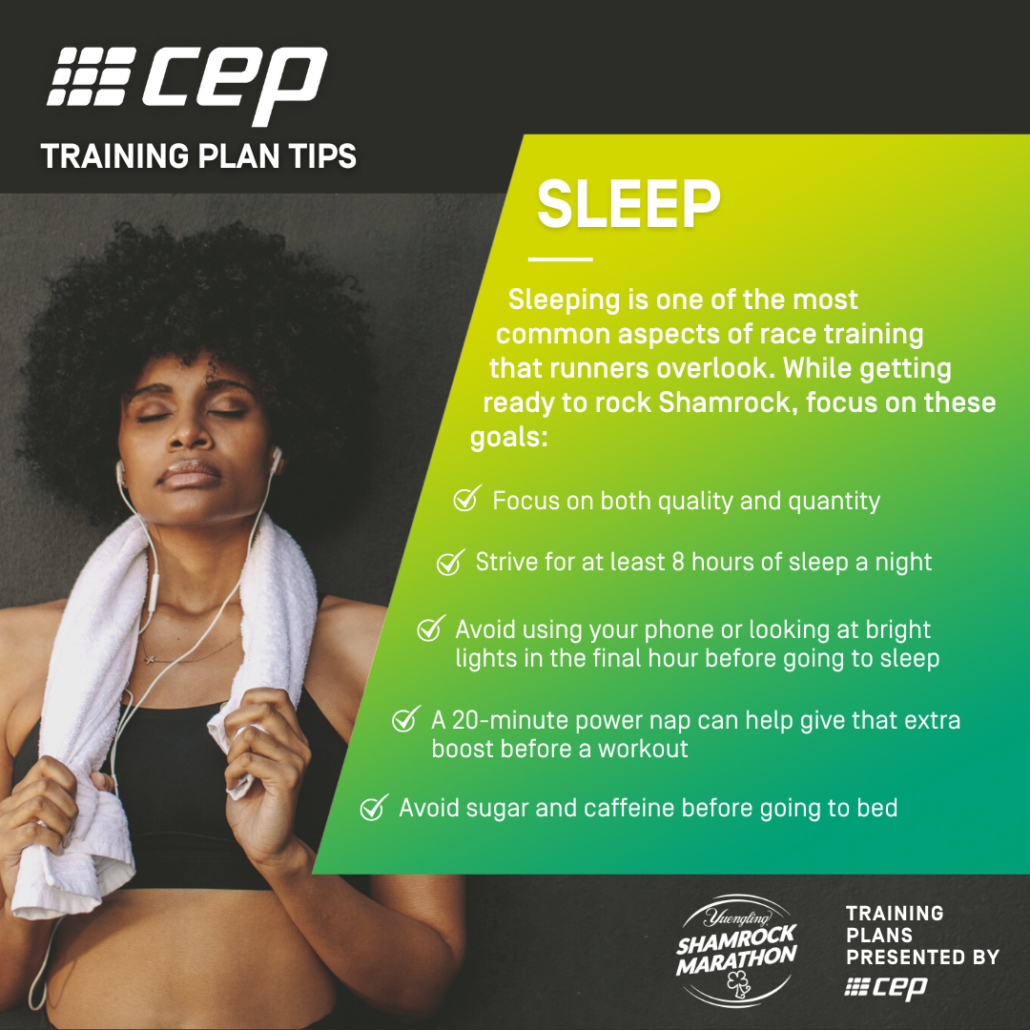
Maintaining a consistent sleep schedule is a cornerstone of recovery and performance for marathon runners. The body thrives on predictability, and a regular sleep-wake cycle optimizes hormone regulation, muscle repair, and overall well-being. This section focuses on how to establish and maintain a consistent sleep schedule, even amidst the demands of marathon training and travel.
Importance of a Regular Sleep-Wake Cycle for Marathon Runners
A consistent sleep schedule is vital for marathon runners because it directly impacts their physical and mental performance. It influences everything from energy levels and mood to the body’s ability to recover from strenuous workouts. A regular cycle helps to regulate the circadian rhythm, the body’s internal clock, which governs sleep and wakefulness.
- Hormonal Regulation: Consistent sleep supports the optimal release of hormones crucial for muscle repair and growth, such as growth hormone. It also helps regulate cortisol, the stress hormone, which can negatively impact performance and recovery if chronically elevated.
- Enhanced Recovery: Deep sleep stages are essential for physical recovery. During these stages, the body repairs muscle tissue, replenishes energy stores (glycogen), and consolidates memories.
- Improved Cognitive Function: A regular sleep schedule enhances cognitive function, including focus, concentration, and decision-making abilities, all critical during long runs and races.
- Mood and Mental Well-being: Consistent sleep patterns contribute to a more stable mood and reduce the risk of anxiety and depression, which can negatively impact training and race performance.
Establishing and Maintaining a Consistent Bedtime and Wake-Up Time
Creating a consistent sleep schedule requires discipline and commitment, but the benefits are well worth the effort. Sticking to a regular bedtime and wake-up time, even on weekends, is key to regulating the circadian rhythm.
- Determine Your Ideal Sleep Duration: Most marathon runners need 7-9 hours of sleep per night. Experiment to find your optimal sleep duration, considering individual needs and training load.
- Establish a Consistent Bedtime: Choose a bedtime that allows you to get your required sleep duration. Aim to go to bed at the same time every night, even on weekends, to regulate your circadian rhythm.
- Set a Consistent Wake-Up Time: Wake up at the same time every day, regardless of your training schedule or social activities. This reinforces your body’s natural sleep-wake cycle.
- Create a Relaxing Bedtime Routine: Develop a pre-sleep routine to signal to your body that it’s time to wind down. This could include a warm bath, reading a book, or listening to calming music. Avoid screens (phones, tablets, computers) at least an hour before bed.
- Monitor Your Sleep Quality: Use a sleep tracker or journal to monitor your sleep patterns. This can help identify any inconsistencies or factors affecting your sleep.
- Prioritize Sleep: Make sleep a non-negotiable part of your training plan. Treat sleep as important as your runs and workouts.
Strategies for Adjusting Sleep Schedules When Traveling
Traveling for races or training camps can disrupt your sleep schedule. However, with careful planning, you can minimize the negative effects of jet lag and sleep disruptions.
- Gradual Adjustment Before Travel: If possible, start adjusting your sleep schedule a few days before traveling to your destination. Gradually shift your bedtime and wake-up time to align with the new time zone. For example, if you are traveling to a location 3 hours ahead, start going to bed and waking up 30 minutes earlier each day, leading up to the trip.
- Optimize Your Travel Environment: Pack sleep essentials, such as a travel pillow, eye mask, and earplugs, to create a comfortable sleep environment.
- Manage Light Exposure: Light exposure is a powerful regulator of the circadian rhythm. During the flight, avoid bright lights and wear an eye mask. Once you arrive at your destination, expose yourself to sunlight during the day to help your body adjust to the new time zone.
- Time Your Meals: Eating meals at the local mealtimes can help synchronize your body clock. Avoid heavy meals close to bedtime.
- Stay Hydrated: Drink plenty of water to stay hydrated during travel. Dehydration can disrupt sleep.
- Consider Melatonin: Consult with your doctor about using melatonin supplements to help regulate your sleep cycle. Melatonin can be particularly helpful in adjusting to a new time zone.
- Nap Strategically: If you need to nap, keep it short (20-30 minutes) to avoid disrupting your nighttime sleep.
Pre-Sleep Rituals for Enhanced Sleep
As marathon training intensifies, the body and mind require optimal recovery to perform at their best. Establishing a consistent pre-sleep routine is crucial for signaling to your body that it’s time to rest. These rituals can significantly improve sleep quality, helping you fall asleep faster, stay asleep longer, and wake up feeling refreshed.
Relaxing Pre-Sleep Rituals to Improve Sleep Quality
Creating a calming pre-sleep routine can significantly improve your sleep. Consistency is key; aim to perform these rituals in the same order each night, about 30-60 minutes before bed, to maximize their effectiveness.
- Warm Bath or Shower: Taking a warm bath or shower before bed can help regulate your body temperature. As you exit the bath or shower, your body temperature naturally cools down, which signals to your brain that it’s time for sleep. This mimics the body’s natural cooling process that occurs before sleep.
- Reading: Reading a physical book (not on a screen) can be a relaxing activity. Choose a book with a calming or less stimulating plot to avoid over-activating your mind. Avoid thrillers or suspenseful stories.
- Listening to Calming Music: Soft, instrumental music or nature sounds can soothe your mind and body, preparing you for sleep. Avoid music with strong beats or lyrics that might keep you awake. Choose music with a slow tempo, around 60 beats per minute, which can help slow down your heart rate and promote relaxation.
- Drinking Herbal Tea: Certain herbal teas, such as chamomile or lavender tea, have natural calming properties that can promote relaxation and sleepiness. Avoid teas with caffeine.
- Light Stretching or Gentle Yoga: Performing gentle stretches or yoga poses can release tension in your muscles and improve blood circulation. Focus on poses that promote relaxation, such as child’s pose or legs-up-the-wall pose. Avoid strenuous exercise close to bedtime.
- Dimming the Lights: Reduce the brightness of lights in your home an hour or two before bed. This helps your body produce melatonin, the sleep hormone. Use dimmer switches or lamps with warm-toned bulbs.
- Avoiding Screen Time: The blue light emitted from electronic devices (phones, tablets, computers) can interfere with melatonin production. Avoid using these devices for at least an hour before bed. If you must use a screen, consider using a blue light filter.
Incorporating Mindfulness and Meditation into a Pre-Sleep Routine
Mindfulness and meditation can quiet the mind, reduce stress, and improve sleep quality. Practicing these techniques regularly can help you become more aware of your thoughts and feelings, allowing you to let go of worries that might keep you awake.
- Mindfulness Meditation: Mindfulness meditation involves focusing on the present moment without judgment. To practice, find a comfortable position, close your eyes, and focus on your breath. Notice the sensation of each inhale and exhale. When your mind wanders (and it will), gently bring your attention back to your breath. Start with short sessions (5-10 minutes) and gradually increase the duration.
- Guided Meditation: Guided meditations provide a structured approach to meditation, often with a narrator leading you through the process. There are numerous guided meditations available online or through apps, specifically designed for sleep. These meditations often focus on relaxation, visualization, and body awareness.
- Body Scan Meditation: A body scan meditation involves systematically bringing your attention to different parts of your body, noticing any sensations without judgment. This practice can help you become more aware of tension in your body and release it.
- Deep Breathing Exercises: Deep breathing exercises, such as diaphragmatic breathing (belly breathing), can help calm the nervous system and promote relaxation. Inhale deeply through your nose, allowing your belly to rise, and exhale slowly through your mouth.
- Journaling: Writing down your thoughts and feelings before bed can help clear your mind and reduce mental clutter. This can be especially helpful if you find yourself worrying or overthinking before sleep.
Using Progressive Muscle Relaxation Techniques to Promote Sleep
Progressive muscle relaxation (PMR) is a technique that involves tensing and then relaxing different muscle groups in your body. This process helps you become aware of muscle tension and learn how to release it, promoting physical relaxation and preparing your body for sleep.
- Find a Comfortable Position: Lie down in your bed in a comfortable position, with your arms at your sides.
- Start with Your Feet: Tense the muscles in your feet by curling your toes downwards. Hold the tension for about 5-10 seconds, and then release. Notice the feeling of relaxation as the muscles loosen.
- Move Up Your Body: Gradually work your way up your body, tensing and relaxing each muscle group. For example, tense your calf muscles, hold, and release. Then, tense your thigh muscles, hold, and release.
- Include Other Muscle Groups: Continue tensing and releasing muscle groups such as your abdomen, chest, back, hands, arms, shoulders, neck, and face.
- Focus on Breathing: As you release each muscle group, focus on your breath. Inhale deeply as you tense the muscles and exhale slowly as you release them.
- Repeat as Needed: Repeat the process as many times as needed until you feel relaxed and ready to sleep.
Nutrition and Hydration for Better Sleep
Proper nutrition and hydration are critical components of a successful marathon training regimen, and they play a significant role in sleep quality. What you eat and drink can either support or sabotage your ability to fall asleep, stay asleep, and wake up feeling refreshed. Understanding the connection between food, fluids, and sleep can help you optimize your recovery and performance.
Foods That Promote Sleep
Certain foods contain nutrients and compounds that can aid in sleep. Incorporating these into your diet, especially closer to bedtime, may improve your sleep quality.
- Tryptophan-Rich Foods: Tryptophan is an amino acid that the body uses to produce serotonin and melatonin, hormones that regulate sleep. Examples include:
- Turkey: A classic example, often associated with post-Thanksgiving sleepiness.
- Chicken
- Dairy products (milk, yogurt, cheese): The calcium in dairy products also contributes to sleep.
- Nuts and seeds (almonds, walnuts, pumpkin seeds): These are also sources of magnesium, which can promote relaxation.
- Complex Carbohydrates: Eating complex carbohydrates with a small amount of protein can help stabilize blood sugar levels throughout the night, preventing sleep disruptions. Examples:
- Whole-grain bread
- Oatmeal
- Sweet potatoes
- Foods Rich in Melatonin: While your body naturally produces melatonin, consuming foods that contain it can give your sleep a boost. Examples:
- Tart cherries: Studies have shown that tart cherry juice can improve sleep duration and quality.
- Kiwi: Eating kiwi before bed has been linked to improved sleep onset and duration.
- Magnesium-Rich Foods: Magnesium helps regulate neurotransmitters involved in sleep. Examples:
- Leafy green vegetables (spinach, kale)
- Avocados
- Bananas
Foods and Substances to Avoid Before Bed
Certain foods and beverages can interfere with sleep, making it harder to fall asleep or causing you to wake up during the night.
- Caffeine: A stimulant that can stay in your system for several hours, making it difficult to fall asleep. This includes coffee, tea, energy drinks, and some sodas. Avoid caffeine at least 4-6 hours before bedtime.
- Alcohol: While alcohol might make you feel sleepy initially, it disrupts sleep later in the night, leading to fragmented sleep and reduced REM sleep.
- Heavy, Fatty Foods: These can be difficult to digest, leading to discomfort and potentially heartburn, which can disrupt sleep. Avoid large meals close to bedtime.
- Spicy Foods: Spicy foods can cause heartburn and indigestion, which can interfere with sleep.
- Sugary Foods: Sugary foods can cause blood sugar spikes and crashes, potentially disrupting sleep.
Pre-Bedtime Snack Guidance
A small, well-chosen snack before bed can be beneficial for sleep, especially if you are feeling hungry. The goal is to provide nutrients without overeating or causing digestive issues.
- Timing: Aim to eat your snack about 1-2 hours before bedtime. This allows your body time to digest the food.
- Content: Focus on a combination of complex carbohydrates and a small amount of protein. Consider the following examples:
- A small bowl of oatmeal with a few almonds.
- A slice of whole-grain toast with a small amount of peanut butter.
- A small serving of yogurt with berries.
- Portion Size: Keep the snack small to avoid overeating and digestive discomfort. A good guideline is around 150-200 calories.
- Avoid: Steer clear of sugary, caffeinated, or high-fat snacks.
The Role of Hydration in Sleep Quality
Adequate hydration is essential for overall health, and it also plays a critical role in sleep quality. Dehydration can lead to sleep disturbances, while proper hydration supports the body’s natural sleep processes.
- Why Hydration Matters:
- Temperature Regulation: Your body regulates its temperature during sleep. Being properly hydrated helps this process.
- Waste Removal: Hydration aids in flushing out toxins, which can contribute to better sleep.
- Electrolyte Balance: Hydration helps maintain the balance of electrolytes, which are important for various bodily functions, including sleep.
- Recommendations for Fluid Intake:
- During the Day: Aim to drink water consistently throughout the day. Listen to your body’s thirst cues. The general recommendation is to drink at least eight 8-ounce glasses of water per day, but this can vary depending on your activity level and individual needs.
- Before Bed: It’s important to be adequately hydrated before bed, but avoid drinking large amounts of fluids right before going to sleep to minimize nighttime bathroom trips. A good strategy is to sip water throughout the evening.
- Electrolyte Drinks: If you’re sweating a lot during training, consider using electrolyte-rich drinks to replace lost fluids and electrolytes. This is especially important during marathon training.
- Signs of Dehydration:
- Dark urine
- Thirst
- Fatigue
- Headaches
If you experience these symptoms, increase your fluid intake.
Managing Training and Sleep

Balancing peak marathon training with adequate sleep is a delicate dance, crucial for both performance and overall health. Training schedules significantly influence sleep quality and duration. Strategically planning workouts around your sleep needs can greatly improve your ability to recover and perform at your best. This section focuses on practical strategies to harmonize your training regimen with your sleep schedule.
Scheduling Training Sessions to Optimize Sleep
The timing of your training sessions directly impacts your sleep patterns. Carefully considering when you schedule your runs, especially during peak training, can make a significant difference.
- Morning Runs: Scheduling runs early in the morning can be beneficial, as they can help regulate your circadian rhythm, making it easier to fall asleep at night. However, ensure you are allowing enough time for your body to wake up and fuel before starting your workout.
- Afternoon Runs: Afternoon runs offer a balance, allowing for recovery time before bed. This timing can be ideal for many runners, provided the intensity is not excessively high close to bedtime.
- Evening Runs: Evening workouts, particularly intense ones, can interfere with sleep. The elevated heart rate and body temperature can make it harder to fall asleep.
Comparing Training Times and Their Impact on Sleep
Different training times affect sleep differently. The following table compares morning, afternoon, and evening training sessions and their potential impact on sleep.
| Training Time | Potential Benefits | Potential Drawbacks | Recommendations |
|---|---|---|---|
| Morning |
|
|
|
| Afternoon |
|
|
|
| Evening |
|
|
|
Adjusting Training Intensity and Volume to Accommodate Sleep Needs
Adjusting training intensity and volume is essential for ensuring you get enough sleep, especially during peak marathon training. Overreaching, or consistently exceeding your body’s capacity to recover, can lead to sleep disturbances.
- Listen to Your Body: Pay attention to signs of overtraining, such as increased fatigue, decreased performance, and difficulty sleeping.
- Incorporate Rest Days: Schedule regular rest days to allow your body to recover and catch up on sleep. A rest day every week, or more frequently during high-volume training, is recommended.
- Modify Workout Intensity: During periods of high training volume, consider reducing the intensity of some workouts. For example, substitute a hard interval session with an easy recovery run.
- Prioritize Sleep: Make sleep a non-negotiable part of your training plan. Aim for 7-9 hours of quality sleep each night.
- Example: A runner experiencing sleep disturbances might reduce their weekly mileage by 10-15% and increase the number of easy runs to allow for better recovery. This adjustment can improve sleep quality and overall well-being.
Addressing Common Sleep Problems
Marathon training, while incredibly rewarding, can sometimes disrupt sleep patterns. Understanding and addressing these common sleep issues is crucial for runners to optimize recovery, performance, and overall well-being. This section delves into the specific sleep challenges marathon runners might face, offering practical strategies to overcome them and highlighting when professional help is necessary.
Common Sleep Disorders in Marathon Runners
Marathon runners, due to the physical and mental demands of their training, are susceptible to several sleep disorders. Recognizing these disorders is the first step towards effective management.
- Insomnia: This is characterized by difficulty falling asleep, staying asleep, or waking up too early, despite having adequate opportunity to sleep. Stress, overtraining, and changes in training schedules can all contribute to insomnia.
- Sleep Apnea: This serious condition involves repeated pauses in breathing during sleep. While less common in lean, active individuals, sleep apnea can still occur. Symptoms include loud snoring, gasping for air during sleep, and excessive daytime sleepiness.
- Restless Legs Syndrome (RLS): This neurological disorder causes an irresistible urge to move the legs, often accompanied by uncomfortable sensations like tingling, itching, or crawling. It can significantly disrupt sleep. Iron deficiency is a common contributing factor.
- Delayed Sleep-Wake Phase Disorder (DSWPD): This involves a misalignment between the body’s natural sleep-wake cycle and the desired sleep schedule. Marathon runners with demanding training schedules might find themselves struggling to fall asleep at conventional bedtimes.
Strategies for Managing Insomnia and Other Sleep Disturbances
Managing sleep problems often requires a multi-faceted approach, combining behavioral changes with, in some cases, medical interventions. The following strategies can be helpful.
- Optimize Sleep Hygiene: Adhering to the principles of good sleep hygiene is fundamental. This includes maintaining a consistent sleep schedule, creating a relaxing bedtime routine, ensuring a comfortable sleep environment (dark, quiet, cool), and avoiding caffeine and alcohol close to bedtime.
- Manage Training Load: Overtraining can significantly impact sleep. Ensure that training intensity and volume are gradually increased, and incorporate adequate rest and recovery days. Pay attention to the signals your body sends, such as persistent fatigue or difficulty sleeping. Consider periodization, which involves systematically varying training intensity and volume over time to prevent overtraining.
- Cognitive Behavioral Therapy for Insomnia (CBT-I): CBT-I is a structured program that helps identify and change negative thoughts and behaviors that contribute to insomnia. It can be highly effective in improving sleep quality. A qualified therapist can guide you through the process.
- Relaxation Techniques: Practices like deep breathing exercises, meditation, and progressive muscle relaxation can help calm the mind and body, making it easier to fall asleep. Consider incorporating these techniques into your pre-sleep routine.
- Address Underlying Medical Conditions: If sleep apnea, RLS, or other medical conditions are suspected, seek medical evaluation and treatment. This may involve CPAP therapy for sleep apnea, iron supplementation for RLS (if iron deficient), or medication as prescribed by a healthcare professional.
- Consider Melatonin Supplementation: Melatonin, a hormone that regulates the sleep-wake cycle, can be helpful for some individuals, particularly those with DSWPD or experiencing jet lag. However, it’s important to consult with a healthcare provider before taking melatonin.
When to Seek Professional Help for Sleep Problems
While many sleep issues can be managed with lifestyle adjustments, some situations warrant professional evaluation. Knowing when to seek help is critical.
- Persistent Insomnia: If you experience insomnia for more than a few weeks, despite implementing sleep hygiene measures, it’s time to consult a doctor or sleep specialist.
- Excessive Daytime Sleepiness: If you’re constantly feeling tired during the day, even after getting what you believe is adequate sleep, this could be a sign of an underlying sleep disorder like sleep apnea.
- Loud Snoring and Gasping for Air: These symptoms, especially if accompanied by daytime sleepiness or fatigue, are suggestive of sleep apnea and require medical attention.
- Symptoms of Restless Legs Syndrome: If you experience uncomfortable sensations in your legs that disrupt your sleep, consult a doctor to determine the cause and appropriate treatment.
- Difficulty with Daily Functioning: If sleep problems are significantly impacting your ability to function at work, school, or in your training, seeking professional help is essential.
- Suspected Sleep Disorder: If you suspect you have a sleep disorder, such as sleep apnea or narcolepsy, a sleep study might be necessary to confirm the diagnosis and guide treatment.
The Role of Technology in Sleep

Technology offers numerous tools that can both help and hinder sleep, particularly for marathon runners. Understanding how to harness the benefits while mitigating the drawbacks is crucial for optimizing rest and recovery. Sleep trackers, in particular, have become increasingly popular, but their usefulness depends on responsible implementation.
Sleep Trackers: Benefits and Drawbacks
Sleep trackers can provide valuable insights into sleep patterns, but they also come with potential downsides. The key is to use them strategically.
- Potential Benefits: Sleep trackers can offer detailed data on sleep stages (light, deep, REM), sleep duration, and sleep efficiency. This information can help runners identify patterns and potential issues affecting their sleep. For instance, if a runner consistently gets less deep sleep after a long run, they can adjust their recovery strategies. They can also provide a baseline for measuring the effectiveness of sleep interventions, such as changes in pre-sleep routines or dietary adjustments.
Some trackers also offer insights into heart rate variability (HRV), which can be an indicator of recovery and stress levels.
- Potential Drawbacks: Over-reliance on sleep trackers can lead to anxiety and stress. Focusing too much on the numbers can create a pressure to achieve perfect sleep scores, which can paradoxically worsen sleep quality. Additionally, the accuracy of sleep trackers can vary. While some high-end models offer fairly reliable data, cheaper devices may provide less accurate readings, especially for sleep stages. Finally, the blue light emitted by some devices can disrupt sleep if used before bed.
Comparison of Sleep Tracking Devices
Several sleep tracking devices are available, each with its own features and capabilities. This table provides a comparison of some popular options.
| Device | Features | Accuracy | Price Range | |
|---|---|---|---|---|
| Fitbit (Various Models) | Tracks sleep stages, heart rate, sleep duration, and sleep efficiency. Provides insights into sleep patterns through the app. Some models also include smart alarm features and SpO2 tracking. | Generally accurate for overall sleep duration and sleep stages, but may be less precise than medical-grade devices. | $80 – $300 | |
| Apple Watch (Various Models) | Tracks sleep duration, sleep stages, heart rate, and respiratory rate. Offers sleep analysis through the native Sleep app and third-party apps. Includes smart alarm features. | Accurate for sleep duration and offers good data on heart rate and respiratory rate during sleep. Accuracy of sleep stage tracking can vary. | $200 – $800 | |
| WHOOP | Focuses on recovery and strain, using data on sleep, heart rate variability (HRV), and resting heart rate. Provides daily strain scores and recovery scores. | Highly accurate for measuring HRV and sleep duration. Focuses on overall recovery metrics. | Requires a monthly subscription. Device cost is usually included in the subscription fee. | $30/month (subscription) |
| Oura Ring | Tracks sleep stages, heart rate, heart rate variability (HRV), and body temperature. Provides insights into sleep quality, recovery, and readiness. Offers personalized recommendations. | Accurate for sleep duration, sleep stages, HRV, and body temperature. Considered one of the more accurate consumer sleep trackers. | $300 – $400 |
Responsible Use of Technology for Sleep
To avoid sleep disruption from technology, runners should adopt responsible usage habits. This involves setting boundaries and prioritizing sleep hygiene.
- Establish a Digital Curfew: Set a specific time each night to power down all electronic devices, including phones, tablets, and laptops. Aim to avoid screen time for at least an hour before bed.
- Use Night Mode and Blue Light Filters: Activate night mode or blue light filters on all devices to reduce the amount of blue light emitted. This helps to minimize the disruption of melatonin production.
- Charge Devices Away from the Bed: Avoid keeping devices in the bedroom, especially while charging. This minimizes the temptation to use them and reduces exposure to electromagnetic fields.
- Use Sleep Trackers Strategically: Use sleep trackers as a tool to gain insights, not as a source of anxiety. Regularly review the data, but avoid obsessing over the numbers. If you find yourself becoming overly concerned about sleep scores, consider taking a break from the tracker.
- Prioritize Sleep Hygiene: Combine the responsible use of technology with good sleep hygiene practices, such as maintaining a consistent sleep schedule, creating a relaxing pre-sleep routine, and optimizing the sleep environment.
- Consult Professionals: If you have persistent sleep problems, consult with a healthcare professional or a sleep specialist. They can provide personalized advice and rule out any underlying medical conditions.
Supplements and Medications for Sleep

As a marathon runner, prioritizing sleep is crucial for recovery and performance. While optimizing your sleep hygiene is the primary approach, sometimes additional support is needed. This section explores the use of supplements and medications for sleep, emphasizing their potential benefits, risks, and the importance of consulting with a healthcare professional.
Potential Benefits and Risks of Sleep Aids
Sleep aids can offer temporary relief from sleep disturbances, but it’s essential to understand their potential advantages and disadvantages. Over-the-counter (OTC) and prescription options exist, each with varying mechanisms of action and side effects.
Benefits:
- Improved Sleep Onset: Some medications can help you fall asleep faster.
- Reduced Wakefulness: Certain drugs may decrease the number of times you wake up during the night.
- Enhanced Sleep Quality: Some medications can increase the amount of time spent in deep, restorative sleep.
Risks:
- Side Effects: Common side effects can include daytime drowsiness, dizziness, and cognitive impairment.
- Tolerance: With prolonged use, the effectiveness of some sleep aids may diminish, requiring higher doses.
- Dependence: Some medications can lead to physical or psychological dependence.
- Rebound Insomnia: Stopping certain sleep aids can worsen insomnia temporarily.
- Interactions: Sleep aids can interact with other medications, potentially causing adverse effects.
Important Considerations:
Always discuss the potential risks and benefits with your doctor before using any sleep aid. They can assess your individual needs and medical history to determine the most appropriate course of action.
Natural Sleep Aids and Their Effectiveness
Several natural supplements are promoted for sleep. Their effectiveness varies, and research is ongoing. It is crucial to approach these options with realistic expectations and consult a healthcare professional before use, especially if you are taking other medications.
Here’s a look at some common natural sleep aids:
- Melatonin: A hormone that regulates the sleep-wake cycle. It may be helpful for jet lag or shift work sleep disorder. Research suggests it can slightly reduce the time it takes to fall asleep and increase total sleep time.
- Valerian Root: An herb that may improve sleep quality and reduce the time it takes to fall asleep. Studies have shown mixed results.
- Chamomile: A gentle herb that may have calming effects. Drinking chamomile tea before bed is a common practice. Some studies suggest it may improve sleep quality.
- Magnesium: A mineral involved in many bodily functions, including sleep regulation. Magnesium deficiency can contribute to sleep problems. Supplementing may help, but more research is needed.
- Lavender: The scent of lavender is believed to have relaxing properties. Using lavender essential oil in aromatherapy or as a tea may promote relaxation and improve sleep.
Effectiveness:
The effectiveness of natural sleep aids varies. Some people experience noticeable benefits, while others do not. The evidence supporting their effectiveness is often less robust than for prescription medications. It’s essential to be patient and consistent when trying a natural sleep aid and to monitor its effects.
Consulting with a Healthcare Professional
Before using any sleep-related supplements or medications, it is critical to consult with a healthcare professional. They can evaluate your sleep problems, identify any underlying medical conditions, and determine the safest and most effective approach.
Why Consultation is Crucial:
- Diagnosis: A healthcare professional can diagnose the cause of your sleep problems.
- Medication Review: They can review your current medications to identify potential interactions.
- Personalized Recommendations: They can recommend the most appropriate sleep aids based on your individual needs.
- Monitoring: They can monitor your progress and adjust your treatment plan as needed.
What to Discuss:
- Your sleep history: Be prepared to discuss your sleep patterns, including when you go to bed, wake up, and any difficulties you experience.
- Your medical history: Inform your doctor about any existing medical conditions or medications you are taking.
- Your lifestyle: Discuss your training schedule, diet, and any other lifestyle factors that may affect your sleep.
Example Scenario:
A marathon runner experiencing persistent insomnia might consult their doctor. After a thorough evaluation, the doctor might rule out underlying medical conditions and suggest improving sleep hygiene. If those measures are insufficient, the doctor might recommend melatonin or a short course of a prescription sleep aid, carefully monitoring for side effects and effectiveness.
Recovery and Sleep
Marathon training is a significant physical undertaking, placing immense stress on the body. Adequate recovery is paramount to prevent injuries, improve performance, and ensure overall well-being. Sleep plays a central role in this recovery process, acting as a crucial time for the body to repair and rebuild itself. Integrating sleep strategically into a recovery plan is not just beneficial; it’s essential for thriving during marathon training.
Connection Between Sleep and Muscle Recovery
Sleep is when the majority of muscle repair and growth occurs. During deep sleep, the body releases growth hormone, which is vital for muscle repair, protein synthesis, and the regeneration of tissues damaged during intense training. Insufficient sleep significantly impairs these processes, hindering muscle recovery and increasing the risk of injury.* Growth Hormone Release:
Growth hormone is released in pulses during deep sleep, particularly in the early hours of the night.
This hormone stimulates muscle repair and growth.* Protein Synthesis: Sleep promotes protein synthesis, which is the process of building and repairing muscle fibers. Without adequate sleep, protein synthesis is diminished, leading to slower recovery and reduced muscle strength.* Glycogen Replenishment: Glycogen, the stored form of glucose, is depleted during marathon training. Sleep helps replenish glycogen stores, providing energy for future workouts.* Reduced Inflammation: Sleep helps regulate inflammatory responses.
During sleep, the body produces anti-inflammatory cytokines, which help reduce muscle soreness and speed up recovery. Conversely, sleep deprivation increases inflammation.
Recovery Plan Incorporating Sleep
A comprehensive recovery plan should prioritize sleep as a core element. This plan should be tailored to individual needs, considering factors like training intensity, age, and overall health.* Prioritize Sleep Duration: Aim for 7-9 hours of quality sleep per night. During peak training, consider increasing sleep duration to 9-10 hours to further support recovery.* Consistent Sleep Schedule: Maintain a consistent sleep-wake cycle, even on weekends.
This helps regulate the body’s natural sleep-wake rhythm (circadian rhythm), promoting better sleep quality.* Pre-Sleep Routine: Establish a relaxing pre-sleep routine to signal the body that it’s time to sleep. This might include a warm bath, reading a book, or listening to calming music.* Optimize the Sleep Environment: Ensure the bedroom is dark, quiet, and cool.
Use blackout curtains, earplugs, or a white noise machine if needed.* Strategic Naps: Short naps (20-30 minutes) can be beneficial, particularly after hard workouts. Avoid long naps, as they can disrupt nighttime sleep.* Active Recovery: Incorporate active recovery methods, such as light walking, swimming, or yoga, on rest days. These activities promote blood flow, aiding in muscle recovery.* Nutrition and Hydration: Consume a balanced diet rich in protein and carbohydrates to support muscle repair and glycogen replenishment.
Stay adequately hydrated throughout the day.* Listen to Your Body: Pay attention to signs of fatigue and adjust training accordingly. Don’t hesitate to take extra rest days when needed.
Benefits of Sleep for Reducing Inflammation and Improving Health
Sleep is a powerful anti-inflammatory agent, crucial for managing the physical demands of marathon training and supporting overall health. Chronic inflammation can hinder recovery, increase the risk of injuries, and impair performance.* Reduced Muscle Soreness: Adequate sleep reduces muscle soreness (DOMS – Delayed Onset Muscle Soreness) after intense workouts.* Improved Immune Function: Sleep strengthens the immune system, making the body less susceptible to illness.
Marathon training can temporarily suppress immune function; sleep helps mitigate this effect.* Enhanced Cognitive Function: Sleep improves cognitive function, including focus, concentration, and decision-making. This is essential for making smart training choices and avoiding overtraining.* Mood Regulation: Sleep helps regulate mood and reduce stress levels. Chronic sleep deprivation can lead to increased anxiety and depression.* Cardiovascular Health: Adequate sleep supports cardiovascular health by helping to regulate blood pressure and reduce the risk of heart disease.* Hormonal Balance: Sleep plays a critical role in regulating hormones, including cortisol (the stress hormone) and insulin (which affects blood sugar levels).* Example: A study published in theJournal of Strength and Conditioning Research* found that athletes who slept for at least eight hours per night experienced significantly less muscle soreness and improved performance compared to those who slept less.
Final Wrap-Up
In conclusion, achieving quality sleep during peak marathon training is a multifaceted endeavor, requiring a holistic approach. By understanding your sleep needs, optimizing your environment, establishing consistent routines, and addressing potential challenges, you can unlock the full potential of your training. Remember that sleep is not just about rest; it’s a vital component of recovery, performance, and overall health. Implement these strategies, prioritize your sleep, and you’ll be well on your way to a successful and fulfilling marathon experience.
Sweet dreams and happy running!