Discover the power of foam rolling to unlock muscle relief and enhance your fitness journey! This guide dives into the world of self-myofascial release, showing you how a simple foam roller can be your secret weapon against muscle tightness and soreness. We’ll explore the history, benefits, and common misconceptions surrounding this popular recovery technique, making it easy for you to understand and apply.
From understanding the root causes of muscle tightness to selecting the perfect foam roller for your needs, we’ll equip you with the knowledge to roll with confidence. Learn how to target specific muscle groups, master the correct techniques, and integrate foam rolling into your routine for optimal results. Get ready to say goodbye to discomfort and hello to a more flexible, mobile, and energized you!
Introduction to Foam Rolling
Foam rolling, also known as self-myofascial release (SMR), has become a popular technique for athletes, fitness enthusiasts, and anyone seeking to improve muscle recovery and flexibility. This guide will provide a comprehensive overview of foam rolling, its origins, and its benefits, while dispelling common myths.Foam rolling is a self-administered technique that involves using a cylindrical foam roller to apply pressure to muscles, aiming to release muscle tightness, reduce pain, and improve range of motion.
It is a form of self-massage that targets the fascia, the connective tissue that surrounds muscles, bones, and organs.
What Foam Rolling Is and Its Benefits
Foam rolling involves applying pressure to muscles and fascia using a foam roller. This pressure helps to break up adhesions and knots, improve blood flow, and reduce muscle soreness.The benefits of foam rolling are numerous and well-documented. These include:
- Improved Flexibility and Range of Motion: By releasing muscle tightness, foam rolling can increase the flexibility of muscles and the range of motion of joints. Studies have shown significant improvements in joint range of motion after foam rolling.
- Reduced Muscle Soreness: Foam rolling can help reduce delayed-onset muscle soreness (DOMS), the pain and stiffness that often occur after exercise. Research indicates that foam rolling can lessen the intensity of DOMS.
- Enhanced Muscle Recovery: Foam rolling can promote faster muscle recovery by increasing blood flow and reducing inflammation. Increased blood flow delivers oxygen and nutrients to muscles, aiding in repair.
- Increased Blood Flow: Applying pressure with a foam roller stimulates blood flow to the targeted areas. Enhanced circulation can accelerate recovery and promote healing.
- Reduced Trigger Points: Foam rolling can help to release trigger points, which are sensitive areas within muscles that can cause pain and referral patterns. Releasing these trigger points can alleviate pain and improve muscle function.
History and Evolution of Foam Rolling
The origins of foam rolling can be traced back to the field of physical therapy and athletic training. It evolved from techniques used by therapists to address muscle imbalances and improve movement patterns.The use of foam rollers has evolved significantly over time. Early foam rollers were often basic cylinders, but today, there are various types, shapes, and densities available to target different muscle groups and provide varying levels of pressure.The evolution of foam rolling includes:
- Early Adaptations: Initially, foam rolling was used primarily by physical therapists and athletic trainers. They used basic cylindrical foam rollers to manually release muscle tension and improve flexibility.
- Popularization in Fitness: The practice gained popularity within the fitness community as more people sought effective ways to improve muscle recovery and performance. This led to a broader adoption of foam rolling as a self-care practice.
- Technological Advancements: The development of various types of foam rollers, including textured, vibrating, and specialized rollers, has provided more targeted and effective self-massage options. These advancements have allowed users to customize their foam rolling experience to suit their individual needs.
- Research and Validation: As foam rolling became more widespread, research began to validate its effectiveness. Studies have demonstrated the benefits of foam rolling in terms of flexibility, muscle soreness reduction, and improved performance.
Common Misconceptions About Foam Rolling
There are several misconceptions surrounding foam rolling that can lead to confusion and incorrect application of the technique. Understanding these misconceptions is crucial for using foam rolling safely and effectively.Common misconceptions include:
- Foam Rolling Breaks Up Scar Tissue: While foam rolling can improve muscle function and reduce pain, it does not break up scar tissue. Scar tissue is a more complex structure that requires specialized treatment.
- More Pain Means More Benefit: The level of pain experienced during foam rolling should be manageable. Excessive pain can be counterproductive and may lead to injury.
- Foam Rolling Replaces Stretching: Foam rolling is a complementary technique to stretching. It can improve flexibility, but it does not replace the benefits of static or dynamic stretching.
- Foam Rolling Is Only for Athletes: Anyone can benefit from foam rolling, regardless of their fitness level. It is a useful tool for improving muscle recovery, reducing pain, and enhancing overall well-being.
- Foam Rolling is the Only Way to Improve Muscle Recovery: Foam rolling is one tool among many for muscle recovery. Adequate rest, proper nutrition, and other recovery modalities, such as massage or contrast therapy, are equally important.
Understanding Muscle Tightness
Muscle tightness is a common experience, often described as a feeling of restriction or stiffness in a muscle. It can limit your range of motion, cause discomfort, and even contribute to pain. Understanding the nature of muscle tightness is the first step in effectively addressing it.
Defining Muscle Tightness and Its Causes
Muscle tightness refers to a state where a muscle feels shortened, stiff, and resistant to stretching. This can result from a variety of factors, often working in combination.
- Overuse and Repetitive Movements: Repeatedly performing the same motions, especially without adequate rest or recovery, can lead to muscle fatigue and tightness. For instance, a marathon runner might experience tightness in their hamstrings and calves due to the repetitive stress of running.
- Poor Posture: Maintaining poor posture for extended periods can cause muscles to shorten and adapt to the incorrect position. This is frequently seen in office workers who spend hours sitting at a desk with rounded shoulders and a forward head posture, leading to tightness in the chest and neck muscles.
- Lack of Physical Activity: A sedentary lifestyle can contribute to muscle tightness. When muscles are not regularly used and stretched, they can become stiff and lose flexibility.
- Muscle Imbalances: When some muscle groups are stronger than others, it can lead to imbalances that pull the body out of alignment, placing extra strain on certain muscles and causing tightness. An example would be tight hip flexors in individuals with weak glutes.
- Dehydration and Electrolyte Imbalances: Adequate hydration is crucial for muscle function. Dehydration and electrolyte imbalances can contribute to muscle cramps and tightness.
- Stress: Physical and emotional stress can cause muscles to tense up, leading to chronic tightness. This is a common reason why people hold tension in their shoulders and neck during stressful periods.
- Injury: Muscle injuries, such as strains or sprains, can lead to protective muscle guarding and tightness as the body tries to stabilize the injured area.
Differentiating Muscle Soreness and Muscle Tightness
While both muscle soreness and muscle tightness can cause discomfort, they have distinct characteristics and underlying causes. Recognizing the difference is important for appropriate treatment.
- Muscle Soreness: Often occurs 24-72 hours after intense or unaccustomed exercise. It is characterized by pain, tenderness, and sometimes swelling. This type of soreness is often referred to as Delayed Onset Muscle Soreness (DOMS) and is a result of microscopic muscle damage.
- Muscle Tightness: Feels like a restricted range of motion, stiffness, and a feeling of the muscle being shortened. The discomfort might be more localized and doesn’t necessarily follow a specific exercise or activity. It often develops gradually over time due to factors such as poor posture or repetitive movements.
- Overlap: It is possible to experience both muscle soreness and tightness simultaneously. For example, after a strenuous workout, you might feel both the pain of DOMS and the tightness caused by muscle fatigue and overuse.
Types of Muscle Tightness
Muscle tightness can manifest in different forms, with varying degrees of severity and distinct characteristics. Understanding these variations can help tailor your approach to treatment.
- Muscle Knots (Myofascial Trigger Points): These are localized, hyperirritable spots within a taut band of muscle. They are often described as small, palpable nodules that can cause pain when pressed, and can also refer pain to other areas of the body. For example, a trigger point in the upper trapezius muscle (shoulder) might refer pain to the head, causing headaches.
- General Muscle Tightness: This refers to a broader feeling of stiffness and restriction in a muscle or group of muscles, without specific palpable knots. This can be caused by overuse, poor posture, or lack of activity.
- Fascial Restrictions: The fascia is a connective tissue that surrounds and supports muscles. Restrictions in the fascia can contribute to muscle tightness and limit movement.
Choosing the Right Foam Roller
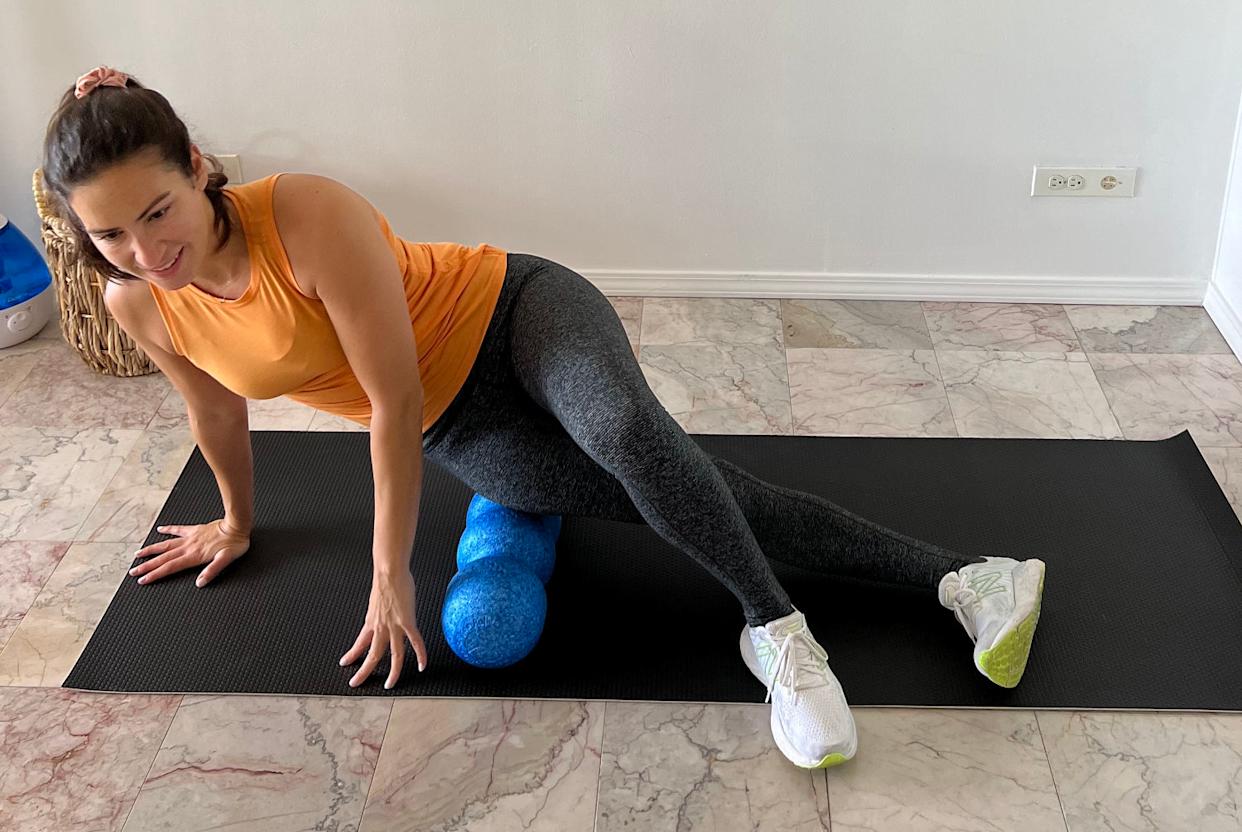
Finding the perfect foam roller can significantly enhance your recovery and mobility. With a variety of options available, understanding the differences between them is crucial for maximizing the benefits of foam rolling. This section will guide you through the various types of foam rollers, their pros and cons, and how to choose the one that best suits your individual needs and fitness goals.
Different Types of Foam Rollers
The market offers several foam roller types, each designed to cater to different preferences and needs. Understanding these variations will help you make an informed decision.Smooth Foam Rollers: These are the most basic and typically the least expensive option. They feature a solid, cylindrical design without any surface texture. They’re often made of high-density foam.
- Pros:
- Suitable for beginners.
- Provide a general, consistent massage.
- Easy to clean and maintain.
- Often more durable than textured rollers.
- Cons:
- May not provide as intense a massage as textured rollers.
- Can feel less effective for targeting specific trigger points.
Textured Foam Rollers: These rollers have raised bumps, ridges, or grids on their surface. The texture is designed to mimic the hands of a massage therapist, providing a more targeted and intense massage.
- Pros:
- Offer a more intense and targeted massage.
- Can help break up knots and adhesions more effectively.
- Provide a deeper tissue massage.
- Cons:
- May be too intense for beginners or those with sensitive muscles.
- Can be less comfortable than smooth rollers.
- May be more expensive.
Vibrating Foam Rollers: These rollers combine the benefits of foam rolling with vibration therapy. They typically offer multiple vibration settings to customize the massage intensity.
- Pros:
- Enhance blood flow and circulation.
- Can reduce muscle soreness and speed up recovery.
- Offer customizable intensity levels.
- Cons:
- Are generally the most expensive type of foam roller.
- Require charging.
- Can be too intense for some individuals, especially at higher vibration settings.
Half Foam Rollers: These are half-cylinder shaped rollers, often used for balance exercises and to target specific muscle groups with greater precision.
- Pros:
- Good for beginners and balance training.
- Safer for certain exercises.
- Can target specific areas more easily.
- Cons:
- Limited range of motion compared to full rollers.
- May not be suitable for all exercises.
Comparing the Pros and Cons of Each Type
Each type of foam roller presents a unique set of advantages and disadvantages. This comparison will help you assess which type aligns best with your needs and experience level.
| Type | Pros | Cons |
|---|---|---|
| Smooth | Beginner-friendly, Durable, Easy to clean | Less intense massage, May not target trigger points effectively |
| Textured | Intense massage, Targets trigger points, Deep tissue massage | May be too intense, Less comfortable for some |
| Vibrating | Enhances blood flow, Reduces soreness, Customizable intensity | Most expensive, Requires charging, Can be too intense |
| Half Roller | Good for balance, Safer for certain exercises, Targets specific areas | Limited range of motion, May not be suitable for all exercises |
Guide to Choosing the Appropriate Foam Roller
Selecting the right foam roller involves considering your fitness level, pain tolerance, and specific goals. This guide offers a step-by-step approach to help you make the best choice.
1. Assess Your Fitness Level and Experience
If you’re new to foam rolling, start with a smooth roller. These are less intense and allow your body to gradually adapt to the sensation.
2. Consider Your Pain Tolerance
If you have a low pain tolerance or sensitive muscles, a smooth roller or a low-intensity textured roller is a good starting point. Avoid high-density or very textured rollers initially.
3. Identify Your Goals
- For general muscle soreness and overall recovery, a smooth roller is often sufficient.
- If you’re looking to target specific trigger points and knots, a textured roller is a better choice.
- For enhanced recovery and increased blood flow, a vibrating roller can be beneficial, but start with a low setting.
4. Consider the Intensity
Start with a lower intensity and gradually increase it as your muscles adapt.
5. Think About the Area to be Targeted
A full-size roller is suitable for larger muscle groups, while a half-roller or smaller foam roller can be used for more targeted areas.
6. Read Reviews and Seek Recommendations
Look at customer reviews and consider recommendations from fitness professionals or physical therapists to get insights into different brands and models.
7. Experiment
If possible, try out different types of rollers before making a purchase. Many gyms and fitness centers have foam rollers available for use.
Preparing for Foam Rolling
Before you begin your foam rolling session, it’s crucial to prepare your body and your environment. This preparation ensures you get the most benefit from foam rolling while minimizing the risk of injury. It involves focusing on posture, warming up your muscles, and setting up your space for a comfortable and effective experience.
Importance of Proper Posture During Foam Rolling
Maintaining proper posture is paramount during foam rolling to maximize its effectiveness and prevent potential injuries. Poor posture can lead to uneven pressure distribution, hindering the release of muscle tightness and potentially exacerbating existing issues.Proper posture involves:
- Maintaining a neutral spine: Avoid arching or rounding your back. Imagine a straight line from your head to your tailbone.
- Engaging your core: This helps stabilize your body and prevent excessive movement.
- Relaxing your shoulders: Avoid shrugging or tensing your shoulders, as this can create unnecessary strain.
- Breathing deeply: Conscious, deep breathing helps to relax your muscles and enhance the benefits of foam rolling.
Warm-up Routine Before Foam Rolling
Warming up your muscles before foam rolling is crucial to increase blood flow, improve flexibility, and prepare your tissues for the pressure of the foam roller. A proper warm-up enhances the effectiveness of foam rolling by making the muscles more receptive to the treatment.Here’s a simple warm-up routine:
- Light Cardio (5-10 minutes): Activities like jogging in place, jumping jacks, or cycling can elevate your heart rate and increase blood flow to your muscles.
- Dynamic Stretching (5-10 minutes): Dynamic stretches involve controlled movements that take your joints and muscles through their full range of motion. Examples include:
- Arm circles (forward and backward)
- Leg swings (forward, backward, and sideways)
- Torso twists
Preparing the Area for Foam Rolling
Creating a suitable environment for foam rolling is just as important as the techniques you use. The right space and setup can significantly enhance your comfort, safety, and the overall effectiveness of your session.Here’s how to prepare your space:
- Choose a flat, stable surface: A carpeted floor or a yoga mat provides a good surface to prevent the foam roller from slipping. Avoid uneven surfaces.
- Ensure adequate space: You need enough room to move around freely and perform various exercises. A space of approximately 6×6 feet is usually sufficient.
- Gather your equipment: Have your foam roller, a water bottle, and a towel (if needed) readily available.
- Consider the time of day: While not strictly necessary, some people find it easier to relax and focus on foam rolling at a specific time of day.
Foam Rolling Techniques for Specific Muscle Groups
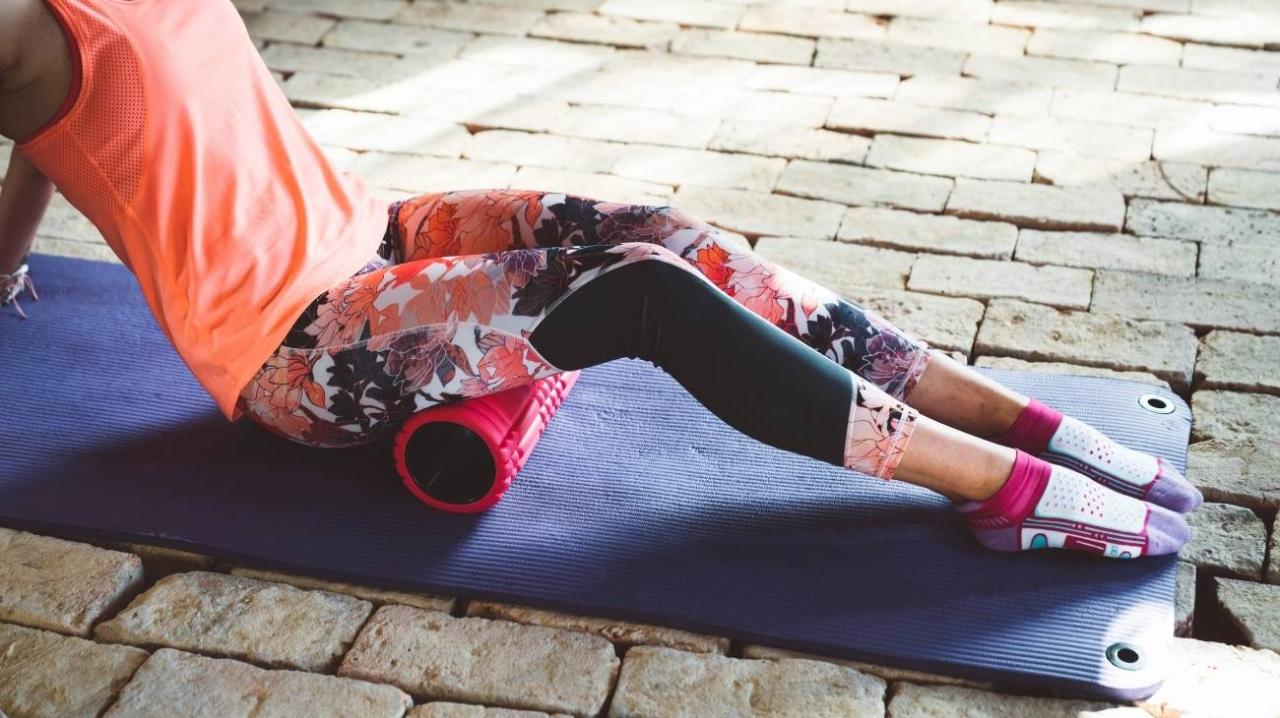
Foam rolling is a versatile self-myofascial release technique that can be adapted to target various muscle groups throughout the body. By applying pressure to specific areas, you can help to release muscle tightness, improve flexibility, and reduce soreness. This section provides detailed instructions on how to effectively foam roll several key muscle groups.
Foam Rolling the Quadriceps
The quadriceps, located on the front of the thigh, are a common area for tightness, especially in individuals who sit for extended periods or engage in activities like running or cycling. Proper foam rolling of the quads can improve knee and hip mobility.Here’s how to foam roll your quadriceps:
| Step | Description | Positioning and Movement | Considerations |
|---|---|---|---|
| 1 | Positioning | Lie face down with the foam roller positioned under your thighs, just above your knees. Your hands should be on the floor for support, and your weight should be distributed between your forearms and the foam roller. | Ensure your core is engaged to protect your lower back. |
| 2 | Rolling | Slowly roll from just above your knees to just below your hip flexors. Focus on areas of tenderness or tightness. | Avoid rolling directly over your kneecap. |
| 3 | Finding Trigger Points | When you find a tender spot, pause and hold the pressure for 20-30 seconds. You might feel the tension release. | Breathe deeply to help your muscles relax. |
| 4 | Progression | To increase the intensity, you can cross one leg over the other, targeting one quad at a time. | If you experience sharp pain, stop immediately. |
Foam Rolling the Hamstrings
The hamstrings, located on the back of the thigh, often become tight due to prolonged sitting or intense physical activity. Releasing this tightness can improve flexibility and reduce the risk of injury.Follow these steps to foam roll your hamstrings:
| Step | Description | Positioning and Movement | Considerations |
|---|---|---|---|
| 1 | Positioning | Sit on the floor with your legs extended. Place the foam roller under your hamstrings, just below your glutes. Your hands should be on the floor behind you for support. | Keep your back straight and your core engaged. |
| 2 | Rolling | Slowly roll from just below your glutes to just above your knees. | Avoid rolling over the back of your knees, as this area is sensitive. |
| 3 | Finding Trigger Points | When you find a tender spot, pause and hold the pressure for 20-30 seconds. | Maintain deep, even breaths. |
| 4 | Progression | You can cross one leg over the other to increase the pressure and target one hamstring at a time. You can also slightly rotate your leg to target different parts of the hamstring. | Listen to your body and stop if you feel any sharp pain. |
Foam Rolling the IT Band
The iliotibial (IT) band is a thick band of tissue that runs along the outside of your thigh, from your hip to your knee. Tightness in the IT band can cause pain in the hip and knee. Foam rolling the IT band requires careful technique to avoid injury.Here’s how to foam roll your IT band, with important considerations:
| Step | Description | Positioning and Movement | Considerations |
|---|---|---|---|
| 1 | Positioning | Lie on your side with the foam roller positioned under your outer thigh, just below your hip. Your bottom leg should be straight, and your top leg can be bent for support. | Ensure your body is aligned and your core is engaged. |
| 2 | Rolling | Slowly roll from just below your hip to just above your knee. | This can be a sensitive area; start with gentle pressure. |
| 3 | Finding Trigger Points | When you find a tender spot, pause and hold the pressure for 20-30 seconds. | Adjust your position to find the most effective pressure. |
| 4 | Important Safety Note | Avoid rolling directly over the bony prominence of your hip or knee. If you experience sharp pain, reduce the pressure or stop. | The IT band is a thick band of connective tissue and can be very sensitive. It is not designed to stretch, so foam rolling helps by releasing the surrounding muscles. |
Foam Rolling the Back
Foam rolling your back can help to relieve muscle tension, improve posture, and increase spinal mobility. Proper technique and safety precautions are essential.Here’s how to safely foam roll your back:
| Step | Description | Positioning and Movement | Considerations |
|---|---|---|---|
| 1 | Positioning (Mid-Back) | Place the foam roller under your mid-back, perpendicular to your spine. Bend your knees and place your feet flat on the floor. Support your head with your hands if needed. | Avoid rolling your lower back, especially if you have any spinal issues. |
| 2 | Rolling (Mid-Back) | Slowly roll up and down your mid-back, from the bottom of your shoulder blades to the middle of your back. | Maintain a neutral spine, avoiding excessive arching or rounding. |
| 3 | Finding Trigger Points (Mid-Back) | When you find a tender spot, pause and hold the pressure for 20-30 seconds. You can slightly rotate your body to target different areas. | Focus on areas of tension, and breathe deeply. |
| 4 | Rolling (Upper Back) | To target the upper back, position the roller just below your shoulder blades and repeat the rolling motion. | Avoid rolling the neck. |
| 5 | Important Safety Note | If you have any spinal conditions, consult with a healthcare professional before foam rolling your back. Stop immediately if you experience any sharp pain. | Avoid rolling your lower back, as this area is more sensitive and prone to injury. |
Duration and Frequency of Foam Rolling
Now that you’re familiar with the techniques, let’s talk about how long and how often you should be foam rolling to get the best results. Proper duration and frequency are crucial to avoid overdoing it and to maximize the benefits of this self-myofascial release technique.
Recommended Duration for Foam Rolling Each Muscle Group
The time you spend foam rolling a specific muscle group is a critical factor in its effectiveness. Spending the right amount of time allows the muscles to relax and release tension without causing unnecessary soreness or damage.The general recommendation is to spend about 30 to 60 seconds on each muscle group.
Focus on holding the foam roller on tender spots or knots for about 15-30 seconds, allowing the muscle to relax and the tension to ease.
If you find a particularly tight area, you might spend a bit longer on it, but avoid rolling for extended periods. Overdoing it can lead to increased soreness and potentially even injury. Remember, consistency and proper technique are more important than duration.
Optimal Frequency of Foam Rolling for Different Levels of Activity
The frequency with which you should foam roll depends largely on your activity level and the intensity of your workouts. Understanding this relationship helps you tailor your foam rolling routine to your individual needs and goals.Here’s a general guideline for foam rolling frequency:
- For General Wellness and Maintenance: If you’re not particularly active or engage in light exercise, foam rolling 1-2 times per week can be sufficient for maintaining muscle health and preventing tightness.
- For Moderate Activity: If you exercise 2-3 times per week, consider foam rolling 2-3 times per week. This can help with recovery and prevent delayed-onset muscle soreness (DOMS).
- For High Activity/Intense Training: Athletes and individuals who train intensely 4 or more times per week can benefit from foam rolling almost daily. This helps with faster recovery, reduces the risk of injury, and optimizes performance.
- Pre-Workout: Before a workout, a short session (5-10 minutes) of foam rolling can help to prepare your muscles for activity by increasing blood flow and improving flexibility. This is especially helpful if you feel tight or restricted.
- Post-Workout: After a workout, foam rolling can aid in recovery by reducing muscle soreness and inflammation. This can be done immediately after your workout or later in the day.
Signs of Over-Rolling and How to Avoid It
It’s important to be mindful of your body’s signals to prevent over-rolling. Overdoing foam rolling can lead to increased soreness, bruising, and even potential injury.Here are some signs of over-rolling and how to avoid them:
- Excessive Soreness: While some soreness is normal after foam rolling, excessive soreness that lasts for more than a day or two is a sign you may have overdone it. If you experience this, reduce the duration or frequency of your foam rolling sessions.
- Bruising: Bruising indicates that you’ve applied too much pressure. Adjust your technique to use less pressure, perhaps by supporting more of your body weight with your arms or legs.
- Increased Pain: If foam rolling causes an increase in pain, especially sharp or shooting pain, stop immediately. You might be irritating a nerve or injuring a muscle.
- Fatigue: Feeling unusually fatigued after foam rolling can also be a sign of overdoing it. Your body needs time to recover, so make sure you are not foam rolling too frequently.
To avoid over-rolling:
- Listen to your body: Pay attention to how your muscles feel and adjust your routine accordingly.
- Start slow: Begin with shorter durations and less frequent sessions, gradually increasing as your body adapts.
- Use the right pressure: Adjust the pressure based on your comfort level. You should feel a deep pressure but not excruciating pain.
- Hydrate: Drink plenty of water to help flush out toxins released during foam rolling.
- Rest and recovery: Incorporate rest days into your routine to allow your muscles to recover.
Breathing and Relaxation Techniques
Incorporating proper breathing and relaxation techniques is crucial for maximizing the benefits of foam rolling. It helps to enhance the effectiveness of the process by reducing muscle tension and promoting a deeper sense of relaxation. When you combine mindful breathing with foam rolling, you can further improve your body’s response to the treatment, leading to better results and a more enjoyable experience.
Importance of Proper Breathing During Foam Rolling
The way you breathe significantly impacts the effectiveness of foam rolling. Shallow, rapid breathing can exacerbate muscle tension, hindering the release of knots and tightness. Deep, controlled breathing, on the other hand, activates the parasympathetic nervous system, which promotes relaxation and allows muscles to release their grip.
Relaxation Techniques to Enhance Foam Rolling
Several relaxation techniques can be employed to amplify the positive effects of foam rolling. These techniques work by calming the mind and body, allowing muscles to relax more readily.
- Diaphragmatic Breathing: This technique, also known as belly breathing, involves deep breaths that engage the diaphragm. To practice this, place one hand on your chest and the other on your abdomen. Inhale slowly through your nose, allowing your abdomen to rise while keeping your chest relatively still. Exhale slowly through your mouth, letting your abdomen fall. This type of breathing can help to calm the nervous system and enhance relaxation.
- Progressive Muscle Relaxation (PMR): PMR involves tensing and then releasing different muscle groups in a systematic way. While foam rolling, you can incorporate PMR by tensing a specific muscle group for a few seconds before releasing it and applying the foam roller. This helps to heighten your awareness of muscle tension and facilitate relaxation.
- Visualization: Visualization involves creating mental images to promote relaxation. While foam rolling, imagine the tension melting away from your muscles as you breathe. Picture the area being massaged becoming looser and more pliable. This can significantly reduce stress and enhance the effectiveness of the treatment.
- Mindful Movement: Pay attention to the sensations in your body as you foam roll. Focus on the feeling of the foam roller against your muscles, the areas of tightness, and how your body responds to the pressure. This can increase body awareness and contribute to a more relaxed state.
Incorporating Mindfulness into the Foam Rolling Routine
Mindfulness practices can significantly enhance the foam rolling experience. By being present in the moment and paying attention to your body, you can improve your ability to relax and release muscle tension.
- Setting the Intention: Before you begin foam rolling, take a moment to set an intention. This could be to release tension, improve flexibility, or simply to be present in your body. This helps focus your mind and enhances the benefits of the practice.
- Body Scan Meditation: Before foam rolling, perform a brief body scan meditation. Start by lying on the floor, focusing on your breath. Slowly bring your attention to different parts of your body, noticing any areas of tension or discomfort. This can increase your awareness of your body and prepare you for foam rolling.
- Focus on Sensations: As you foam roll, pay close attention to the sensations in your body. Notice the pressure of the foam roller, the areas of tightness, and how your body responds. By focusing on these sensations, you can stay present in the moment and enhance your awareness of your body.
- Non-Judgmental Awareness: Practice non-judgmental awareness of your thoughts and feelings. When you notice your mind wandering, gently bring your attention back to your breath and the sensations in your body. This can help you stay present and reduce stress.
- Combining Breathing and Movement: Coordinate your breath with your movements. Inhale as you prepare to move the foam roller, and exhale as you apply pressure. This can enhance the effectiveness of the foam rolling and promote relaxation.
Integrating Foam Rolling with Other Recovery Methods
Foam rolling is a powerful tool on its own, but its effectiveness is amplified when combined with other recovery techniques. This section explores how foam rolling works synergistically with other methods to enhance muscle recovery and overall well-being. Understanding these complementary approaches allows for a more holistic and effective recovery strategy.
Foam Rolling and Stretching Exercises
Stretching and foam rolling are highly complementary techniques. While foam rolling primarily addresses muscle tightness and fascial restrictions, stretching increases the range of motion and flexibility.
- Synergistic Benefits: Foam rolling can prepare the muscles for stretching by reducing muscle tension and improving blood flow. This can make stretching more effective and reduce the risk of injury. Conversely, stretching can further enhance the benefits of foam rolling by increasing flexibility and range of motion.
- Timing and Sequence: Generally, foam rolling is best performed
-before* stretching to prepare the muscles. This can be followed by static stretches (holding a stretch for a period) or dynamic stretches (moving through a range of motion). - Example: Before a workout, foam rolling the hamstrings followed by dynamic hamstring stretches (like leg swings) can help prepare the muscles for activity. After a workout, foam rolling and holding a hamstring stretch can aid in recovery.
Foam Rolling Compared to Other Recovery Methods
Several recovery methods exist, each with its unique benefits. Comparing foam rolling to techniques like massage and ice baths reveals how they can be integrated into a comprehensive recovery plan.
- Massage Therapy: Both foam rolling and massage aim to release muscle tension and improve blood flow. Massage, performed by a professional, often allows for deeper tissue work and targeted manipulation. Foam rolling is a self-administered technique that can be done more frequently.
- Ice Baths (Cold Water Immersion): Ice baths reduce inflammation and muscle soreness, primarily by constricting blood vessels. Foam rolling addresses muscle tightness and fascial restrictions.
- Active Recovery: Active recovery involves low-intensity exercise (like walking or cycling) to promote blood flow and reduce muscle soreness. Foam rolling can complement active recovery by addressing specific muscle groups and improving mobility.
Benefits of Combining Foam Rolling with Other Recovery Techniques
Combining foam rolling with other recovery techniques can lead to enhanced results. The following table illustrates the benefits of integrating foam rolling with different methods.
| Recovery Technique | Benefits of Combining with Foam Rolling | Example |
|---|---|---|
| Stretching | Increased flexibility, improved range of motion, enhanced muscle recovery. | Foam rolling the quads before static quad stretches. |
| Massage Therapy | Deeper tissue work, more targeted muscle release, enhanced relaxation. | Foam rolling the upper back, followed by a massage focusing on knots in the trapezius muscles. |
| Ice Baths | Reduced inflammation, decreased muscle soreness, improved overall recovery. | Foam rolling the calves after an ice bath to address any remaining tightness. |
| Active Recovery | Improved blood flow, enhanced muscle recovery, reduced muscle soreness. | Foam rolling the hamstrings and then going for a light jog. |
Avoiding Common Mistakes
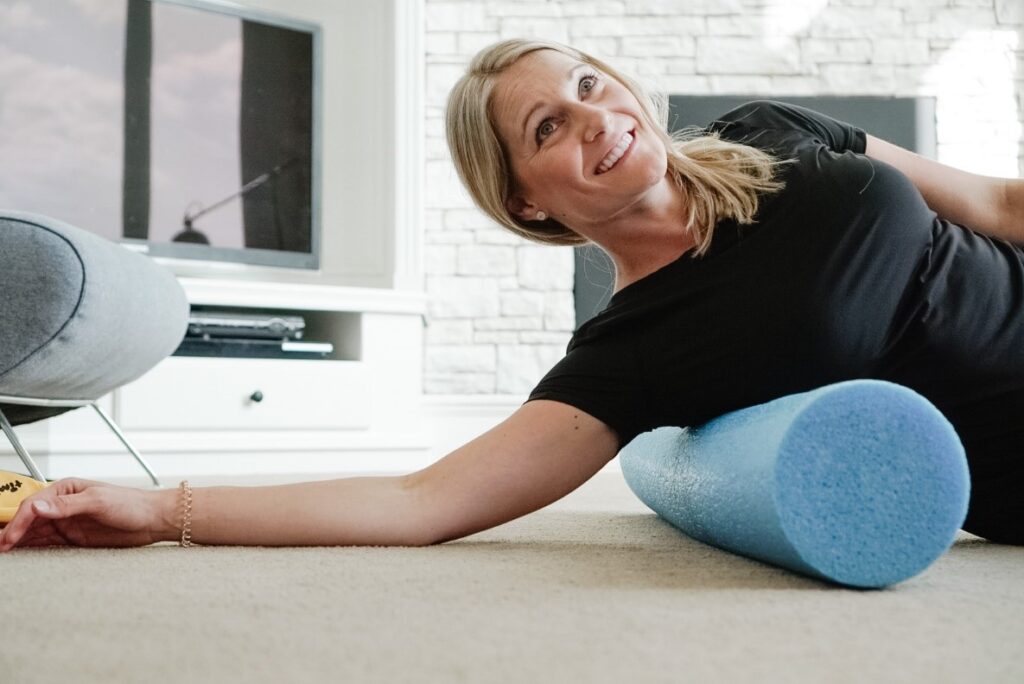
Foam rolling is a fantastic tool for muscle recovery, but it’s easy to make mistakes that can hinder its effectiveness or even lead to injury. Understanding these common pitfalls and how to avoid them is crucial for reaping the full benefits of foam rolling. This section will address some of the most frequent errors people make, along with practical solutions to ensure a safe and productive foam rolling experience.
Rolling Too Quickly
One of the most common mistakes is rolling too fast over the targeted muscle groups. This rapid movement doesn’t allow sufficient time for the foam roller to effectively address muscle tightness and trigger points.To correct this:
- Slow Down: Aim for a pace of approximately one inch per second. This allows you to feel and address areas of tension.
- Focus on Problem Areas: When you find a tender spot, pause on it for 20-30 seconds, or until the discomfort subsides. This focused pressure helps release the knot.
- Visualize the Process: Imagine the foam roller gently kneading the muscle fibers, working out the adhesions and knots.
Rolling Over Joints and Bones
Rolling directly over joints or bony prominences can cause pain and potential injury. The foam roller is designed for muscle tissue, not the delicate structures of joints.To correct this:
- Avoid Direct Contact: Always position the foam roller to target the muscle belly, avoiding direct pressure on joints like the knees, elbows, and ankles.
- Adjust Positioning: If you feel pain near a joint, slightly adjust your body position to move the foam roller away from the sensitive area.
- Consult a Professional: If you’re unsure about proper positioning or experience persistent pain, consult a physical therapist or certified trainer.
Ignoring Pain Signals
While some discomfort is normal, excessive pain during foam rolling is a sign to stop. Pushing through significant pain can lead to muscle strain or other injuries.To correct this:
- Listen to Your Body: Pay close attention to your body’s signals. If you experience sharp, shooting, or unbearable pain, immediately stop rolling.
- Adjust Pressure: If the pain is too intense, reduce the pressure by supporting more of your body weight with your arms or legs.
- Use a Softer Roller: If you’re new to foam rolling or have sensitive muscles, start with a softer foam roller.
Foam Rolling Too Frequently or for Too Long
Overdoing foam rolling can lead to muscle soreness and inflammation. It’s essential to balance the frequency and duration of your sessions to allow your muscles to recover.To correct this:
- Start Slowly: Begin with short sessions, perhaps 5-10 minutes, a few times a week.
- Gradually Increase: As your muscles adapt, you can gradually increase the duration and frequency of your sessions.
- Listen to Your Body’s Recovery: Allow for rest days between foam rolling sessions to give your muscles time to recover. Avoid foam rolling on consecutive days, especially if you’re new to it.
Incorrect Posture and Form
Poor posture and improper form can reduce the effectiveness of foam rolling and potentially lead to injury. Maintaining correct alignment is crucial for targeting the right muscles and avoiding unnecessary strain.To correct this:
- Maintain Proper Alignment: Keep your core engaged and your spine in a neutral position. Avoid arching your back or rounding your shoulders.
- Use Mirrors or Videos: If possible, use a mirror or record yourself to monitor your form.
- Seek Guidance: Consider consulting a physical therapist or certified trainer for guidance on proper technique.
Potential Risks and Contraindications
Foam rolling, while generally safe, isn’t suitable for everyone. Certain conditions can make it unsafe or less effective.Here’s a list of contraindications:
- Acute Injuries: Avoid foam rolling on areas with acute injuries, such as muscle tears, sprains, or strains. Rolling on an injured area can worsen the injury.
- Inflammatory Conditions: People with inflammatory conditions like cellulitis, thrombophlebitis, or infections in the area should avoid foam rolling until the condition resolves. Foam rolling could potentially spread the infection or worsen the inflammation.
- Skin Conditions: Avoid foam rolling on areas with skin conditions like open wounds, rashes, or severe bruising.
- Fractures: Foam rolling should be avoided over any area with a fracture, even if it has healed, unless specifically cleared by a healthcare professional.
- Osteoporosis: Individuals with osteoporosis or significant bone density loss should exercise caution and consult a healthcare professional before foam rolling, as the pressure could potentially cause fractures.
- Pregnancy: Pregnant women should consult their doctor before foam rolling, particularly in the abdominal area.
- Certain Medical Conditions: People with conditions like deep vein thrombosis (DVT), blood clots, or bleeding disorders should avoid foam rolling.
It’s always best to err on the side of caution. If you have any health concerns or are unsure whether foam rolling is right for you, consult with a healthcare professional before starting. They can assess your individual needs and provide personalized guidance.
Advanced Foam Rolling Techniques
For those who have mastered the basics of foam rolling, it’s time to elevate your practice. Advanced techniques allow for deeper tissue work, targeting specific problem areas and enhancing recovery. This section will delve into strategies to maximize the benefits of your foam rolling routine, taking you beyond simple muscle relaxation.
Cross-Fiber Friction
Cross-fiber friction involves applying pressure perpendicular to the muscle fibers. This technique aims to break down adhesions and improve the alignment of muscle fibers. It’s particularly useful for addressing knots and areas of chronic tension.To perform cross-fiber friction:
- Locate a tight area or knot in the muscle.
- Position the foam roller so the affected muscle is in contact with it.
- Apply moderate pressure and slowly roll back and forth, moving the roller
-across* the muscle fibers (perpendicular to their direction). - Focus on small areas, holding on particularly tender spots for 20-30 seconds, allowing the tissue to release.
This method can be more intense than standard rolling. It’s crucial to listen to your body and avoid excessive pain. If the sensation is too intense, reduce the pressure or shorten the duration.
Targeting Specific Trigger Points
Trigger points are hyperirritable spots within a muscle that can cause referred pain to other areas of the body. Identifying and releasing these trigger points is key to relieving pain and restoring proper muscle function.To target trigger points effectively:
- Locate the trigger point: This often involves palpating the muscle to find tender nodules or tight bands.
- Apply direct pressure: Use the foam roller to apply focused pressure directly onto the trigger point.
- Hold and release: Maintain pressure on the trigger point for 30-60 seconds, or until the tenderness subsides. You might feel a slight increase in pain followed by a release.
- Vary the pressure: Experiment with different levels of pressure to find what works best for you. Some trigger points may require more or less intensity.
This technique requires a good understanding of muscle anatomy and trigger point locations. Resources such as anatomical charts and guides can be helpful.
Advanced Techniques for Experienced Users
Experienced foam rollers can integrate several advanced techniques to enhance their practice. This includes varying the intensity, duration, and frequency of rolling sessions.
- Varying Pressure and Speed: Experiment with different levels of pressure – from gentle to intense – and roll at varying speeds. Slow, deliberate rolling can be effective for deep tissue work, while faster rolling can be used for general warm-up.
- Targeted Holds: Spend more time on particularly tight spots, holding the roller in place for longer periods (up to 60 seconds) to allow the tissue to release.
- Combining with Movement: Incorporate movement while foam rolling, such as slowly flexing and extending a joint while the muscle is in contact with the roller. This can help to improve range of motion and mobility.
- Post-Isometric Relaxation (PIR): Following a foam rolling session, contract the targeted muscle isometrically (without movement) against the roller for a few seconds, then relax. This technique can further enhance muscle release.
- Incorporating Dynamic Stretching: Following foam rolling, include dynamic stretches to improve range of motion and flexibility. This might include arm circles, leg swings, or torso twists.
These advanced techniques are best implemented after gaining a solid foundation in basic foam rolling principles. Remember to always prioritize proper form and listen to your body.
Troubleshooting
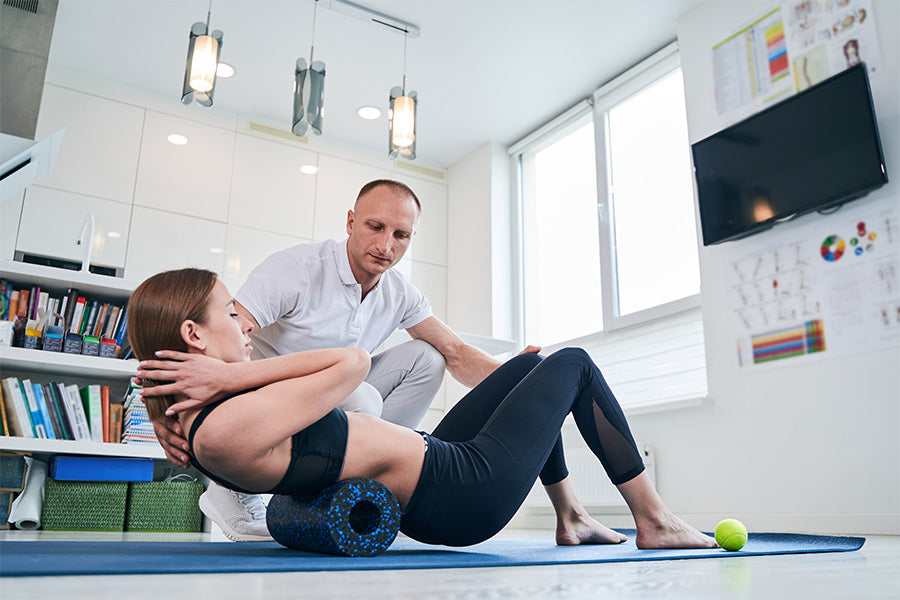
Foam rolling is a fantastic self-care tool, but it’s not always a smooth ride. Sometimes, you might encounter issues like excessive pain or discomfort. This section provides solutions to common problems, adjustments for different needs, and tips for a more comfortable and effective foam rolling experience.
Managing Pain and Discomfort
Pain is a signal from your body, and understanding it is crucial for safe and effective foam rolling. While some discomfort is normal, excessive pain indicates a need to adjust your approach.Here are some strategies for managing pain and discomfort:* Reduce Pressure: If you experience sharp or intense pain, decrease the pressure applied to the foam roller.
You can do this by:
Using a softer foam roller.
Supporting more of your body weight with your arms or legs.
Rolling over the area more gently.
Shorten Duration
Limit the amount of time you spend on a particularly tender spot. Instead of holding for 30-60 seconds, try 15-30 seconds initially. Gradually increase the duration as your tolerance improves.
Avoid Rolling Directly on Bones or Joints
Foam rolling is intended for muscles. Avoid rolling directly on bony prominences or joints, as this can cause unnecessary pain and potential injury. Focus on the fleshy parts of your muscles.
Listen to Your Body
Pay close attention to your body’s signals. If you experience any of the following, stop immediately:
Sharp, shooting pain.
Numbness or tingling.
Increased pain after rolling.
Breathing Techniques
Deep, controlled breathing can help relax your muscles and reduce pain perception. Inhale deeply through your nose, allowing your belly to expand, and exhale slowly through your mouth.
Hydration
Ensure you’re well-hydrated before, during, and after foam rolling. Staying hydrated helps your muscles function optimally and can reduce muscle soreness.
Warm-up
Always warm up your muscles before foam rolling. This could involve light cardio, such as a brisk walk or cycling, or dynamic stretching.
Remember, “No pain, no gain” does not apply to foam rolling. The goal is to relieve muscle tightness, not to inflict pain.
Adjusting Techniques for Different Body Types and Fitness Levels
Everyone’s body is unique. Adjusting your foam rolling technique based on your body type and fitness level ensures optimal results and minimizes the risk of injury.Here’s how to adjust your technique:* Body Type:
Larger Body Frames
Individuals with larger frames may find it helpful to use a wider foam roller or to focus on specific muscle groups one at a time. They might also need to modify the angles and positions to access certain areas effectively.
Smaller Body Frames
Individuals with smaller frames may find that a standard foam roller is too intense. They can opt for a softer roller or use a smaller diameter roller for more targeted pressure.
Fitness Level
Beginners
Start slowly and gently. Begin with shorter durations (15-30 seconds per muscle group) and less pressure. Focus on the major muscle groups, such as the quads, hamstrings, and back.
Intermediate
Gradually increase the duration (up to 60 seconds per muscle group) and pressure as your muscles adapt. Explore more advanced techniques, such as cross-fiber friction and trigger point release.
Advanced
Experiment with different roller densities and shapes. Incorporate foam rolling into your warm-up and cool-down routines. Consider using foam rolling for pre- and post-workout recovery.
Muscle Density
Individuals with denser muscles might tolerate more pressure. They can use a firmer foam roller or apply more body weight. Individuals with less dense muscles may benefit from a softer roller or less pressure. –
Flexibility
Individuals with limited flexibility may find certain positions challenging. Modify the positions to suit your range of motion. For example, when foam rolling your hamstrings, you can bend your knees slightly to reduce the stretch.
Injuries or Pre-existing Conditions
If you have any injuries or pre-existing conditions, consult with a healthcare professional before foam rolling. They can provide guidance on safe and appropriate techniques. Avoid rolling directly on any injured areas.
The key is to be adaptable and find what works best for your body.
Foam Rolling and Injury Prevention
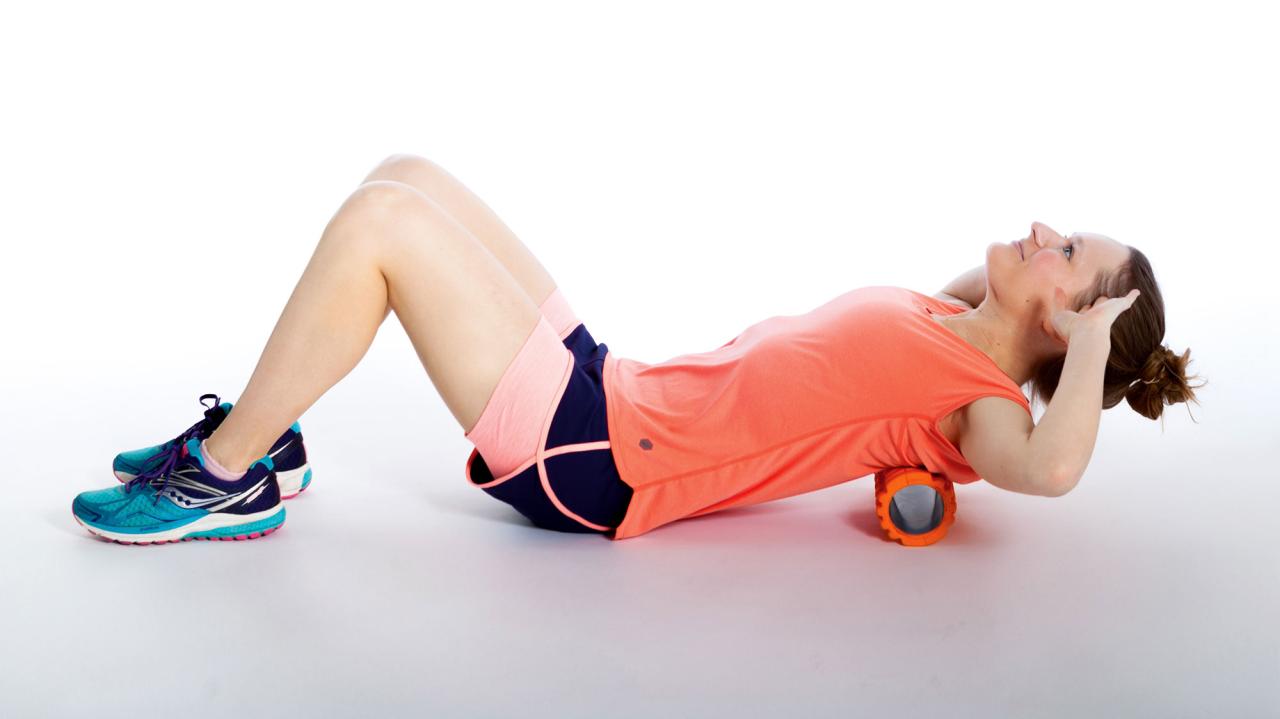
Foam rolling is a valuable tool for injury prevention, contributing significantly to overall athletic performance and well-being. Regular use can proactively address muscle imbalances, improve flexibility, and enhance recovery, all of which reduce the likelihood of injuries. This section details how foam rolling plays a crucial role in safeguarding your body and maximizing your workout effectiveness.
Role of Foam Rolling in Post-Workout Recovery
Foam rolling is a critical component of post-workout recovery, aiding in muscle repair and reducing soreness. The benefits extend beyond immediate relief, contributing to long-term muscle health and performance.The primary benefits include:
- Reduced Muscle Soreness: Foam rolling helps alleviate Delayed Onset Muscle Soreness (DOMS) by increasing blood flow to the affected muscles. This increased blood flow delivers essential nutrients and oxygen while removing metabolic waste products.
- Enhanced Muscle Recovery: By improving circulation and reducing inflammation, foam rolling accelerates the recovery process. This allows you to return to your workouts sooner and more effectively.
- Improved Flexibility and Range of Motion: Regular foam rolling can improve flexibility and range of motion by releasing muscle tension and breaking down adhesions. This allows the muscles to function properly and reduces the risk of strains.
- Reduced Risk of Future Injuries: Foam rolling helps maintain muscle balance and addresses potential imbalances that could lead to injuries. For example, if the hamstrings are tight, they can be addressed through foam rolling, preventing potential strain during a squat or deadlift.
Incorporating Foam Rolling into a Regular Workout Routine
Integrating foam rolling into your workout routine is simple and highly effective. Consistency is key, and establishing a regular schedule maximizes the benefits. Here’s how to seamlessly incorporate it:A well-structured foam rolling routine includes:
- Pre-Workout: Perform foam rolling for 1-2 minutes on major muscle groups before your workout. This prepares your muscles for activity by increasing blood flow and improving flexibility. Focus on the muscles you plan to use during your workout, such as your quads before a run or your back before a weightlifting session.
- Post-Workout: Dedicate 5-10 minutes to foam rolling after your workout. This helps reduce muscle soreness and speed up recovery. Focus on the muscles you worked during the session, such as your glutes, hamstrings, and calves after a leg day.
- Rest Days: Incorporate foam rolling on your rest days for 10-15 minutes. This maintains muscle health, reduces tightness, and prevents imbalances. You can focus on any areas that feel tight or sore.
- Frequency: Aim to foam roll at least 3-4 times per week to see the best results. This consistency helps maintain muscle health and prevent injuries.
Consider these points for optimal integration:
- Warm-up: Begin with a light warm-up, such as dynamic stretching or light cardio, before foam rolling pre-workout. This further prepares your muscles.
- Cool-down: Combine foam rolling with static stretching after your workout for a comprehensive recovery strategy. This aids in muscle relaxation and flexibility.
- Listen to Your Body: Pay attention to your body’s signals. If you experience sharp pain, stop and consult with a healthcare professional.
- Progression: Gradually increase the duration and intensity of your foam rolling sessions as your body adapts.
Final Summary
In conclusion, foam rolling is a versatile and accessible tool for anyone looking to improve muscle health and overall well-being. By understanding the techniques, incorporating proper breathing, and avoiding common pitfalls, you can unlock the full potential of foam rolling. Embrace this simple yet effective method, and experience the transformative benefits of reduced muscle tightness, enhanced recovery, and improved performance.
Start rolling your way to a healthier, happier you!