Missing a run can be a frustrating experience, but it doesn’t have to derail your entire training plan. This guide, “How to Adjust Your Training Plan if You Miss a Run,” offers a practical approach to understanding the impact of missed workouts and making informed adjustments to keep you on track towards your goals. Whether it’s due to illness, injury, or simply a scheduling conflict, knowing how to adapt is crucial for maintaining consistency and avoiding setbacks.
We’ll explore the physiological effects of missed runs, delve into the reasons behind them, and provide actionable strategies for both short-term and long-term modifications. You’ll learn how to assess the severity of the situation, tailor your approach based on the cause, and utilize technology and communication to optimize your recovery and training. From easy runs to tempo sessions, this guide provides the tools you need to bounce back stronger.
Assessing the Impact of a Missed Run

Missing a run is a common occurrence for runners of all levels. Life happens, and sometimes a training session has to be skipped. The key is to understand how this absence affects your training plan and make informed adjustments to stay on track with your goals. This section focuses on evaluating the impact of a missed run and determining the appropriate course of action.
Physiological Effects of a Missed Run
The physiological impact of missing a single run, particularly in the context of endurance training, is generally minimal, especially if the runner maintains a consistent training schedule. The body is remarkably adaptable, and a brief interruption in training does not usually lead to significant losses in fitness. However, the effect depends on various factors, including the runner’s current fitness level, the type of run missed, and the overall training phase.
- Cardiovascular Fitness: A single missed run is unlikely to cause a measurable decrease in cardiovascular fitness. The body maintains adaptations from previous training sessions for a period. The extent of this maintenance depends on the intensity and duration of previous training.
- Muscle Endurance: Missing one run may have a slightly more noticeable impact on muscle endurance, especially if the missed session was a long run or a workout focused on muscular strength. The muscles might feel slightly less prepared for subsequent high-intensity efforts, but this is usually temporary.
- Glycogen Stores: The impact on glycogen stores is also relatively small. Unless the missed run was a crucial long run designed to deplete glycogen, the body will not experience a significant reduction in its ability to store carbohydrates.
- Mental Impact: Perhaps the most significant impact can be psychological. A missed run can lead to feelings of guilt or anxiety, potentially disrupting the runner’s motivation and adherence to the training plan. Recognizing this and addressing the mental aspect is crucial.
Determining the Need for Schedule Adjustment
Deciding whether to adjust your training schedule after a missed run involves considering several factors. These considerations help determine if a modification is necessary to maintain progress and minimize the risk of injury.
- Type of Missed Run: The type of run missed is a key factor. Missing an easy recovery run has a much smaller impact than missing a key workout, such as a tempo run or a long run.
- Training Phase: The training phase matters. If the missed run occurred during a base-building phase, the impact is less critical than if it occurred during the peak of a marathon-specific training block.
- Frequency of Missed Runs: One missed run is different from a pattern of missed runs. If you miss multiple sessions within a week or two, the need for adjustment becomes more significant.
- Runner’s Experience: Experienced runners can often bounce back quickly from a missed run. Newer runners might need a more conservative approach to avoid overtraining or injury.
- Reason for Missing the Run: The reason for missing the run also influences the decision. Was it due to illness, injury, or a scheduling conflict? The cause provides context for the adjustment.
Calculating Percentage of Training Volume Lost
Calculating the percentage of training volume lost due to a missed run provides a quantifiable measure to inform the decision-making process for adjusting the training plan. This calculation helps assess the magnitude of the setback and aids in making appropriate adjustments.
The formula is as follows:
Percentage of Volume Lost = (Missed Run Distance / Total Weekly Distance)
– 100
For example, if your total weekly mileage is 40 miles and you missed a 6-mile run, the calculation would be:
(6 miles / 40 miles)
– 100 = 15%
This means you lost 15% of your weekly training volume. A loss of 10-15% might warrant a slight adjustment, such as reducing the distance of a subsequent run. A loss of 20% or more might require a more significant adjustment, like reducing the overall volume for the following week or adjusting the intensity of upcoming workouts. The context of the missed run (e.g., a long run vs.
an easy run) is still important when making adjustments, even after calculating the percentage.
Identifying the Reason for the Missed Run
Understanding why you missed a run is crucial for making informed adjustments to your training plan. Categorizing the reason allows you to assess the impact accurately and choose the most appropriate course of action. This proactive approach helps prevent setbacks and promotes consistent progress toward your running goals.
Categorizing Reasons for Missing a Run
Missed runs can stem from a variety of factors, each requiring a different response. Categorizing these reasons simplifies the process of making necessary adjustments.
- Illness: This category encompasses any ailment that affects your ability to train, ranging from a common cold to the flu. The severity of the illness directly influences the necessary rest and recovery period.
- Injury: Injuries, whether acute or overuse, require careful consideration. These can include anything from a sprained ankle to stress fractures. Ignoring an injury can worsen the condition and lead to prolonged time off.
- Scheduling Conflict: Life happens, and sometimes a run must be missed due to work, family commitments, or other unavoidable circumstances. This category often necessitates logistical adjustments to fit training into a busy schedule.
- Fatigue/Overtraining: Feeling excessively tired or experiencing persistent muscle soreness can be a sign of overtraining. Recognizing this early allows you to incorporate more rest and recovery.
- External Factors: This includes weather conditions (extreme heat, cold, or storms), travel, or lack of access to a safe running environment. These factors often necessitate shifting your training to a different time, location, or activity.
How the Reason Influences Training Plan Adjustments
The reason for missing a run directly dictates how you should adjust your training plan. The severity of the cause and the duration of the missed run are key factors in this decision-making process.
- Illness:
If you miss a run due to illness, prioritize rest and recovery. For a minor illness like a cold, consider a few days of complete rest or very light cross-training (e.g., walking, gentle stretching). For more serious illnesses, consult a doctor and extend the rest period. When returning to running, gradually increase mileage and intensity, starting with short, easy runs.
Example: If you missed three days of running due to the flu, upon your return, start with easy 20-30 minute runs for the first week. Gradually increase the duration and add one interval session in the second week if you feel fully recovered.
- Injury:
The course of action for an injury depends on its severity. For minor aches and pains, rest, ice, compression, and elevation (RICE) may be sufficient. For more significant injuries, seek professional medical advice. Physical therapy and specific rehabilitation exercises are often required. Returning to running should be a gradual process, following the guidance of a healthcare professional.
Avoid pushing through pain.
Example: If you experience a mild hamstring strain, after a few days of rest and gentle stretching, you might start with short walks and gradually progress to easy running, increasing the distance and intensity over several weeks, depending on your pain levels.
- Scheduling Conflict:
If a run is missed due to a scheduling conflict, the impact is usually less severe. Consider the type of run missed (e.g., long run, interval session, easy run). Try to reschedule the missed run, if possible, later in the week. If rescheduling isn’t possible, adjust the subsequent training days to maintain the overall training load. For instance, you might move the long run to the next day, shorten a recovery run, or add a cross-training session.
Example: If you missed a Tuesday interval session, you could move it to Wednesday or add a similar workout to the end of the week. If rescheduling is not possible, add an extra easy run.
- Fatigue/Overtraining:
Recognizing the signs of fatigue and overtraining is vital. If you consistently feel tired, your heart rate is elevated at rest, or your performance is declining, you may need more rest. This may involve reducing mileage, taking extra rest days, or incorporating active recovery activities like swimming or cycling. Listen to your body and adjust your plan accordingly.
Example: If you experience persistent muscle soreness and fatigue, reduce your weekly mileage by 10-20% and incorporate two full rest days. Consider adding a recovery run at a very easy pace.
- External Factors:
When external factors cause a missed run, the adjustments involve finding alternative solutions. If the weather is unfavorable, consider running indoors on a treadmill, cross-training, or adjusting your schedule to run at a different time. If you are traveling, research local running routes or utilize a hotel gym. Adaptability is key.
Example: If a snowstorm prevents your scheduled long run, consider rescheduling it for the following day or running on a treadmill. Alternatively, you could substitute the long run with a cross-training activity like cycling or swimming for the same duration.
Short-Term Adjustments (1-2 Runs Missed)

When you’ve missed a run, especially if it’s just one or two, it’s crucial to adjust your training plan to minimize any negative impact on your progress and prevent injury. The approach you take will depend on the type of run you missed and where you are in your training cycle. This section provides guidance on how to modify your plan effectively.
Designing a Modified Training Schedule for Missing an Easy Run
Missing an easy run is generally less detrimental than missing a key workout. However, you still need to adjust your schedule to maintain consistency and prevent overcompensation.If you miss an easy run, the following adjustments can be made:* Option 1: Incorporate a Make-Up Run: If the missed run was due to a scheduling conflict, you could add an easy run on a rest day, or if you feel good, you can do it on the same day as your next easy run.
Option 2
Maintain the Schedule: If you’re feeling tired or the missed run was due to illness or fatigue, simply continue with your schedule as planned, resuming with the next scheduled run. This is a common and often effective approach.
Option 3
Adjust Future Runs: If you missed an easy run early in the week, you might slightly increase the duration of your next easy run, or make the following week’s long run a bit longer, but don’t overdo it.It’s important to listen to your body and prioritize recovery. For example, if you missed an easy run due to a minor cold, don’t try to cram in extra mileage the next day.
Focus on feeling better first.
Strategies to Compensate for Missing a Tempo Run
Missing a tempo run requires a more strategic approach because tempo runs are designed to improve your lactate threshold and aerobic capacity. The goal is to replicate the physiological benefits as closely as possible.Here are strategies to compensate for a missed tempo run:* Option 1: Reschedule the Tempo Run: The simplest solution is to reschedule the tempo run for another day, if possible.
Ensure you have adequate recovery time before and after the rescheduled run.
Option 2
Perform a Shorter Tempo Run: If you can’t reschedule, consider doing a shorter tempo run. For instance, if the original plan was 30 minutes at tempo pace, do 20 minutes instead.
Option 3
Substitute with a Threshold Interval Workout: This involves running intervals at or slightly above your tempo pace with short recovery periods. For example, 6 x 800 meters at tempo pace with a 2-minute recovery jog.
Option 4
Incorporate a Long Run with Tempo Efforts: If you are later in your training cycle, and the missed tempo run occurred near your long run, you could integrate tempo segments into your long run. For instance, run the first half of your long run easy, then run the middle third at tempo pace, and finish with an easy cool-down.
Option 5
Substitute with a Hill Workout: Hill repeats can provide a similar physiological stimulus to a tempo run by increasing muscular endurance and lactate threshold. Run up hills at a hard effort and jog down for recovery.Choose the option that best fits your schedule and current fitness level, prioritizing recovery.
Comparing and Contrasting Various Recovery Methods After a Missed Workout
After a missed workout, especially a key session like a tempo run, prioritizing recovery is crucial. The following table compares and contrasts various recovery methods:
| Recovery Method | Description | Benefits | Considerations |
|---|---|---|---|
| Active Recovery | Light activity, such as a short, easy jog, cycling, or swimming. | Promotes blood flow, reduces muscle soreness, and speeds up recovery. | Ensure the activity is genuinely easy; avoid pushing yourself. |
| Proper Nutrition and Hydration | Consuming a balanced diet rich in carbohydrates, protein, and healthy fats, along with adequate fluid intake. | Replenishes glycogen stores, repairs muscle tissue, and supports overall recovery. | Prioritize whole foods and stay hydrated throughout the day. |
| Sleep | Getting 7-9 hours of quality sleep per night. | Allows the body to repair and rebuild muscle tissue, and supports hormonal balance. | Establish a regular sleep schedule and create a relaxing bedtime routine. |
| Foam Rolling/Self-Massage | Using a foam roller or self-massage tools to release muscle tension and improve blood flow. | Reduces muscle soreness, improves flexibility, and promotes relaxation. | Focus on areas that feel tight or sore; be gentle. |
| Contrast Therapy (Hot/Cold) | Alternating between hot and cold treatments, such as a hot bath followed by a cold shower or ice bath. | Reduces inflammation, improves blood flow, and can decrease muscle soreness. | Consult a healthcare professional before using if you have any medical conditions. |
Long-Term Adjustments (More Than 2 Runs Missed)
Missing more than two runs necessitates a more comprehensive adjustment to your training plan. This is because the physiological adaptations gained from consistent training begin to diminish after a few days of inactivity. The longer the break, the more significant the detraining effect, and the greater the need for a structured return to running to avoid injury and regain fitness.
Re-evaluating the Training Cycle
Determining if a complete re-evaluation of your training cycle is needed depends on the duration of the missed runs and your pre-existing fitness level. A few missed runs might only require minor adjustments, but a longer absence warrants a more thorough assessment.To assess the impact of missed runs, consider these factors:
- Duration of the Missed Runs: The longer the period of inactivity, the more significant the detraining. A week or more off typically necessitates a more substantial reset.
- Pre-Missed Run Fitness Level: A highly trained runner will detrain more slowly than a beginner. Someone accustomed to running 50 miles a week will maintain a higher level of fitness for longer than someone running 20 miles a week.
- Reason for Missed Runs: Understanding the reason for the missed runs can influence your re-entry strategy. A planned rest period requires a different approach than an injury.
- Subjective Feelings: Pay attention to how your body feels. Assess your energy levels, muscle soreness, and overall well-being. If you feel significantly weaker or more fatigued than before the missed runs, a more conservative approach is warranted.
Resetting Training Phases
Resetting training phases involves adjusting your training plan to reflect your current fitness level. The goal is to gradually rebuild your fitness while minimizing the risk of injury.The following is a suggested process for resetting training phases:
- Assess Current Fitness: Before resuming your training, complete a short, easy run to gauge your current fitness level. Pay attention to your perceived exertion, heart rate, and any muscle soreness. This run should be significantly shorter and slower than your typical easy runs.
- Determine Training Phase: Based on the duration of your absence and your pre-missed run training, decide which phase of your training cycle is most appropriate to restart. If you missed several weeks of training, it may be necessary to return to the base-building phase, regardless of your original plan.
- Reduce Mileage and Intensity: Significantly reduce your weekly mileage and the intensity of your workouts. Start with approximately 50-75% of your pre-missed run mileage.
- Prioritize Easy Runs: The majority of your runs should be at an easy, conversational pace. This allows your body to adapt to the increased load without excessive stress.
- Gradually Increase Mileage: Increase your weekly mileage by no more than 10% each week. This is a critical principle for injury prevention.
- Reintroduce Intensity Gradually: Once you have established a solid base of easy running, gradually reintroduce higher-intensity workouts, such as interval training and tempo runs. Increase the duration or frequency of these workouts gradually.
- Monitor Progress and Adjust: Pay close attention to how your body responds to the increased training load. If you experience excessive fatigue, soreness, or any signs of injury, reduce your mileage or intensity and allow for more recovery time.
Gradually Increasing Mileage and Intensity
A structured approach to increasing mileage and intensity after a period of inactivity is crucial for injury prevention. The body needs time to adapt to the increased demands of running.Here’s a strategy to implement:
- Base Building: Start with a period of base building, focusing on easy running. This phase helps to rebuild your aerobic base and strengthen your muscles, tendons, and ligaments.
- Weekly Mileage Progression: Increase your weekly mileage by no more than 10% each week. For example, if you are running 10 miles in your first week back, increase to 11 miles the following week. This gradual increase allows your body to adapt without being overloaded.
- Run Duration: When increasing mileage, gradually increase the duration of your long runs first, before adding more runs to your weekly schedule.
- Intensity Introduction: After several weeks of base building, gradually introduce intensity into your training. Start with short intervals at a moderate effort and gradually increase the duration and intensity.
- Cross-Training: Incorporate cross-training activities, such as swimming, cycling, or elliptical training, to maintain cardiovascular fitness and reduce the stress on your running muscles.
- Rest and Recovery: Prioritize rest and recovery. Ensure you are getting enough sleep, eating a balanced diet, and incorporating rest days into your training schedule.
- Listen to Your Body: Pay attention to any pain or discomfort. If you experience any pain, stop running and rest. Don’t push through pain, as this can lead to injury.
Example: A runner who missed 3 weeks of training and was previously running 40 miles per week might start with 20-25 miles in the first week back. They would gradually increase their mileage over the following weeks, following the 10% rule. They would delay introducing interval training or tempo runs until they have established a solid base of easy running.
Addressing Illness or Injury

Dealing with illness or injury is an inevitable part of running. Knowing how to adjust your training plan when faced with these setbacks is crucial for a safe and effective return to running. This section provides guidance on navigating illness and injury, ensuring you can recover properly and minimize the risk of further complications.
Returning to Training After a Minor Illness
After recovering from a minor illness, such as a cold or mild flu, a gradual return to running is essential to avoid relapse and allow your body to fully recover. This protocol prioritizes rest and a progressive reintroduction of exercise.
Here’s a suggested protocol:
- Listen to Your Body: Before you even consider running, ensure your symptoms are completely gone. This includes the absence of fever, body aches, and fatigue. If you still feel unwell, postpone your return.
- Rest: Allow adequate time for rest. Even after symptoms subside, your body needs time to rebuild its energy stores.
- Walk Before You Run: Begin with walking. Start with short, brisk walks (15-20 minutes) on consecutive days to assess your body’s response.
- Gradual Reintroduction of Running: Once walking feels comfortable, introduce short running intervals, alternating with walking.
- Increase Gradually: Slowly increase the running duration and reduce the walking intervals over several runs.
- Monitor Your Heart Rate: Pay attention to your heart rate. If your heart rate is significantly elevated during exercise compared to your normal baseline, reduce the intensity or duration.
- Monitor Symptoms: Watch for any returning symptoms. If you experience fatigue, coughing, or other symptoms, stop running and rest.
- Example Progression:
- Week 1: Walk 20 minutes daily.
- Week 2: Run 5 minutes, walk 5 minutes, repeat 2-3 times (20-30 minutes total).
- Week 3: Run 10 minutes, walk 5 minutes, repeat 2-3 times (30-45 minutes total).
- Week 4: Run 15 minutes, walk 5 minutes, repeat 2-3 times (45-60 minutes total).
- Increase Mileage by 10% Per Week: Once you’re comfortable with continuous running, gradually increase your weekly mileage by no more than 10% to avoid overtraining.
- Consider Cross-Training: During the early stages of recovery, cross-training activities like cycling or swimming can help maintain fitness without overstressing your body.
Remember, the goal is to return to running safely and effectively. Rushing back too soon can prolong your recovery and potentially lead to more serious health issues.
Adjusting the Training Plan When Recovering from a Running-Related Injury
Recovering from a running-related injury requires a strategic approach to adjust your training plan. The specific adjustments depend on the nature and severity of the injury, as well as the recommendations of your healthcare provider.
Here’s how to approach adjusting your training plan:
- Diagnosis and Assessment: Obtain a proper diagnosis from a medical professional (e.g., a sports medicine physician or physical therapist) to understand the nature and severity of the injury.
- Follow Medical Advice: Adhere strictly to the treatment plan prescribed by your healthcare provider. This may include rest, ice, compression, elevation (RICE), medication, or physical therapy.
- Modify Training: Adjust your training plan based on the injury and the advice of your healthcare provider. This might involve:
- Complete Rest: In the initial stages of recovery, complete rest from running might be necessary.
- Cross-Training: Engage in cross-training activities that don’t aggravate the injury. Swimming, cycling, or elliptical training can help maintain cardiovascular fitness.
- Reduced Mileage: When returning to running, reduce your mileage significantly.
- Reduced Intensity: Run at a slower pace.
- Focus on Form: Pay attention to your running form to minimize stress on the injured area.
- Progressive Return to Running: Follow a structured return-to-running program, often guided by a physical therapist or coach. This program will gradually increase your running volume and intensity.
- Listen to Your Body: Pay close attention to any pain or discomfort. If you experience pain, stop running and consult your healthcare provider.
- Incorporate Strength Training: Include strength training exercises to address muscle imbalances and improve overall strength, which can help prevent future injuries.
- Warm-up and Cool-down: Always warm up properly before running and cool down afterward, including stretching exercises.
- Example: Achilles Tendonitis
- Phase 1 (Rest and Initial Rehab): Complete rest from running, ice, compression, and elevation. Focus on gentle range-of-motion exercises and isometric exercises.
- Phase 2 (Gradual Introduction of Weight-Bearing): Begin with walking, then progress to short runs on a soft surface. Gradually increase the running duration and intensity. Incorporate eccentric exercises.
- Phase 3 (Return to Full Training): Gradually increase mileage and intensity, while monitoring for pain. Continue strength training and flexibility exercises.
Remember, patience and consistency are key during injury recovery. Rushing the process can lead to re-injury and prolonged time off.
Resources for Injured Runners
Accessing the right resources is crucial for a successful recovery from a running-related injury. This list provides a starting point for finding the support you need.
- Sports Medicine Physicians: These doctors specialize in the diagnosis and treatment of sports-related injuries. They can provide a comprehensive assessment and develop a treatment plan.
- Physical Therapists: Physical therapists can help you rehabilitate your injury through targeted exercises, manual therapy, and education. They will guide you through a progressive return-to-running program.
- Athletic Trainers: Athletic trainers often work with athletes and can provide immediate care and rehabilitation services.
- Orthopedic Surgeons: If surgery is required, an orthopedic surgeon will perform the procedure and provide post-operative care.
- Podiatrists: Podiatrists specialize in foot and ankle injuries.
- Certified Running Coaches: A certified running coach can help you adjust your training plan, monitor your progress, and provide guidance on running form.
- Registered Dietitians: A registered dietitian can help you optimize your nutrition to support healing and recovery.
- Support Groups: Consider joining a running support group or online forum where you can connect with other runners and share experiences.
Mental Strategies for Dealing with Missed Runs
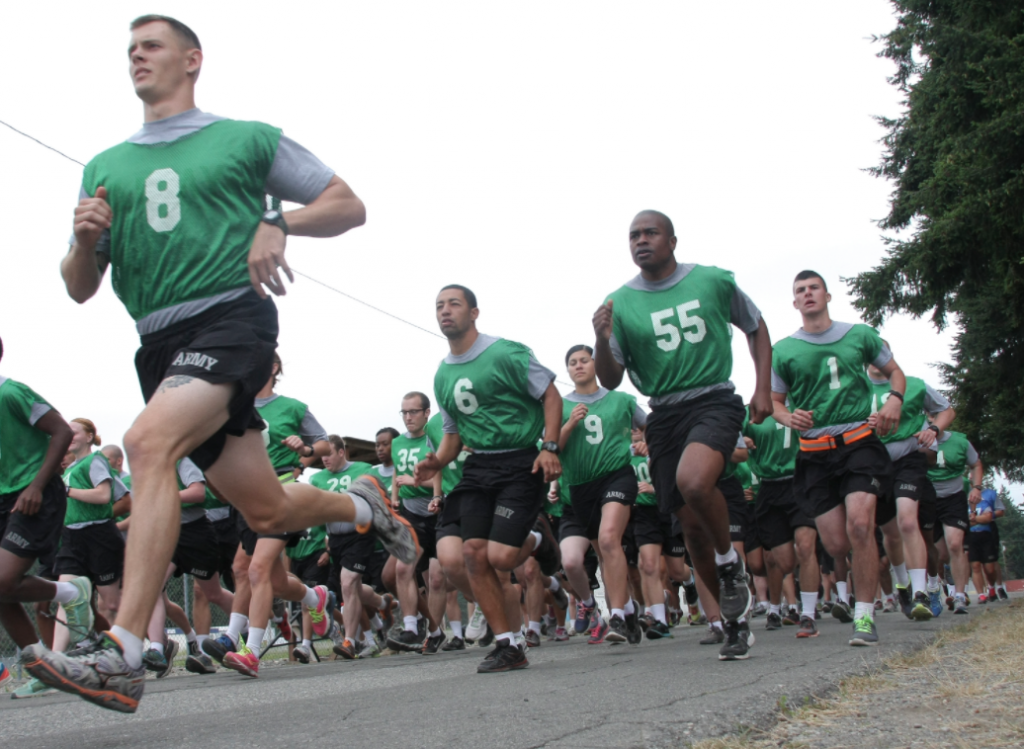
Missing a run can be a real blow to your motivation and progress. It’s easy to get discouraged and feel like you’ve derailed your entire training plan. However, the mental game is just as important as the physical one. Developing strong mental strategies is crucial for bouncing back from missed runs and staying on track towards your goals. This section focuses on techniques to maintain motivation, practice self-compassion, and reframe missed runs as opportunities.
Maintaining Motivation
It is important to understand that maintaining motivation involves several key strategies. These techniques help to keep you focused on your goals, even when setbacks occur.
- Focus on the Big Picture: Remind yourself of your long-term goals. Why did you start running in the first place? Is it for a race, to improve your health, or simply for enjoyment? Connecting with these larger motivations can help you overcome the immediate disappointment of missing a run. Visualize yourself achieving your goals.
- Celebrate Small Victories: Acknowledge and appreciate the runs you
-do* complete. Even if you missed one run, celebrate the progress you’ve made in your training overall. This can include the distance you’ve covered, the speed you’ve achieved, or simply the fact that you showed up and ran. - Set Realistic Expectations: Understand that setbacks are a normal part of training. Don’t expect to be perfect. Allow yourself grace and don’t let one missed run derail your entire plan. Recognize that consistency over time is more important than perfect adherence to your schedule.
- Find a Running Buddy or Join a Group: Having someone to run with or being part of a running community can provide support and accountability. Sharing your goals and challenges with others can help you stay motivated and feel less alone when you miss a run. Social support is a powerful motivator.
- Track Your Progress: Use a running log or app to track your runs and see your progress over time. Seeing your accomplishments visually can boost your motivation and remind you of how far you’ve come. Analyze the data to understand your training pattern.
Self-Compassion and Flexibility
Practicing self-compassion and incorporating flexibility into your training plan are essential for mental well-being and long-term success. This involves treating yourself with kindness and understanding when you miss a run, and adapting your plan to accommodate unexpected circumstances.
- Practice Self-Kindness: Treat yourself with the same kindness and understanding you would offer a friend who missed a run. Avoid harsh self-criticism. Instead, acknowledge your feelings and offer yourself words of encouragement.
- Challenge Negative Thoughts: When you miss a run, negative thoughts like “I’m a failure” or “I’ll never reach my goals” can creep in. Identify these thoughts and challenge them. Ask yourself if they are realistic and helpful. Replace them with more positive and supportive self-talk.
- Embrace Flexibility: Build flexibility into your training plan from the beginning. This might involve having a “rest day buffer” or incorporating cross-training activities that you enjoy. If you miss a run, adjust your plan accordingly, rather than feeling like you’ve completely failed.
- Listen to Your Body: Recognize that rest and recovery are essential components of training. Missing a run might be a sign that your body needs a break. Don’t push yourself if you’re feeling tired, sore, or unwell. Prioritize your health and well-being.
- Focus on the Process, Not Just the Outcome: Enjoy the journey of running. Focus on the positive aspects of your runs, such as the feeling of accomplishment, the time spent outdoors, or the mental clarity it provides. Appreciate the process of training, rather than fixating solely on race times or distances.
Reframing Missed Runs as Opportunities
Changing your perspective on missed runs can transform them from setbacks into opportunities for growth and improvement. This involves viewing them as chances for rest, recovery, and strategic adjustments to your training.
- Prioritize Rest and Recovery: A missed run can be an opportunity to prioritize rest and recovery. This could involve getting extra sleep, stretching, foam rolling, or engaging in other activities that promote physical and mental well-being.
- Review Your Training Plan: Use the missed run as a chance to review your training plan and assess your progress. Are you following a plan that’s appropriate for your current fitness level and goals? Do you need to adjust your schedule to accommodate your life circumstances?
- Cross-Train or Engage in Active Recovery: Instead of simply skipping a run, consider engaging in cross-training activities, such as swimming, cycling, or yoga. These activities can provide a cardiovascular workout while giving your running muscles a break. Alternatively, engage in active recovery, such as a light walk or a gentle bike ride.
- Identify and Address Underlying Issues: A missed run could be a symptom of a larger issue, such as overtraining, inadequate nutrition, or stress. Use this opportunity to identify and address any underlying problems that may be affecting your training.
- Reframe Your Perspective: Instead of viewing a missed run as a failure, see it as a valuable learning experience. Ask yourself what you can learn from the experience and how you can prevent similar situations in the future. This proactive approach can help you stay positive and focused on your goals.
Using Technology and Data for Adjustment

Leveraging technology is crucial for informed decision-making when adjusting your training plan. Running watches and apps provide a wealth of data, offering valuable insights into your performance and recovery. This information allows you to make evidence-based adjustments, optimizing your training for continued progress and minimizing the risk of injury.
Tracking Progress with Running Watches and Apps
Using a running watch or app effectively involves understanding how to interpret the data they collect. These devices typically track various metrics, providing a comprehensive view of your runs and overall fitness.
- Pace and Distance: These are fundamental metrics. Track your average pace per run, per mile, or per kilometer. Monitor the total distance covered during each workout and over the course of your training plan. This helps you ensure you’re meeting the intended intensity and volume goals.
- Heart Rate: Heart rate monitoring allows you to assess your effort level and ensure you’re training within the correct zones. Use it to determine whether you are training too hard, too easy, or in the ideal zone for your workout.
- Cadence: Cadence, or steps per minute, can influence running efficiency. Tracking your cadence helps you identify areas for improvement in your running form.
- Elevation Gain/Loss: For runners training on varied terrain, tracking elevation gain and loss provides insights into the difficulty of your runs.
- GPS Tracking: This function maps your runs, allowing you to review your route and identify areas for improvement, such as hills or difficult terrain.
Key Metrics Informing Training Adjustments
Beyond basic running metrics, certain advanced data points can significantly impact training adjustments. These metrics offer a deeper understanding of your body’s response to training and recovery.
- Heart Rate Variability (HRV): HRV measures the variation in time between heartbeats. Higher HRV generally indicates better recovery and readiness to train. Lower HRV can suggest fatigue or the need for rest. Regularly tracking HRV helps you identify when your body is stressed and requires additional recovery time.
- Sleep: Adequate sleep is critical for recovery and performance. Many running watches and apps integrate with sleep trackers to monitor sleep duration and quality. Reviewing your sleep data can help you determine if you’re getting enough rest to support your training.
- Resting Heart Rate (RHR): Your RHR is the number of times your heart beats per minute when you are at rest. A rising RHR can be an early indicator of fatigue, illness, or overtraining.
- Training Load: This metric quantifies the overall stress placed on your body by your training. It typically considers factors like duration, intensity, and frequency. Monitoring your training load helps you avoid overtraining and ensures a balanced approach to your plan.
Illustration: Reviewing Training Data on a Smart Device
Imagine a runner named Sarah, preparing for a marathon. She uses a popular running app on her smartwatch to track her progress. Let’s examine how she uses the data to make informed adjustments after missing a run due to a mild cold.
Sarah opens her running app on her smartwatch. The main dashboard displays her key metrics for the week. The screen shows the following:
Weekly Training Summary:
- Total Distance: 35 miles (Target: 40 miles)
- Number of Runs: 4 (Target: 5)
- Average Pace: 8:00 min/mile
- Longest Run: 10 miles
Detailed Data Points:
- HRV: Average of 45ms (Lower than her usual average of 55ms, indicating potential fatigue.)
- Sleep: Average of 6.5 hours per night (Below the recommended 7-9 hours for marathon training.)
- Resting Heart Rate: Increased to 68 bpm (Typically 60 bpm.)
Insights and Adjustments:
Sarah reviews her data. She sees that her HRV is lower, her sleep duration is reduced, and her resting heart rate is elevated. This data, combined with the fact that she missed a run due to a cold, suggests that her body is under stress. She decides to make the following adjustments to her training plan:
- Reduce Mileage: She reduces the distance of her next two scheduled runs by 20% to allow for better recovery.
- Prioritize Sleep: She makes a conscious effort to get more sleep by going to bed earlier and avoiding screen time before bed.
- Focus on Nutrition: She ensures she is eating a balanced diet and drinking enough water to support recovery.
- Monitor Symptoms: She continues to monitor her symptoms and training data to ensure her body is responding positively to the adjustments.
By analyzing the data from her smartwatch, Sarah is able to make informed decisions about her training. She is able to adjust her plan to account for the missed run and the signs of fatigue, optimizing her chances of successfully completing her marathon training.
Communication with a Coach or Training Partner
Missing a run can feel like a setback, but knowing how to communicate effectively with your support system can help you navigate these situations smoothly. This is particularly true when you have a coach or a training partner. They can offer valuable perspectives and support, helping you adjust your plan and stay on track.
Benefits of Seeking Guidance from a Coach
Working with a coach provides several advantages when you’ve missed a run. They possess the expertise to assess the impact of the missed run within the context of your overall training goals and fitness level.
- Personalized Assessment: A coach understands your training history, strengths, and weaknesses. They can accurately assess how a missed run affects your progress and adjust your plan accordingly. For example, if you’ve missed a key long run before a marathon, your coach can determine whether to shift the taper, adjust the remaining long runs, or even re-evaluate your race goals.
- Objective Perspective: Coaches offer an unbiased view of your training. They can help you avoid emotional decisions and focus on the best course of action for your long-term success. They can prevent overcompensation after a missed run, which could lead to injury.
- Strategic Plan Adjustments: Coaches are skilled at modifying training plans. They can make informed decisions about mileage, intensity, and recovery based on your individual circumstances. They can suggest alternative workouts, modify the upcoming schedule, or advise on recovery strategies.
- Motivation and Accountability: A coach provides ongoing support and accountability. Knowing you have someone to report to can encourage you to stick to your adjusted plan and stay motivated.
Effective Communication with a Training Partner
Communicating effectively with a training partner is essential, especially when your schedules change. This ensures you can still support each other and maintain your training goals.
- Transparency: Be upfront and honest about why you missed the run. Whether it’s due to illness, injury, or scheduling conflicts, sharing the reason builds trust and understanding.
- Timely Notification: Let your partner know as soon as possible that you’ll miss a run. This allows them to adjust their plans and avoid waiting for you.
- Propose Alternatives: If possible, suggest alternative ways to train together. Maybe you can shift the run to another day, modify the workout, or find a different activity to do together.
- Empathy and Support: Show empathy and support for your partner’s situation. A missed run can be frustrating for everyone. Offer encouragement and help them stay positive.
- Collaborative Adjustment: Work together to adjust your joint training plan. Consider how the missed run impacts both of your goals and make informed decisions together.
Example Conversation: Runner and Coach
Here’s an example of a conversation between a runner, Sarah, and her coach, David, after she missed a tempo run due to a minor cold.
Sarah: “Hi David, I’m so bummed. I woke up this morning feeling under the weather and had to skip my tempo run.”
David: “Hey Sarah, no worries. Health comes first. How are you feeling now?”
Sarah: “Better, but still a little congested. I’m worried about falling behind on my marathon training.”
David: “Let’s look at your plan.The tempo run was important, but we can adjust. How about we replace it with an easy run today and focus on recovery? We’ll shift the next tempo run to Wednesday. Also, make sure you prioritize rest and hydration. We don’t want to risk a more serious illness.”
Sarah: “Okay, that sounds good.Should I adjust the mileage for the easy run?”
David: “Yes, reduce it by about 20% to allow for extra recovery. Listen to your body. If you still feel tired, take an extra rest day. The long run on the weekend remains, but we’ll adjust the pace if needed. The most important thing is to stay healthy and avoid overdoing it.”
Sarah: “Great, thanks David.I feel much better now.”
David: “You’re welcome, Sarah. We’ll monitor your progress and adjust the plan as needed. The key is to be flexible and listen to your body. This is a marathon, not a sprint!”
Ending Remarks
In conclusion, navigating missed runs is an essential skill for any runner. By understanding the underlying principles, adapting your plan strategically, and embracing flexibility, you can turn setbacks into opportunities for growth. Remember to listen to your body, communicate effectively, and leverage available resources to ensure your training journey remains enjoyable and successful. With the right approach, you can confidently overcome missed runs and achieve your running aspirations.