Preparing for a marathon is a journey that demands meticulous attention to detail, and one of the most critical aspects often overlooked is hydration. This guide, focusing on How to Hydrate Properly in the Days Leading Up to a Marathon, will equip you with the knowledge and strategies needed to conquer the race with optimal performance and well-being.
We’ll explore the physiological impact of dehydration, develop personalized hydration plans, and navigate the complexities of fluid intake, electrolyte balance, and dietary considerations. From the weeks leading up to the race to the final taper, we’ll cover everything you need to know to stay ahead of the curve and cross the finish line strong.
Understanding the Importance of Hydration Before a Marathon
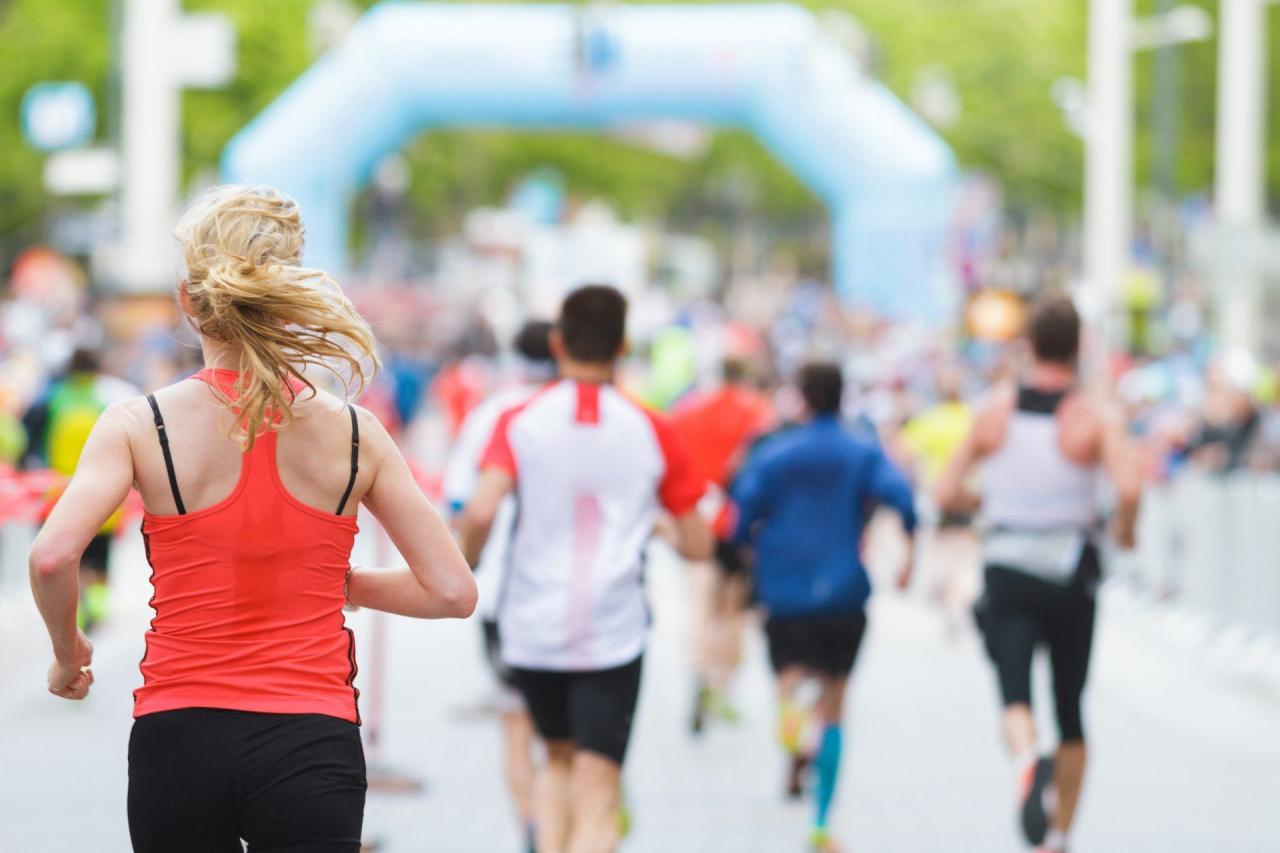
Proper hydration is a cornerstone of successful marathon running. It’s not just about drinking water; it’s about strategically managing your fluid and electrolyte intake in the days leading up to the race. Dehydration can severely compromise your performance and even endanger your health. Understanding the physiological impacts of dehydration and the benefits of optimal hydration is crucial for every marathon runner.
Physiological Effects of Dehydration on Marathon Performance
Dehydration significantly impacts your body’s ability to perform at its best. Even mild dehydration can lead to noticeable declines in performance.
- Reduced Blood Volume: Dehydration reduces blood volume, making it harder for your heart to pump blood to your muscles and skin. This limits oxygen delivery to working muscles, decreasing endurance.
- Increased Heart Rate: To compensate for reduced blood volume, your heart rate increases. This puts extra strain on your cardiovascular system and reduces the efficiency of your running.
- Elevated Body Temperature: Sweat is the primary mechanism for cooling your body during exercise. Dehydration impairs your ability to sweat effectively, leading to a dangerous rise in body temperature.
- Muscle Cramps and Fatigue: Dehydration disrupts electrolyte balance, which is essential for muscle function. This can lead to muscle cramps and premature fatigue, ultimately affecting your pace and overall performance.
- Impaired Cognitive Function: Dehydration can also negatively impact your cognitive abilities, affecting decision-making, focus, and reaction time, which are all crucial during a marathon.
Hydration’s Impact on Muscle Function and Endurance
Adequate hydration is critical for maintaining muscle function and sustaining endurance during a marathon. The role of water and electrolytes is multifaceted.
- Efficient Muscle Contraction: Muscles require water and electrolytes like sodium, potassium, and magnesium for proper contraction and relaxation. Dehydration disrupts this balance, leading to muscle cramps and fatigue.
- Enhanced Oxygen Delivery: Adequate blood volume, maintained through proper hydration, ensures efficient oxygen delivery to working muscles. This allows muscles to function optimally for a longer duration.
- Improved Nutrient Transport: Water is the primary medium for transporting nutrients to muscles and removing waste products. Proper hydration facilitates this process, supporting muscle recovery and performance.
- Sustained Energy Production: Water plays a crucial role in metabolic processes that produce energy. Hydration ensures these processes function efficiently, supporting endurance.
- Reduced Perceived Exertion: Studies have shown that adequately hydrated runners often perceive the same effort as less strenuous than dehydrated runners. This can significantly improve endurance and performance.
Potential Risks of Inadequate Hydration
Failing to hydrate properly before a marathon carries serious health risks, including heatstroke and hyponatremia.
- Heatstroke: This is a life-threatening condition that occurs when the body’s temperature rises to dangerous levels. Dehydration impairs the body’s ability to cool itself through sweating, significantly increasing the risk of heatstroke. Symptoms include high body temperature, confusion, and loss of consciousness. In severe cases, heatstroke can lead to organ damage and death.
- Hyponatremia: This condition occurs when sodium levels in the blood become dangerously low. It can be caused by over-hydration with plain water, especially during prolonged exercise. Symptoms include nausea, vomiting, headache, confusion, and, in severe cases, seizures and coma. Marathon runners are particularly susceptible to hyponatremia if they consume excessive amounts of plain water without adequate electrolyte intake.
- Dehydration-Induced Fatigue and Reduced Performance: As previously discussed, dehydration directly impacts performance, reducing endurance and increasing the risk of injury.
- Kidney Damage: Severe dehydration can lead to acute kidney injury, especially during intense physical activity.
Establishing a Hydration Plan

Proper hydration in the weeks leading up to a marathon is crucial for optimal performance and preventing dehydration-related issues. A well-structured hydration plan helps your body adapt to increased fluid needs and ensures you start the race in a state of optimal hydration. This plan should be tailored to your individual needs and adjusted based on your training intensity and environmental conditions.
Designing a Hydration Schedule for the 2-4 Weeks Before the Race
Creating a structured hydration schedule is key to preparing your body for the demands of a marathon. This involves gradually increasing your fluid intake and consistently monitoring your hydration levels. The following table provides a sample hydration plan. Remember to adjust the fluid intake based on your individual needs, training load, and environmental factors.
| Days Before the Race | Fluid Intake Target (approx.) | Monitoring Methods | Notes |
|---|---|---|---|
| 28-21 Days (4-3 Weeks) | 2.5-3 Liters per day (adjust based on training) | Urine color (pale yellow), Thirst, Weight monitoring (consistent) | Gradually increase fluid intake. Focus on drinking throughout the day, not just during workouts. |
| 20-14 Days (3-2 Weeks) | 3-3.5 Liters per day (increase on longer run days) | Urine color (very pale yellow), Thirst, Weight monitoring (consistent), Sweat rate during training | Increase fluid intake slightly, especially on days with longer or more intense training sessions. Consider adding electrolytes to your drinks, particularly if you sweat heavily. |
| 13-7 Days (2-1 Weeks) | 3.5-4 Liters per day (adjust based on training and weather) | Urine color (almost clear), Thirst, Weight monitoring (consistent), Check for signs of dehydration (headache, fatigue) | Maintain high fluid intake. Pay close attention to your body’s signals. Adjust intake based on weather conditions (hotter days require more fluid). |
| 6-1 Days (Race Week) | 4-5 Liters per day (increase slightly on long run days) | Urine color (clear), Thirst, Weight monitoring (consistent), Monitor for hyponatremia symptoms (rare, but important) | Continue high fluid intake. Be mindful of sodium intake to avoid hyponatremia (low sodium levels). Avoid excessive fluid intake in the hours leading up to the race. |
Detailing How to Monitor Hydration Levels
Regularly monitoring your hydration levels is essential to ensure your hydration plan is effective. Several methods can be used to assess your hydration status.
- Urine Color: This is one of the easiest and most accessible methods. Pale yellow or clear urine indicates good hydration. Dark yellow urine suggests dehydration.
- Thirst: Listen to your body. Thirst is a reliable indicator of dehydration. Drink when you feel thirsty, but don’t wait until you are extremely thirsty.
- Weight Monitoring: Weigh yourself consistently at the same time each day (e.g., morning) to track any significant fluctuations. A sudden weight loss could indicate dehydration, while excessive weight gain could indicate overhydration or fluid retention.
- Sweat Rate: For those who sweat heavily, monitoring your sweat rate during training can help you estimate fluid loss. Weigh yourself before and after a workout to calculate the difference, which represents fluid loss. This information can help you adjust your fluid intake.
- Symptoms of Dehydration: Be aware of the signs of dehydration, such as headaches, fatigue, dizziness, and muscle cramps. If you experience any of these symptoms, increase your fluid intake immediately.
Hydration Strategies: The Final Week
The final week before your marathon is crucial for fine-tuning your hydration strategy. This period is about optimizing your fluid and electrolyte balance to ensure you start the race fully hydrated and ready to perform. This section details a specific hydration protocol, how to adjust it based on the weather, and provides examples of electrolyte-rich drinks and their benefits.
Hydration Protocol for the Final Week
Following a consistent hydration plan is key to success. This protocol is designed to help you reach the starting line well-hydrated and ready to run. Remember to listen to your body and adjust as needed.
- Monday – Wednesday: Increased Hydration. Begin by increasing your fluid intake slightly above your usual daily amount. Aim for around 2.5 to 3 liters of water daily, distributed throughout the day. This is especially important if you have any remaining longer runs or high-intensity workouts. Include electrolyte-rich drinks, particularly after training sessions.
- Thursday: Moderate Hydration. Reduce your fluid intake slightly compared to the earlier days, but maintain a good level of hydration. This allows your body to adjust and prevents over-hydration, which can lead to hyponatremia. Continue to include electrolyte-rich drinks, particularly before and after shorter runs.
- Friday: Pre-Race Hydration. On the day before the marathon, focus on consistent, moderate hydration. Drink water and electrolyte-rich beverages throughout the day. Avoid excessive fluid intake, as this could lead to frequent bathroom breaks on race day. A good strategy is to sip fluids regularly.
- Saturday (Race Day): Race Day Hydration. The morning of the race, continue to hydrate with water and electrolyte drinks. Aim to drink small amounts frequently, especially during the pre-race warm-up.
Adjusting Fluid Intake Based on Weather and Training Intensity
Weather conditions and the intensity of your training play a significant role in your hydration needs. It’s crucial to adapt your plan accordingly.
For Warmer Weather: In warmer weather, your body loses more fluids through sweat. Increase your fluid intake and electrolyte consumption. Consider drinking more electrolyte-rich beverages and adding a pinch of salt to your meals.
For Cooler Weather: You might not feel as thirsty in cooler weather, but your body still needs hydration. Maintain your fluid intake, but you may not need as many electrolytes unless you’re sweating heavily. Pay attention to your urine color; it should be pale yellow.
For High-Intensity Training: During intense workouts, you lose more fluids and electrolytes. Increase your fluid intake and prioritize electrolyte replacement, particularly after these sessions. This helps replenish what you’ve lost and supports muscle function.
Electrolyte-Rich Drinks and Their Benefits
Electrolytes are essential for maintaining fluid balance, muscle function, and nerve transmission. Incorporating electrolyte-rich drinks into your hydration plan is crucial.
Here are some examples of electrolyte-rich drinks and their benefits:
- Sports Drinks: These drinks typically contain sodium, potassium, and carbohydrates. They help replenish electrolytes lost through sweat, provide energy, and can improve performance during long runs.
- Coconut Water: A natural source of electrolytes, particularly potassium. It’s a refreshing option, but it may not contain enough sodium for intense workouts or hot weather.
- Electrolyte Tablets/Powders: These can be added to water to create a customized electrolyte drink. They offer a convenient way to control the electrolyte content.
- Homemade Electrolyte Drink: You can create your own by mixing water, a pinch of sea salt, and a small amount of fruit juice or honey for flavor and a bit of carbohydrate.
Types of Fluids and Their Impact
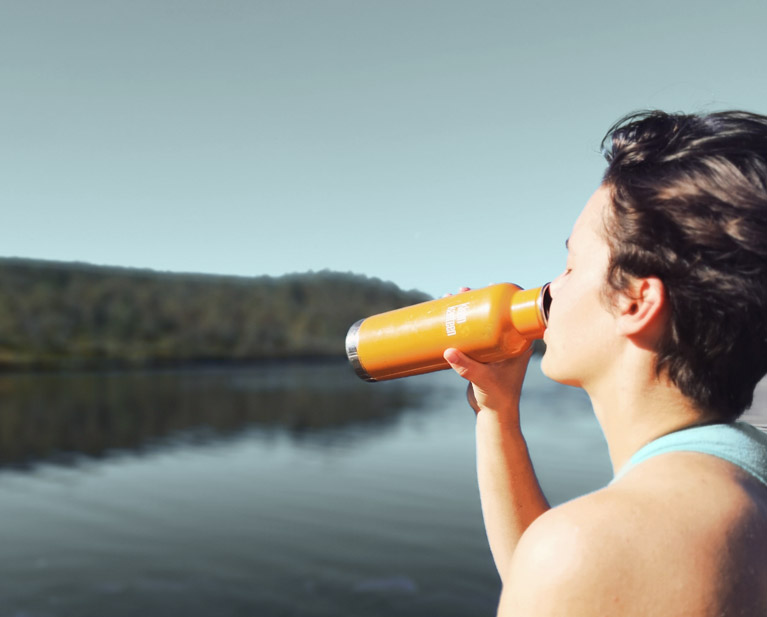
Choosing the right fluids is crucial for optimal pre-marathon hydration. Different beverages offer varying benefits and drawbacks, impacting how effectively your body absorbs and utilizes fluids and electrolytes. Understanding these differences empowers you to make informed choices, ensuring you’re well-prepared for the race.
Comparing Water, Sports Drinks, and Other Beverages
Water is the foundation of hydration, but other beverages can offer additional advantages, particularly in the context of endurance events like a marathon. Each type of fluid has its specific role in the hydration process.
- Water: The primary source of hydration. It’s readily available and essential for all bodily functions, including regulating temperature and transporting nutrients. However, water alone doesn’t replace electrolytes lost through sweat.
- Sports Drinks: Designed to replenish fluids, electrolytes, and provide carbohydrates for energy. They typically contain sodium, potassium, and carbohydrates like glucose or sucrose. These are particularly beneficial during longer training runs or the marathon itself, when electrolyte and carbohydrate depletion is significant. For example, a typical sports drink might contain 14 grams of carbohydrates, 110mg of sodium, and 30mg of potassium per 8-ounce serving.
- Other Beverages: Include fruit juices, coconut water, and electrolyte-enhanced water. Fruit juices offer vitamins and carbohydrates but can be high in sugar. Coconut water is a natural source of electrolytes, particularly potassium, but may not provide sufficient sodium. Electrolyte-enhanced water provides electrolytes without the added sugars of sports drinks. However, they may not provide enough carbohydrates for sustained energy during the marathon.
Pros and Cons of Different Electrolyte Formulations
Electrolyte formulations are designed to replace the electrolytes lost through sweat, which are crucial for maintaining fluid balance and muscle function. The composition of these formulations can vary, impacting their effectiveness.
- Sodium-focused formulations: Ideal for individuals who are heavy sweaters or who are training in hot and humid conditions. These formulations help retain fluids and prevent hyponatremia (low sodium levels). A typical example might contain 300-500mg of sodium per liter of fluid.
- Potassium-focused formulations: Beneficial for preventing muscle cramps. However, excessive potassium intake can lead to hyperkalemia (high potassium levels), which can be dangerous.
- Balanced formulations: Contain a combination of sodium, potassium, and other electrolytes, aiming for a more comprehensive replacement of what’s lost through sweat. These are generally a good choice for most runners. A balanced formulation might include 200mg of sodium, 100mg of potassium, and 20mg of magnesium per liter.
- Considerations: The ideal electrolyte formulation depends on individual sweat rates, environmental conditions, and the duration of the run. Experimenting with different formulations during training is essential to find what works best for you.
The Role of Sodium, Potassium, and Magnesium in Maintaining Hydration
These three electrolytes play critical roles in maintaining fluid balance, muscle function, and overall performance during a marathon. Their balance is crucial for effective hydration.
- Sodium: The primary electrolyte lost through sweat. It helps to retain fluids in the body, preventing excessive urination and maintaining blood volume. It also plays a key role in nerve impulse transmission and muscle contraction. A significant sodium deficit can lead to hyponatremia, a potentially life-threatening condition.
- Potassium: Essential for muscle function, nerve transmission, and regulating fluid balance inside cells. It helps prevent muscle cramps and supports proper heart function. Potassium is also lost through sweat, although to a lesser extent than sodium. For example, a banana, a natural source of potassium, contains approximately 422mg of potassium.
- Magnesium: Involved in muscle function, energy production, and bone health. It helps prevent muscle cramps and fatigue. Magnesium deficiency can contribute to muscle spasms and other performance issues.
- Interactions: These electrolytes work synergistically. Sodium helps retain fluid, potassium helps regulate fluid balance within cells, and magnesium supports muscle function. Maintaining the right balance of these electrolytes is critical for preventing dehydration, muscle cramps, and other performance-related problems.
Dietary Considerations for Hydration
Incorporating hydrating foods into your diet is a crucial strategy for optimizing hydration levels in the days leading up to a marathon. While drinking sufficient fluids is paramount, the food you consume can significantly contribute to your overall hydration status. This section explores how to effectively integrate water-rich foods into your pre-marathon nutrition plan, providing examples and a sample meal plan to guide you.
Incorporating Hydrating Foods into Your Diet
The key to using food for hydration is to focus on foods with a high water content. These foods not only contribute to your fluid intake but also provide essential nutrients, electrolytes, and fiber. This combination supports optimal performance and recovery.To effectively incorporate hydrating foods:
- Prioritize Whole, Unprocessed Foods: Fruits and vegetables are generally excellent sources of water. Choose fresh, whole options over processed alternatives.
- Snack Smartly: Keep hydrating snacks readily available. This helps you consistently replenish fluids throughout the day.
- Plan Meals Strategically: Structure your meals around water-rich foods. Include these foods in every meal and snack to maximize their hydrating benefits.
- Consider the Timing: Consume hydrating foods throughout the day, especially between meals and after workouts.
Water-Rich Foods and Their Nutritional Benefits
A wide variety of foods are naturally high in water content and offer diverse nutritional benefits. Understanding the nutritional value of these foods helps in making informed choices for your pre-marathon diet.Here are some examples of water-rich foods and their nutritional advantages:
- Watermelon: Watermelon is approximately 92% water. It also contains lycopene, an antioxidant that may help reduce muscle soreness. It’s also a source of vitamin A and vitamin C.
- Cucumbers: Cucumbers are about 96% water. They provide a refreshing crunch and are low in calories. Cucumbers also contain vitamin K, potassium, and magnesium.
- Strawberries: Strawberries are around 91% water and packed with vitamin C and antioxidants. They contribute to immune function and reduce inflammation.
- Spinach: Spinach, although a leafy green, contains about 91% water. It’s rich in vitamins A and K, iron, and folate.
- Celery: Celery is approximately 95% water. It’s a good source of fiber and contains vitamins and minerals, although its nutritional density is lower compared to some other hydrating foods.
- Tomatoes: Tomatoes are around 95% water. They provide lycopene, vitamin C, and potassium.
- Oranges: Oranges are about 88% water and an excellent source of vitamin C. They also contain fiber and potassium.
Sample Meal Plan Incorporating Hydrating Foods for Pre-Marathon Days
Creating a sample meal plan allows you to see how to practically integrate hydrating foods into your daily diet. This plan is designed to be a template; adjust portion sizes and food choices to suit your individual needs and preferences. Remember to consult with a registered dietitian or sports nutritionist for personalized guidance.This meal plan assumes a moderate training schedule with one or two longer runs per week:
Day 1 (3 Days Before Marathon)
- Breakfast: Oatmeal with sliced strawberries and a glass of orange juice. (Hydrating foods: Strawberries, orange juice)
- Mid-Morning Snack: Cucumber slices with hummus. (Hydrating foods: Cucumber)
- Lunch: Large salad with spinach, tomatoes, and grilled chicken, dressed with a light vinaigrette. (Hydrating foods: Spinach, tomatoes)
- Afternoon Snack: Watermelon chunks. (Hydrating foods: Watermelon)
- Dinner: Baked salmon with a side of steamed broccoli and a side salad with celery. (Hydrating foods: Celery)
- Evening Snack: A small bowl of berries. (Hydrating foods: Berries)
Day 2 (2 Days Before Marathon)
- Breakfast: Smoothie made with spinach, banana, water, and a scoop of protein powder. (Hydrating foods: Spinach, water)
- Mid-Morning Snack: Orange. (Hydrating foods: Oranges)
- Lunch: Chicken and vegetable wrap with a whole-wheat tortilla, cucumber, and lettuce. (Hydrating foods: Cucumber)
- Afternoon Snack: A small bowl of mixed berries. (Hydrating foods: Berries)
- Dinner: Pasta with tomato sauce, lean ground turkey, and a side of steamed green beans. (Hydrating foods: Tomato sauce)
- Evening Snack: A small bowl of watermelon. (Hydrating foods: Watermelon)
Day 3 (1 Day Before Marathon)
- Breakfast: Pancakes with strawberries and a glass of orange juice. (Hydrating foods: Strawberries, orange juice)
- Mid-Morning Snack: Celery sticks with peanut butter. (Hydrating foods: Celery)
- Lunch: Turkey and tomato sandwich on whole-wheat bread. (Hydrating foods: Tomatoes)
- Afternoon Snack: Small orange and a handful of nuts. (Hydrating foods: Oranges)
- Dinner: Chicken and rice with a side salad (avoiding high-fiber greens). (Hydrating foods: Salad)
- Evening Snack: A small bowl of berries. (Hydrating foods: Berries)
This meal plan emphasizes water-rich foods, provides a balance of carbohydrates, protein, and healthy fats, and ensures sufficient hydration. Remember to adjust the plan based on your individual needs and preferences.
Recognizing and Addressing Dehydration Symptoms
Understanding how your body communicates its hydration needs is crucial for a successful marathon. Recognizing the early warning signs of dehydration allows you to take proactive measures, preventing the condition from worsening and potentially impacting your race performance. Prompt action is vital, and knowing how to respond effectively can make all the difference.
Early Signs of Dehydration
The human body provides several signals indicating it needs more fluids. Being aware of these early signs is key to preventing dehydration from escalating.
- Thirst: This is the most obvious and common indicator. However, relying solely on thirst can be misleading, as it’s often a late-stage symptom.
- Dry Mouth and Throat: A sticky or dry feeling in your mouth and throat often precedes the sensation of thirst.
- Dark Urine: Concentrated urine, appearing dark yellow or amber, is a telltale sign of dehydration. Pale yellow urine indicates good hydration.
- Reduced Urination Frequency: Producing less urine than usual, or not needing to urinate as frequently, suggests a lack of fluids.
- Fatigue and Weakness: Dehydration can reduce blood volume, leading to fatigue and a general feeling of weakness.
- Headache: Dehydration can trigger headaches, ranging from mild to severe.
- Dizziness or Lightheadedness: Reduced blood flow to the brain due to dehydration can cause dizziness.
Responding to Dehydration Symptoms
If you experience any of the above symptoms, prompt action is necessary. Rehydration involves replenishing fluids and electrolytes.
- Assess the Severity: Evaluate the symptoms. Mild symptoms, such as thirst and slightly dark urine, can often be addressed quickly. More severe symptoms, like dizziness or confusion, require immediate attention.
- Stop Activity: If you are exercising or engaged in physical activity, stop immediately and rest.
- Rehydrate: The primary focus is to replenish fluids. Drink water or a sports drink containing electrolytes. Avoid sugary drinks, which can worsen dehydration.
- Rest and Recovery: Allow your body time to recover. Rest in a cool environment.
- Monitor Symptoms: Continue to monitor your symptoms. If they worsen or do not improve, seek medical attention.
Flow Chart: Steps to Take for Dehydration Symptoms
Here is a simplified flowchart to guide your response to dehydration symptoms:
Step 1: Recognize Symptoms
Identify symptoms such as thirst, dark urine, fatigue, or headache.
Step 2: Stop Activity
Immediately cease any physical activity.
Step 3: Assess Severity
Determine the severity of the symptoms (mild, moderate, or severe).
Step 4: Rehydrate
Drink water or an electrolyte-rich sports drink. Avoid sugary drinks.
Step 5: Rest and Cool Down
Rest in a cool environment.
Step 6: Monitor Symptoms
Observe if symptoms improve, worsen, or remain unchanged.
Step 7: Seek Medical Attention (if necessary)
If symptoms worsen or don’t improve, or if severe symptoms are present (e.g., confusion, severe dizziness), seek medical attention immediately.
Hydration During Tapering
As you enter the tapering phase of your marathon training, your body’s needs shift. While hydration remains crucial, the approach must be adjusted to align with the reduced training volume and the goals of this period. This section will guide you through the specific hydration considerations for the taper, helping you optimize your performance on race day.
Hydration Needs Change During the Tapering Phase
During the taper, your training mileage significantly decreases, leading to a corresponding reduction in sweat rate and fluid loss. However, your body continues to need adequate hydration for recovery and optimal glycogen storage. This phase requires a strategic adjustment to your fluid intake.
Adjusting Fluid Intake as Training Volume Decreases
As your training volume lessens, your fluid needs also decrease. The key is to listen to your body and adjust your intake accordingly.
- Monitor Thirst: Rely on your thirst mechanism as a primary indicator. Drink when you feel thirsty, but don’t force fluids if you’re not.
- Reduce Electrolyte Intake: With less sweating, you’ll lose fewer electrolytes. Reduce your intake of electrolyte-rich sports drinks, especially if you’re not engaging in intense workouts. Water should become your primary source of hydration.
- Maintain Urine Color Monitoring: Continue to monitor your urine color. Aim for a pale yellow color, indicating adequate hydration. Darker urine suggests you need to increase your fluid intake.
- Adjust Fluid Intake Around Workouts: Even during the taper, you’ll still have some workouts. Hydrate before, during (if necessary), and after these sessions, but adjust the volume based on the intensity and duration.
Relationship Between Hydration and Glycogen Storage During the Taper Period
Adequate hydration plays a vital role in glycogen storage, which is crucial for energy during the marathon. Glycogen is stored in the muscles and liver, and water is essential for this process.
- Glycogen Storage Process: Glycogen storage involves water. For every gram of glycogen stored, your body stores approximately 3 grams of water.
- Optimizing Glycogen Loading: During the taper, you’ll likely increase your carbohydrate intake to maximize glycogen stores. Proper hydration supports this process. Ensure you are adequately hydrated to facilitate glycogen storage.
- Example: Consider a runner aiming to store 500 grams of glycogen. This process requires approximately 1500 grams (1.5 liters) of water.
- Impact of Dehydration: Dehydration can impair glycogen storage, reducing the amount of energy available for the marathon.
Hydration and Sleep
Proper hydration plays a critical, often underestimated, role in achieving high-quality sleep. Dehydration can disrupt sleep patterns, leading to fatigue and hindering the body’s natural recovery processes. Conversely, optimal hydration can significantly improve sleep quality, contributing to overall health and performance, especially important in the days leading up to a marathon.
Connection Between Hydration and Sleep Quality
The relationship between hydration and sleep is multifaceted. Dehydration can lead to a variety of sleep disturbances. The body’s biological processes are heavily reliant on water, and when water levels are low, these processes become less efficient. This can manifest in several ways, impacting the quality of sleep.
- Increased Nighttime Awakenings: Dehydration can cause the body to release hormones like cortisol, which can disrupt sleep cycles and lead to more frequent awakenings. This is particularly noticeable in the later stages of sleep.
- Muscle Cramps: Muscle cramps are a common side effect of dehydration, especially at night. These cramps can be extremely painful and disruptive to sleep. The body loses electrolytes through sweat, and if these aren’t replenished, muscles are more prone to cramping.
- Headaches: Dehydration can trigger headaches, which can make it difficult to fall asleep and stay asleep. Blood volume decreases during dehydration, which can affect blood flow to the brain and cause headaches.
- Reduced REM Sleep: Research suggests that dehydration can negatively impact the amount of REM (Rapid Eye Movement) sleep a person gets. REM sleep is crucial for cognitive function, memory consolidation, and emotional processing.
- Snoring and Breathing Difficulties: Dehydration can thicken the mucus in the nasal passages, potentially contributing to snoring and making it harder to breathe comfortably during sleep.
Optimizing Hydration to Improve Sleep
Prioritizing hydration can significantly improve sleep quality. Making strategic adjustments to your fluid intake throughout the day can promote better sleep patterns and enhance overall well-being.
- Adequate Daytime Hydration: Ensure you’re drinking enough water throughout the day, especially in the hours leading up to bedtime. Aim to consume a sufficient amount of fluids consistently, rather than trying to cram it all in at the end of the day.
- Electrolyte Balance: Pay attention to electrolyte intake, particularly sodium, potassium, and magnesium. These minerals play a crucial role in hydration and muscle function. Consider adding electrolyte-rich drinks or supplements to your daily routine.
- Limit Caffeine and Alcohol: Caffeine and alcohol are diuretics, which can lead to dehydration and disrupt sleep. Avoid these substances, particularly in the evening hours.
- Pre-Bedtime Hydration: Drink a glass of water or an electrolyte-rich beverage about an hour before bed. This can help ensure you’re adequately hydrated throughout the night.
- Listen to Your Body: Pay attention to your body’s thirst cues. Don’t wait until you’re severely thirsty to drink. Keep water accessible throughout the day and evening.
Strategies for Maintaining Hydration Throughout the Night
Maintaining hydration throughout the night is essential for uninterrupted sleep. Several practical strategies can help ensure you stay properly hydrated while you sleep.
- Keep Water Beside Your Bed: Place a water bottle or glass of water within easy reach of your bed. This allows you to quickly rehydrate if you wake up feeling thirsty.
- Consider Electrolyte Supplements: If you tend to sweat a lot during the night, especially if you have night sweats, consider taking an electrolyte supplement before bed. This can help replenish lost minerals and prevent muscle cramps.
- Avoid Excessive Evening Fluid Intake: While staying hydrated is important, drinking too much fluid right before bed can lead to frequent trips to the bathroom, disrupting your sleep. Find a balance that works for you.
- Adjust Fluid Intake Based on Weather and Activity: If you live in a hot climate or have been physically active during the day, you may need to increase your fluid intake in the evening to compensate for increased fluid loss.
- Monitor Urine Color: Use your urine color as a guide to assess your hydration levels. Aim for pale yellow urine, which indicates proper hydration. Dark yellow urine is a sign of dehydration.
Avoiding Overhydration

While staying adequately hydrated is crucial for marathon performance, it’s equally important to avoid overhydration. Drinking excessive amounts of fluids, particularly plain water, can lead to a dangerous condition called hyponatremia, which can significantly impact your race. This section will delve into the risks of overhydration, provide guidance on preventing it, and Artikel the symptoms and management of hyponatremia.
Risks of Overhydration: Hyponatremia
Overhydration occurs when you consume too much fluid, diluting the sodium levels in your blood. This imbalance can lead to hyponatremia, a condition characterized by low sodium concentration. Sodium is an electrolyte that plays a vital role in maintaining fluid balance within the body, and when sodium levels drop, cells begin to swell, potentially affecting brain function.Hyponatremia is a serious condition that can be life-threatening.
It’s more common in endurance events, especially marathons, where athletes may drink excessively due to fear of dehydration. Several factors can contribute to hyponatremia:
- Excessive Fluid Intake: Consuming too much fluid, especially plain water, before, during, and after a race.
- Prolonged Exercise: Extended periods of physical activity, like a marathon, can increase the risk.
- Sodium Loss: Excessive sweating can lead to significant sodium loss.
- Individual Factors: Certain medical conditions, medications (like diuretics), and individual variations in sodium balance can increase susceptibility.
The severity of hyponatremia depends on the rate at which sodium levels decline. Mild cases may cause few symptoms, while severe cases can lead to seizures, coma, and even death.
Avoiding Excessive Fluid Intake
Preventing overhydration involves developing a hydration strategy that balances fluid intake with individual needs and environmental conditions. Here’s how to avoid drinking too much:
- Listen to Your Thirst: The most reliable indicator of your hydration needs is your thirst. Drink when you feel thirsty, and stop when you’re no longer thirsty.
- Don’t Over-Hydrate Before the Race: Avoid drinking large volumes of fluid in the hours leading up to the race. A good practice is to drink small amounts of fluids regularly.
- Use a Personalized Hydration Plan: During training, experiment with different fluid intake strategies to determine your individual needs. Consider factors like sweat rate, weather conditions, and the duration of your runs.
- Monitor Your Weight: Weigh yourself before and after long runs to estimate fluid loss through sweat. This can help you refine your hydration plan. If your weight increases during a run, you’re likely drinking too much.
- Consider Electrolyte Drinks: Electrolyte drinks can help replenish sodium lost through sweat, reducing the risk of hyponatremia. However, be mindful of the sodium content and avoid overconsumption.
- Avoid Drinking Excessive Amounts of Water: Drinking large volumes of plain water is a major contributor to hyponatremia.
A study published in theClinical Journal of Sport Medicine* found that runners who drank excessively during a marathon were at a significantly higher risk of developing hyponatremia. This underscores the importance of a balanced approach to hydration.
Symptoms and Management of Hyponatremia
Recognizing the symptoms of hyponatremia is crucial for early intervention. The symptoms can vary in severity, but common signs include:
- Nausea and Vomiting: These are often early signs.
- Headache: A common symptom, often accompanied by confusion.
- Swelling of Hands and Feet: Due to fluid accumulating in the cells.
- Confusion and Disorientation: Affecting cognitive function.
- Muscle Weakness and Fatigue: Related to electrolyte imbalance.
- Seizures and Coma: Severe cases can lead to neurological complications.
If you experience any of these symptoms during a marathon or after a long run, it’s crucial to seek immediate medical attention. Treatment for hyponatremia typically involves:
- Fluid Restriction: Reducing fluid intake to allow sodium levels to rise.
- Sodium Administration: In severe cases, intravenous administration of sodium solutions may be necessary.
- Medical Supervision: Close monitoring of sodium levels and overall condition.
It is important to understand that the primary goal of treatment is to increase sodium levels in the blood to a safe range.
The Role of Caffeine and Alcohol
Caffeine and alcohol, while common parts of many people’s routines, can significantly impact hydration, especially when preparing for a marathon. Understanding their effects and adjusting consumption accordingly is crucial for optimal performance and avoiding unwanted setbacks on race day. Let’s explore how these substances interact with your body’s hydration levels and how to manage them effectively.
Impact of Caffeine and Alcohol on Hydration
Both caffeine and alcohol are diuretics, meaning they increase urine production, leading to fluid loss. This can contribute to dehydration if fluid intake doesn’t keep pace with the increased output. The effects differ slightly:* Caffeine, found in coffee, tea, energy drinks, and some pre-workout supplements, can have a mild diuretic effect. Its impact varies depending on individual tolerance and the amount consumed.* Alcohol, on the other hand, strongly inhibits the release of vasopressin (antidiuretic hormone), which is responsible for reabsorbing water in the kidneys.
This leads to increased urination and greater fluid loss.
Adjusting Caffeine and Alcohol Consumption
Careful planning is essential for managing caffeine and alcohol intake in the days leading up to the marathon:* Caffeine: Reduce caffeine intake gradually in the week before the marathon. Abruptly stopping can lead to withdrawal symptoms like headaches, which can be counterproductive during taper. Monitor your body’s response to caffeine.
If you’re particularly sensitive, consider reducing your intake even further.
Choose hydrating alternatives such as herbal teas or water infused with fruit.
* Alcohol: Completely abstain from alcohol in the final week before the marathon. Alcohol impairs sleep quality, which is critical for recovery and optimal performance.
Alcohol also depletes glycogen stores, which are essential for fueling your run.
Avoid alcohol at celebratory meals before the race to ensure optimal hydration and recovery.
Illustration of a Runner’s Hydration Plan: The Influence of Caffeine and Alcohol
Here’s a descriptive illustration of a runner’s hydration plan for the week leading up to the marathon, highlighting the role of caffeine and alcohol:A timeline is presented, starting seven days before the race and ending on race day. Each day includes notes on fluid intake, and consumption of caffeine and alcohol.* Seven Days Before: The runner consumes their usual amount of caffeine (e.g., two cups of coffee in the morning).
No alcohol is consumed. Fluid intake is focused on water, with a goal of drinking 2-3 liters throughout the day, supplemented with electrolytes after long runs.* Six to Four Days Before: The runner begins gradually decreasing caffeine intake. For example, switching from regular coffee to half-caff or herbal tea. The goal for water intake remains the same, and alcohol remains off-limits.
Electrolyte intake continues after training sessions.* Three to Two Days Before: Caffeine consumption is further reduced, perhaps to a single small cup of coffee in the morning, or completely eliminated. Focus is on maintaining consistent hydration, with 2-3 liters of water daily. Alcohol remains strictly prohibited.* One Day Before (Race Day – Eve): No caffeine is consumed. The runner focuses on drinking water and possibly electrolyte-rich beverages.
A final check-in is made to confirm the hydration plan for the race day. Alcohol is still prohibited.* Race Day: The runner adheres to their race-day hydration plan, which might involve drinking water and sports drinks at aid stations.This plan is represented visually with a graph showing fluid intake steadily increasing as the race nears, while caffeine intake gradually decreases to zero.
A separate line on the graph consistently shows zero alcohol consumption throughout the week. This emphasizes the critical importance of hydration and the negative impact of caffeine and alcohol on race-day performance. The illustration highlights the importance of making conscious choices to optimize hydration and maximize the chances of a successful marathon.
Final Review
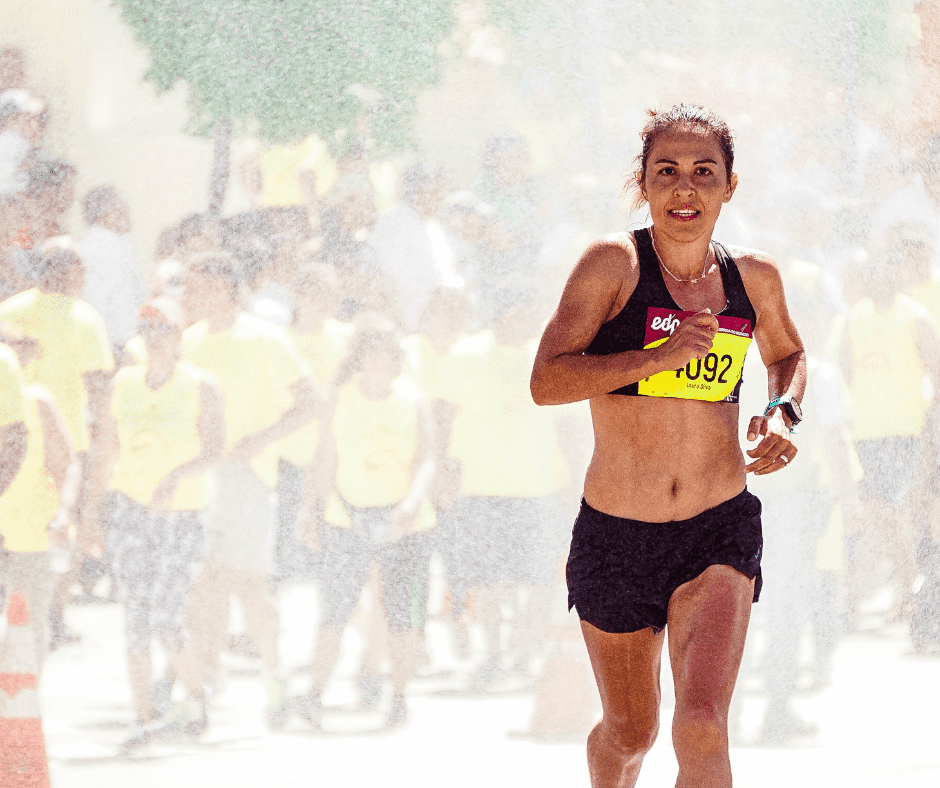
In conclusion, mastering hydration is not just about drinking water; it’s about understanding your body’s needs and proactively fueling it for peak performance. By implementing the strategies Artikeld in this guide on How to Hydrate Properly in the Days Leading Up to a Marathon, you’ll be well-prepared to tackle the marathon with confidence and achieve your running goals. Remember, proper hydration is your secret weapon for a successful race!