Embarking on a marathon training journey is a testament to human endurance, but safely increasing your mileage is the cornerstone of success. This guide unlocks the secrets to not only completing a marathon but doing so while minimizing the risk of injury and maximizing your performance potential. We’ll navigate the essential principles, from understanding your body’s signals to crafting a strategic training plan tailored to your individual needs.
This detailed walkthrough will cover everything you need to know, from the general rule of thumb for weekly mileage increases to advanced tapering strategies. We will delve into factors influencing your mileage, how to plan your training schedule effectively, long run strategies, cross-training and injury prevention, nutrition, hydration, monitoring and adjusting your training, and race week tapering. This comprehensive approach ensures you’re well-prepared to conquer the 26.2 miles.
Understanding the Principles of Mileage Progression
Increasing your mileage safely is crucial for marathon training. It allows your body to adapt to the demands of longer distances, improving endurance and reducing the risk of injury. A well-structured approach, combined with listening to your body, is key to success.
The General Rule of Thumb for Weekly Mileage Increases
The most widely accepted guideline for increasing weekly mileage is the “10% rule.” This rule suggests that you should increase your weekly mileage by no more than 10% compared to the previous week. This principle helps prevent overtraining and allows your body to adapt gradually. Adhering to this rule helps minimize the risk of overuse injuries such as stress fractures, runner’s knee, and plantar fasciitis.
Examples of Safe Weekly Mileage Increases
The following table provides examples of safe weekly mileage increases for runners of different experience levels. These are general guidelines, and individual needs may vary. Remember to adjust based on how your body feels and your training goals.
| Runner Level | Current Weekly Mileage | Safe Weekly Increase |
|---|---|---|
| Beginner | 10 miles | 1 mile (10% increase) |
| Beginner | 15 miles | 1.5 miles (10% increase) |
| Intermediate | 30 miles | 3 miles (10% increase) |
| Intermediate | 40 miles | 4 miles (10% increase) |
| Advanced | 50 miles | 5 miles (10% increase) |
| Advanced | 60 miles | 6 miles (10% increase) |
The Importance of Listening to Your Body and Recognizing Early Warning Signs of Overtraining
Paying close attention to your body’s signals is essential during marathon training. Ignoring these signals can lead to overtraining, which increases the risk of injury and can hinder your progress.
- Fatigue: Feeling unusually tired, even after adequate rest.
- Persistent Muscle Soreness: Experiencing soreness that doesn’t subside after a day or two.
- Increased Resting Heart Rate: A noticeable elevation in your resting heart rate.
- Sleep Disturbances: Difficulty falling asleep or staying asleep.
- Irritability: Feeling more easily agitated or stressed.
- Decreased Performance: A decline in your running speed or endurance.
- Changes in Appetite: Loss of appetite or increased cravings.
- Increased Susceptibility to Illness: Catching colds or other illnesses more frequently.
If you experience any of these symptoms, it’s important to adjust your training plan. This may involve reducing your mileage, incorporating more rest days, or seeking advice from a coach or medical professional. Remember, recovery is just as important as training.
Factors Influencing Mileage Increase
Understanding how various factors affect your ability to safely increase mileage is crucial for marathon training success. Ignoring these elements can lead to injury and derail your progress. This section delves into the key influences on your mileage progression, providing insights to help you tailor your training plan effectively.
Training History’s Impact on Mileage Increase
Your past running experience significantly shapes how quickly you can ramp up your mileage. Runners with a solid base of consistent training can handle greater increases compared to beginners.
- Experienced Runners: Runners with a history of regular running (e.g., several years) and high weekly mileage are generally able to increase mileage more aggressively. They possess well-developed cardiovascular systems, stronger muscles, and more resilient connective tissues.
- Intermediate Runners: Those with some running experience, but perhaps less consistency or lower mileage, should be more cautious. A more conservative approach to mileage increases is essential to avoid overtraining.
- Beginner Runners: Individuals new to running need to prioritize building a solid base. Rapid increases in mileage are extremely risky and can lead to injuries. A gradual approach is paramount. For example, a beginner might start with 10-15 miles per week and increase by no more than 10% each week.
Role of Age, Genetics, and Running Experience
Age, genetics, and running experience intertwine to determine your safe mileage progression. Each element plays a unique role in your body’s ability to adapt to the demands of training.
- Age: Younger runners often recover more quickly than older runners. Their bodies are generally more adaptable. However, age is not the sole determinant; other factors play a role.
- Genetics: Genetic predispositions influence muscle fiber type, cardiovascular efficiency, and injury susceptibility. Some individuals are naturally more gifted runners, capable of handling higher mileage.
- Running Experience: The more miles you’ve run consistently, the better your body adapts to training stress. Years of running build resilience and improve your body’s ability to handle increasing mileage.
Environmental Conditions and Mileage Adjustment
Environmental conditions significantly affect your body’s ability to recover and adapt. Adjusting your mileage based on these conditions is critical for injury prevention and performance optimization.
- Heat and Humidity: Running in hot and humid conditions places extra stress on the cardiovascular system. Your heart rate increases, and you sweat more, leading to greater fluid loss. It’s often necessary to reduce mileage or slow your pace in these conditions.
- Altitude: Training at altitude reduces the availability of oxygen. This can make runs feel more challenging. You might need to reduce your mileage and/or slow your pace significantly when training at higher altitudes. The body adapts to altitude over time, but initial adjustments are crucial.
- Cold Weather: While cold weather itself might not necessitate a mileage reduction, it can impact running efficiency and increase the risk of injury if not properly addressed. Warming up thoroughly is essential. Additionally, consider clothing and gear to stay warm and dry, which can impact overall energy expenditure and perceived effort.
Planning Your Training Schedule
Creating a structured training schedule is crucial for safely increasing your mileage and successfully preparing for a marathon. A well-designed plan incorporates gradual progression, adequate rest, and recovery, minimizing the risk of injury and maximizing your performance. This section provides guidance on designing a 16-week marathon training schedule, incorporating rest and recovery, and tracking your progress.
Sample 16-Week Marathon Training Schedule
A 16-week training schedule allows for ample time to build mileage safely and effectively. The following is a sample schedule, but remember to adjust it based on your current fitness level and experience. It assumes you can comfortably run a few miles already.
- Weeks 1-4: Base Building
This phase focuses on establishing a solid running base and gradually increasing your overall mileage. The long run distance should increase gradually each week.
- Week 1: 20 miles total; Long run: 4 miles
- Week 2: 22 miles total; Long run: 5 miles
- Week 3: 25 miles total; Long run: 6 miles
- Week 4: 27 miles total; Long run: 7 miles
- Weeks 5-8: Mileage Increase
Continue to increase your weekly mileage and the length of your long runs. Introduce some tempo runs or interval training to improve your speed and endurance.
- Week 5: 30 miles total; Long run: 8 miles
- Week 6: 33 miles total; Long run: 9 miles
- Week 7: 36 miles total; Long run: 10 miles
- Week 8: 38 miles total; Long run: 11 miles
- Weeks 9-12: Peak Mileage
This phase involves reaching your peak mileage. Maintain a consistent long run distance and incorporate more challenging workouts.
- Week 9: 40 miles total; Long run: 12 miles
- Week 10: 42 miles total; Long run: 14 miles
- Week 11: 40 miles total; Long run: 16 miles
- Week 12: 35 miles total; Long run: 10 miles (Taper week – reduce mileage to allow your body to recover and prepare for the race)
- Weeks 13-16: Tapering and Race Week
Reduce your mileage significantly during the taper to allow your body to fully recover and store energy for race day. This phase also includes the marathon itself.
- Week 13: 25 miles total; Long run: 8 miles
- Week 14: 18 miles total; Long run: 6 miles
- Week 15: 10 miles total; Long run: 3 miles
- Week 16: Race Week – Focus on rest and light activity. Race Day!
Strategies for Incorporating Rest and Recovery
Rest and recovery are just as important as the running itself. They allow your body to repair and rebuild muscle tissue, reducing the risk of injury and improving performance.
- Rest Days: Include at least one full rest day per week. This day should involve no running and minimal physical activity.
- Easy Runs: Most of your runs should be at an easy conversational pace. This allows your body to recover from harder workouts.
- Cross-Training: Incorporate cross-training activities such as swimming, cycling, or yoga on your rest days or easy run days to maintain fitness without stressing your running muscles.
- Sleep: Aim for 7-9 hours of sleep per night. Sleep is crucial for muscle recovery and overall health.
- Nutrition: Eat a balanced diet with sufficient carbohydrates, protein, and healthy fats to fuel your runs and support recovery.
- Listen to Your Body: Pay attention to any signs of fatigue or pain. Don’t hesitate to take extra rest days or modify your training plan if needed.
Template for Tracking Weekly Mileage and Performance Metrics
Tracking your mileage and performance is essential for monitoring your progress, identifying potential issues, and making necessary adjustments to your training plan. Use a template to record your runs and other relevant information.
Sample Weekly Training Log Template:
This table provides a simple framework for recording your runs and performance metrics. Customize it to fit your specific needs.
| Day | Date | Activity | Distance (Miles) | Time | Pace (min/mile) | Notes (How it felt, Weather) |
|---|---|---|---|---|---|---|
| Sunday | Long Run | |||||
| Monday | Rest/Cross-Training | |||||
| Tuesday | Run | |||||
| Wednesday | Run/Tempo | |||||
| Thursday | Run | |||||
| Friday | Rest/Cross-Training | |||||
| Saturday | Run | |||||
| Weekly Totals: |
Additional Metrics to Track:
- Weight: Monitor your weight regularly to ensure you’re maintaining a healthy body composition.
- Heart Rate: Track your resting heart rate and heart rate during runs to gauge your fitness level and identify potential overtraining.
- Sleep Quality: Note how many hours you sleep each night and the quality of your sleep.
- Energy Levels: Rate your energy levels each day to identify patterns and potential issues.
- Any Pain or Injuries: Record any pain or injuries you experience and seek medical attention if necessary.
Long Run Strategies and Mileage

The long run is a cornerstone of marathon training, building endurance and preparing your body for the demands of 26.2 miles. Successfully incorporating long runs into your training plan requires a strategic approach to avoid injury and maximize performance gains. This section details how to progressively increase your long run distance, manage fatigue, and tailor your long runs to your overall weekly mileage.
Safely Increasing Long Run Distance
Gradually increasing the distance of your long runs is crucial for preventing injury and adapting to the physiological demands of marathon running. Adhering to a consistent progression strategy allows your body to adapt to the increasing stress.
- The 10% Rule: This is a commonly cited guideline. Increase your long run distance by no more than 10% each week. For example, if your long run is 10 miles this week, next week’s long run should be no more than 11 miles.
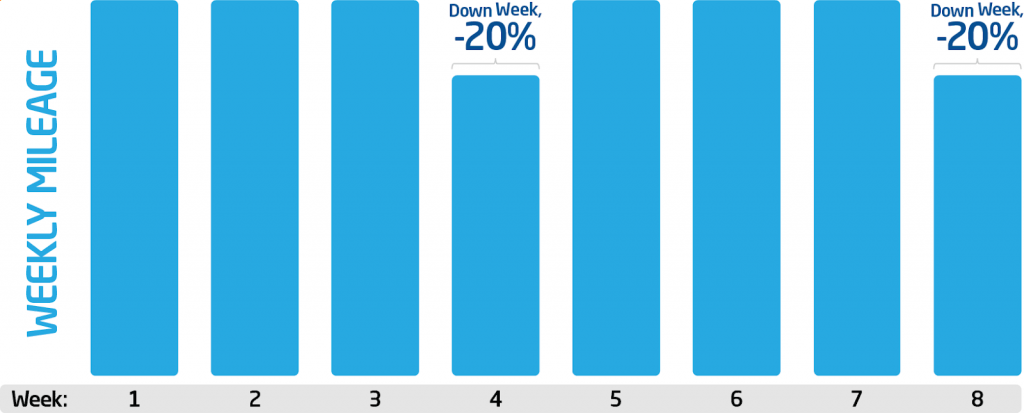
- Consider Recovery Weeks: Every 3-4 weeks, incorporate a recovery week. This might involve reducing your long run distance, reducing your total weekly mileage, or incorporating more rest days. This allows your body to fully recover and rebuild.
- Listen to Your Body: Pay close attention to how your body feels. If you experience any pain, particularly in your joints or muscles, don’t push through it. Back off on the distance or take a rest day. It’s better to err on the side of caution and avoid injury.
- Consistency is Key: Prioritize consistent long runs over pushing for a faster pace or a slightly longer distance. Building a solid base of endurance is more important than trying to cram in extra miles too quickly.
Managing Fatigue During Long Runs
Long runs can be physically and mentally challenging. Implementing strategies to manage fatigue will enhance your performance and make the experience more enjoyable.
- Proper Nutrition and Hydration: Fueling and hydrating correctly are essential. Consume carbohydrates before, during (if necessary, especially for runs longer than 90 minutes), and after your long runs. Drink water or a sports drink regularly.
- Pacing Strategy: Run at a conversational pace. You should be able to hold a conversation while running. Avoid starting too fast, which can lead to early fatigue.
- Mental Strategies: Break the run into smaller, manageable segments. Focus on reaching the next mile marker or landmark. Listen to music or a podcast to distract yourself.
- Gear and Clothing: Wear comfortable running shoes and clothing appropriate for the weather conditions. Consider using a hydration pack or carrying water bottles.
- Practice Run Nutrition and Hydration: Practice your nutrition and hydration plan during your long runs. This helps you determine what works best for your body and prevents surprises on race day.
Adjusting Long Run Distances Based on Weekly Mileage
The length of your long run should be proportionate to your overall weekly mileage. This ensures you’re not overtraining and that your body has adequate time to recover.
- Long Run Percentage: As a general guideline, your long run should constitute approximately 20-30% of your total weekly mileage. This percentage can vary based on your experience level and training goals.
- Example:
- If your weekly mileage is 40 miles, your long run should be approximately 8-12 miles.
- If your weekly mileage is 60 miles, your long run should be approximately 12-18 miles.
- Progression Example:
- Week 1: Total Weekly Mileage: 30 miles, Long Run: 6 miles
- Week 2: Total Weekly Mileage: 33 miles (10% increase), Long Run: 6.6 miles (approximately 20% of total mileage)
- Week 3: Total Weekly Mileage: 36 miles (10% increase), Long Run: 7.2 miles (approximately 20% of total mileage)
- Week 4: Recovery Week: Total Weekly Mileage: 25 miles, Long Run: 5 miles
- Consider Your Experience: Novice runners may start with a long run representing a smaller percentage of their weekly mileage, gradually increasing the percentage as they adapt. Experienced runners may handle a long run representing a larger percentage.
Cross-Training and Injury Prevention

As you increase your marathon mileage, it’s crucial to integrate cross-training and strength training into your regimen. These practices play a vital role in supporting your running goals while mitigating the risk of injuries. Cross-training helps maintain overall fitness without the high impact of running, while strength training builds the necessary resilience to withstand the demands of marathon training.
The Role of Cross-Training in Supporting Increased Mileage
Cross-training provides a fantastic way to maintain cardiovascular fitness and improve muscular endurance without adding more stress to your legs. It allows you to recover actively from running sessions, promoting blood flow and reducing muscle soreness. By engaging different muscle groups, cross-training helps to prevent overuse injuries, which are common in runners who solely focus on running. Incorporating cross-training allows for a more balanced training approach, supporting a steady increase in mileage.
Examples of Cross-Training Activities that Complement Running
Cross-training activities should be chosen to complement running, focusing on low-impact exercises that work different muscle groups. Here’s a table outlining several options, their benefits, suggested durations, and frequencies.
| Cross-Training Activity | Benefits | Duration | Frequency |
|---|---|---|---|
| Swimming | Excellent cardiovascular workout, full-body engagement, low impact. | 30-60 minutes | 2-3 times per week |
| Cycling | Builds leg strength and endurance, improves cardiovascular fitness, low impact. | 45-90 minutes | 1-2 times per week |
| Elliptical Training | Cardiovascular workout, engages multiple muscle groups, low impact. | 30-60 minutes | 2-3 times per week |
| Aqua Jogging | Mimics running motion in water, reduces impact, improves cardiovascular fitness. | 30-45 minutes | 1-2 times per week |
The Importance of Strength Training for Preventing Injuries Related to Increased Mileage
Strength training is indispensable for runners, especially when increasing mileage. It strengthens the muscles, tendons, and ligaments, making them more resilient to the stresses of running. This increased strength helps to stabilize joints, improve running form, and reduce the risk of overuse injuries such as stress fractures, plantar fasciitis, and runner’s knee.
- Focus on exercises that target the major muscle groups used in running, including the quads, hamstrings, glutes, and core.
- Incorporate exercises such as squats, lunges, deadlifts, planks, and calf raises.
- Start with lighter weights and higher repetitions, gradually increasing the weight as you get stronger.
- Aim for 2-3 strength training sessions per week, allowing adequate rest between sessions.
By consistently incorporating cross-training and strength training, runners can safely increase their mileage, improve their performance, and minimize the risk of injuries. This holistic approach to training ensures a well-rounded fitness level, preparing the body for the demands of marathon training and beyond.
Nutrition and Hydration for Mileage Progression
Fueling your body correctly is absolutely crucial when you’re increasing your running mileage. As your training volume goes up, so do your energy demands. Neglecting nutrition and hydration can lead to fatigue, poor performance, and a significantly increased risk of injury. This section will break down the essential aspects of fueling your body to support your marathon training goals.
Importance of Proper Nutrition to Support Increased Mileage
Adequate nutrition provides the energy and building blocks your body needs to adapt to the stresses of running, particularly as you increase mileage. It’s not just about eating
- enough*; it’s about eating the
- right* things at the
- right* times. Without proper nutrition, your body won’t be able to recover efficiently, which hinders your progress and makes you more susceptible to injury.
- Energy Availability: The primary role of nutrition is to provide sufficient energy to meet the demands of your training. This energy comes primarily from carbohydrates, fats, and, to a lesser extent, protein. Insufficient energy intake leads to a state of low energy availability, which can impair performance, disrupt hormonal function, and increase injury risk.
- Muscle Repair and Growth: Protein is essential for repairing and rebuilding muscle tissue damaged during runs. As you increase mileage, the amount of muscle damage increases, and your protein needs go up. Adequate protein intake is critical for recovery and adaptation.
- Glycogen Replenishment: Glycogen is the stored form of glucose in your muscles and liver. It’s your primary fuel source during longer runs. After each run, especially long ones, replenishing glycogen stores is crucial for recovery and preparing for your next workout.
- Micronutrient Support: Vitamins and minerals play vital roles in various bodily functions, including energy production, muscle contraction, and immune function. Deficiencies in these micronutrients can negatively impact performance and increase your risk of illness or injury.
- Hormonal Balance: Nutrition influences hormone levels, including those related to stress (cortisol) and muscle building (testosterone). Proper nutrition helps maintain a healthy hormonal balance, which is crucial for recovery and adaptation to training.
Role of Hydration in Injury Prevention
Hydration is an often-overlooked but incredibly important aspect of injury prevention. Dehydration can significantly impair performance, increase your body temperature, and elevate your risk of muscle cramps, sprains, and other injuries.
- Maintaining Blood Volume: Blood volume decreases with dehydration, which reduces blood flow to your muscles. This can lead to fatigue and cramping. Adequate hydration helps maintain optimal blood volume, ensuring efficient oxygen delivery to working muscles.
- Thermoregulation: Sweating is your body’s primary mechanism for cooling itself during exercise. Dehydration impairs your body’s ability to sweat effectively, leading to overheating and an increased risk of heatstroke.
- Joint Lubrication: Water is a major component of synovial fluid, which lubricates your joints. Dehydration can reduce synovial fluid, increasing friction and the risk of joint injuries.
- Electrolyte Balance: Sweat contains electrolytes, such as sodium, potassium, and magnesium. Losing these electrolytes can disrupt muscle function and increase the risk of cramping. Proper hydration includes replacing these lost electrolytes.
Pre-Run and Post-Run Nutrition Strategies
The timing and composition of your meals and snacks significantly impact your performance and recovery. Planning your nutrition around your runs can make a big difference in your training.
Pre-Run Nutrition
The goal of pre-run nutrition is to top off your glycogen stores, provide readily available energy, and prevent gastrointestinal distress.
- Timing:
- For runs lasting less than an hour, a small snack 30-60 minutes before the run may be sufficient.
- For longer runs, eat a more substantial meal 2-3 hours before your run.
- Composition:
- Carbohydrates: Focus on easily digestible carbohydrates like oatmeal, toast with jam, a banana, or a sports drink. Avoid high-fiber foods close to your run, as they can cause digestive issues.
- Protein: Include a small amount of protein to support muscle function.
- Fats: Limit fats before a run, as they digest slowly.
- Examples:
- Short Run (under 60 minutes): Banana and a small serving of sports drink.
- Long Run (2+ hours): Oatmeal with berries and a small amount of nuts, or toast with peanut butter and a banana.
Post-Run Nutrition
Post-run nutrition focuses on replenishing glycogen stores, repairing muscle damage, and rehydrating.
- Timing: Aim to eat within 30-60 minutes after your run. This is when your body is most receptive to nutrient absorption.
- Composition:
- Carbohydrates: Prioritize carbohydrates to replenish glycogen stores.
- Protein: Consume protein to repair muscle tissue. Aim for approximately 20-30 grams of protein.
- Fluids: Rehydrate by drinking water or an electrolyte-containing beverage.
- Examples:
- Post-Run Meal: A protein shake with fruit and a carbohydrate source (like a bagel), or a meal that includes grilled chicken or fish, rice, and vegetables.
- Recovery Snack: Greek yogurt with fruit and a handful of nuts, or a smoothie with protein powder, fruit, and spinach.
- Hydration: Drink enough fluids to replace what you lost during your run. A general guideline is to drink 16-24 ounces of fluid for every pound of weight lost during your run.
Monitoring and Adjusting Your Training

Successfully increasing your marathon mileage isn’t just about following a plan; it’s about listening to your body and adapting accordingly. This requires consistent monitoring and a willingness to adjust your training based on the feedback you receive. By tracking key metrics, you can identify potential problems early on and prevent injuries or overtraining, ensuring you reach the starting line feeling strong and prepared.
Key Metrics to Monitor
Tracking various metrics provides valuable insights into your body’s response to training. These metrics, when analyzed together, paint a comprehensive picture of your overall well-being and readiness to increase mileage.
- Heart Rate: Monitoring your heart rate during runs and at rest offers crucial data. A higher-than-normal resting heart rate can indicate fatigue or illness. During runs, your heart rate zones provide insight into your effort levels and the effectiveness of your training. Using a heart rate monitor allows you to assess your exertion levels objectively.
- Sleep Quality: The quality and duration of your sleep are critical for recovery. Use a sleep tracker or app to monitor your sleep patterns. Note how long you sleep, the number of times you wake up, and the quality of your sleep. Poor sleep can significantly impact your performance and increase the risk of injury.
- Perceived Exertion (RPE): This is a subjective measure of how hard you feel you are working. Use the Borg Scale of Perceived Exertion, ranging from 6 (no exertion at all) to 20 (maximal exertion). Pay attention to how your RPE correlates with your heart rate and pace.
- Weight: Tracking your weight can help you monitor your hydration and nutrition status. Significant weight fluctuations, especially in a short period, can signal dehydration or inadequate fuel intake.
- Muscle Soreness: Delayed Onset Muscle Soreness (DOMS) is common after intense workouts. Monitor the intensity and duration of your soreness. Excessive or prolonged soreness might indicate that you are pushing too hard.
- Running Pace and Distance: Keep a detailed record of your runs, including pace, distance, and the terrain. This helps you track your progress and identify trends in your performance.
Adjusting Your Training Plan
Knowing how to adjust your training plan is crucial to a successful marathon build-up. This involves making informed decisions based on the data you collect and the feedback your body provides. The goal is to find a balance between pushing yourself and allowing for adequate recovery.
- Reduced Mileage: If you experience consistent high resting heart rates, poor sleep quality, or excessive soreness, consider reducing your weekly mileage. This allows your body to recover and adapt. For example, if you’re scheduled to run 40 miles this week and consistently experience elevated resting heart rates, consider dropping to 30-35 miles.
- Rest Days: Incorporate additional rest days into your schedule. Rest days are not just about complete inactivity; they are opportunities for your body to repair and rebuild. Schedule an extra rest day if you are feeling fatigued or experiencing symptoms of overtraining.
- Cross-Training: If you need to reduce your running mileage, cross-training activities like swimming, cycling, or elliptical training can help maintain your fitness without the high impact of running. This can be used when dealing with minor injuries or fatigue.
- Adjusting Workout Intensity: If you’re consistently struggling to complete speed work or tempo runs at the prescribed paces, consider reducing the intensity. Instead of hitting a specific pace, focus on effort levels. For example, if your tempo run is designed for 7:00 minutes per mile, and you are struggling, adjust the pace to a comfortable but challenging effort, like 7:30 minutes per mile.
- Nutrition and Hydration: Ensure you are adequately fueling your body with the right nutrients and staying well-hydrated. Dehydration and inadequate nutrition can lead to fatigue and impact your recovery.
Common Issues and Suggested Solutions
Here are some common problems marathon runners face and how to address them.
- Issue: Elevated resting heart rate for more than a few days.
- Solution: Reduce mileage by 10-20% for a week, prioritize sleep and nutrition, and consider an extra rest day.
- Issue: Persistent muscle soreness lasting more than 48 hours.
- Solution: Incorporate active recovery (light walking, cycling), reduce the intensity of upcoming workouts, and ensure proper stretching and foam rolling.
- Issue: Difficulty maintaining prescribed paces during speed workouts.
- Solution: Reduce the intensity of speed work, focus on effort rather than pace, and review your overall training plan to ensure it aligns with your current fitness level.
- Issue: Poor sleep quality for multiple nights.
- Solution: Improve sleep hygiene (consistent sleep schedule, dark and quiet room), reduce caffeine intake, and consider a light recovery workout or extra rest day.
- Issue: Recurring minor injuries (e.g., shin splints, knee pain).
- Solution: Reduce mileage and impact, incorporate cross-training, focus on strengthening exercises, and seek professional advice from a physical therapist or running coach.
Race Week and Tapering Strategies
The final weeks leading up to a marathon are crucial for maximizing performance on race day. Tapering, the strategic reduction of training volume and intensity, allows your body to recover and rebuild, ensuring you arrive at the starting line feeling fresh and ready to run your best. This section focuses on how to effectively taper, maintain fitness, and create a race week plan to optimize your marathon experience.
Reducing Mileage in the Weeks Leading Up to the Marathon (Tapering)
Tapering is the process of systematically decreasing your training load in the days and weeks before a marathon. This involves reducing both the distance you run (mileage) and the intensity of your workouts. The primary goal is to reduce fatigue and allow your body to fully recover from the accumulated stress of training, leading to improved performance on race day.
The specific approach to tapering can vary depending on your training history, experience, and individual response to training.
- Mileage Reduction: The most significant component of tapering is reducing your weekly mileage. A common approach is to reduce mileage by approximately 40-60% in the final two weeks before the marathon. For example, if your peak week mileage was 50 miles, you might aim for 30-20 miles in the two weeks leading up to the race.
- Intensity Adjustment: While reducing mileage, you also need to consider the intensity of your workouts. Gradually reduce the number of high-intensity sessions (e.g., speed work, tempo runs) and replace them with easier, conversational-pace runs. The focus should be on maintaining fitness rather than building it.
- Long Run Modification: The long run is a key component of marathon training, but it needs to be adjusted during the taper. Reduce the distance of your final long run significantly. A common strategy is to run your last long run two to three weeks before the marathon, at a distance of around 12-16 miles.
- Rest and Recovery: Incorporate more rest days and focus on recovery activities like easy cross-training, stretching, and adequate sleep. Prioritize getting enough sleep to allow your body to repair and rebuild.
Strategies for Maintaining Fitness During the Taper
While reducing your training load, it is important to maintain your fitness level. The goal is to arrive at the starting line feeling fresh, not deconditioned. Several strategies can help maintain your fitness during the taper period.
- Maintain Some Intensity: Don’t completely eliminate all high-intensity workouts. Incorporate short, sharp bursts of speed to keep your legs feeling responsive. For example, include a few strides (short bursts of fast running) after some of your easy runs.
- Easy Running: The majority of your running should be at an easy, conversational pace. This helps maintain your aerobic base without adding excessive fatigue.
- Cross-Training: Continue with cross-training activities, such as swimming, cycling, or elliptical training, to maintain cardiovascular fitness without the impact of running. Keep the duration and intensity of these sessions moderate.
- Nutrition and Hydration: Pay close attention to your nutrition and hydration. Consume a balanced diet with plenty of carbohydrates to fuel your muscles. Stay well-hydrated to support recovery and prevent dehydration.
- Mental Preparation: Use this time to mentally prepare for the race. Visualize your race strategy, review the course map, and focus on positive thoughts.
Sample Taper Plan for the Final Two Weeks Before the Marathon
This is a sample taper plan, and you should adjust it based on your individual needs and training history. Consult with a coach or experienced runner to personalize your plan.
Two Weeks Before Race Day
- Monday: Easy run (30-45 minutes)
- Tuesday: Speed work (e.g., 6 x 400m at goal pace with recovery jogs)
- Wednesday: Cross-training (30-45 minutes) or rest
- Thursday: Easy run (30-45 minutes)
- Friday: Rest
- Saturday: Long run (12-16 miles at an easy pace)
- Sunday: Rest or very easy run (20-30 minutes)
One Week Before Race Day
- Monday: Easy run (20-30 minutes)
- Tuesday: Short speed work (e.g., 4 x 200m at goal pace with recovery jogs)
- Wednesday: Cross-training (30 minutes) or rest
- Thursday: Easy run (20 minutes)
- Friday: Rest
- Saturday: Very easy run (10-15 minutes) or complete rest
- Sunday (Race Day): Marathon
This plan provides a framework. Adjust the distances and workouts based on your body’s response and how you feel. The key is to arrive at the starting line feeling fresh and confident.
Ultimate Conclusion
In summary, safely increasing your mileage for marathon training requires a holistic approach. By understanding the principles of progression, considering individual factors, planning meticulously, prioritizing recovery, and listening to your body, you can not only reach the finish line but also enjoy the journey. Embrace the challenges, celebrate the milestones, and remember that consistency and smart training are the keys to a successful marathon experience.
Go forth and run!