Embarking on a marathon is a monumental feat, and achieving your personal best hinges on one crucial element: your pace. This guide will take you on a journey to understand, calculate, and ultimately, master your ideal marathon pace. We’ll uncover the secrets behind efficient running, transforming your race day from a test of survival into a celebration of your hard work and dedication.
From understanding the fundamentals of pace, distance, and time to crafting a race-day strategy, this comprehensive guide provides the knowledge and tools you need. You’ll learn how to assess your current fitness, calculate your target pace, and build a training plan that will prepare you for success. We’ll explore the science behind fueling and hydration, mental strategies, and how to recover effectively, ensuring you cross that finish line feeling strong and accomplished.
Understanding Marathon Pace
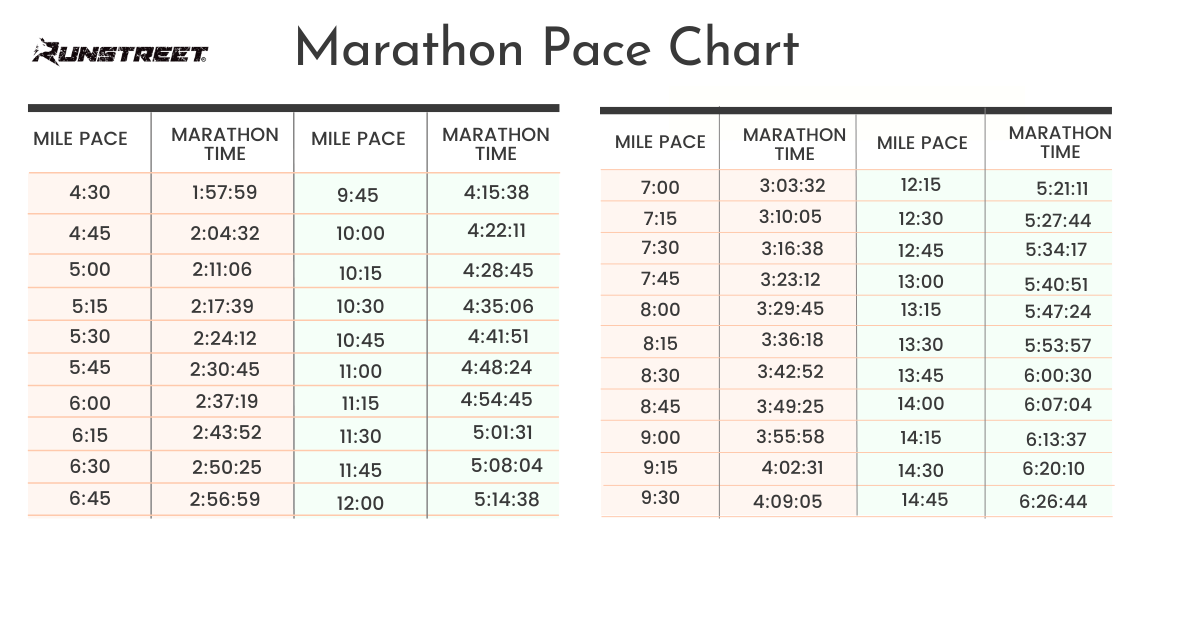
Knowing and maintaining your ideal marathon pace is crucial for a successful race. It’s the cornerstone of efficient energy expenditure and achieving your desired finish time. This section will break down the fundamentals of marathon pace, ensuring you understand its significance and how it relates to your overall performance.
Significance of Pace in Marathon Running
Pace is the speed at which you run, typically measured in minutes per mile or kilometer. It dictates how quickly you cover the marathon’s 26.2 miles (42.195 kilometers). Your chosen pace significantly impacts your race performance, influencing your energy levels throughout the race and ultimately determining your finishing time. Running too fast early on (negative splits) can lead to premature fatigue and a ‘bonk’ (hitting the wall), while running too slow can prevent you from achieving your potential.
A well-planned pace strategy allows you to distribute your energy effectively, maximizing your chances of reaching the finish line feeling strong.
Relationship Between Pace, Distance, and Time
The relationship between pace, distance, and time is fundamental to understanding marathon running. These three elements are interconnected, and changing one directly affects the others.The following formula illustrates this relationship:
Time = Distance / Pace
This formula is the foundation for calculating your expected marathon time based on your target pace. For example, if your goal is to run a marathon at a pace of 8 minutes per mile, you can calculate your expected finishing time.To illustrate, here’s how it works:* Distance: 26.2 miles
Pace
8 minutes per mileCalculation:
1. Multiply the pace by the distance
8 minutes/mile26.2 miles = 209.6 minutes
2. Convert minutes to hours and minutes
209.6 minutes = 3 hours and 29.6 minutes (approximately 3:30:00).Therefore, at an 8-minute-per-mile pace, you would expect to finish the marathon in approximately 3 hours and 30 minutes. Conversely, if you know your desired finish time and the distance, you can calculate your required pace.
Common Units for Measuring Running Pace
Running pace is typically expressed in two main units: minutes per mile (min/mile) and minutes per kilometer (min/km). These units allow runners to easily track and compare their speed.Here’s a breakdown:
- Minutes per Mile (min/mile): This is the most common unit used in the United States and the United Kingdom. It indicates how many minutes and seconds it takes to run one mile. For example, a pace of 7:30 (7 minutes and 30 seconds) per mile means you run one mile in seven and a half minutes.
- Minutes per Kilometer (min/km): This unit is widely used internationally, particularly in countries that use the metric system. It represents how many minutes and seconds it takes to run one kilometer. For example, a pace of 4:45 (4 minutes and 45 seconds) per kilometer means you run one kilometer in four minutes and forty-five seconds.
Converting between these units is important for understanding your pace across different training environments or races. To convert from min/mile to min/km, you can multiply your min/mile pace by 0.6214 (the number of miles in a kilometer). Conversely, to convert from min/km to min/mile, multiply your min/km pace by 1.60934 (the number of kilometers in a mile).For example:* A 7:00 min/mile pace is approximately equivalent to a 4:21 min/km pace (7:00
0.6214 = 4
21).
A 4
30 min/km pace is approximately equivalent to a 7:15 min/mile pace (4:30
1.60934 = 7
15).
Determining Your Ideal Marathon Pace
To run a marathon successfully, you need to determine your ideal pace. This involves assessing your current fitness level and understanding how your body responds to different training and racing scenarios. This section will explore various methods to estimate your marathon pace accurately.
Methods for Estimating Marathon Pace
Several methods can help you estimate your marathon pace. These methods consider your race history and training runs.
- Race Time Predictors: These tools use your performance in shorter races, such as 5k, 10k, or half marathons, to predict your marathon finish time. They are based on mathematical models that consider the relationship between distance and performance.
- Training Runs: Analyzing your performance during training runs, particularly long runs, provides valuable insights. If you consistently run long runs at a certain pace and feel comfortable, this pace can be a good indicator of your potential marathon pace.
- Using a Recent Race: Your most recent race, particularly a half marathon, offers a reliable data point for predicting marathon pace. The time you achieved in this race provides a good foundation for your marathon estimate.
The Role of a Recent Half-Marathon Time
A recent half-marathon time is a valuable data point when calculating your marathon pace. It represents a significant distance that allows you to gauge your endurance and speed.
The general rule of thumb is that a marathon is roughly twice the distance of a half-marathon, plus a little extra.
The pace you maintain in a half-marathon provides a good baseline for estimating your marathon pace. However, you should account for the increased distance and potential fatigue. Typically, your marathon pace will be slightly slower than your half-marathon pace.
Calculating Target Marathon Pace
This table shows how to calculate your target marathon pace based on different race distances and personal bests. These are estimates, and individual results may vary.
| Distance | Best Time | Pace (per mile/km) | Predicted Marathon Pace |
|---|---|---|---|
| 5K | 20:00 | 6:26 min/mile or 3:57 min/km | 3:10:00 (7:15 min/mile or 4:29 min/km) |
| 10K | 42:00 | 6:45 min/mile or 4:12 min/km | 3:15:00 (7:26 min/mile or 4:35 min/km) |
| Half Marathon | 1:30:00 | 6:51 min/mile or 4:17 min/km | 3:15:00 (7:26 min/mile or 4:35 min/km) |
| Half Marathon | 1:45:00 | 8:00 min/mile or 4:59 min/km | 3:45:00 (8:34 min/mile or 5:18 min/km) |
Calculating Your Marathon Pace
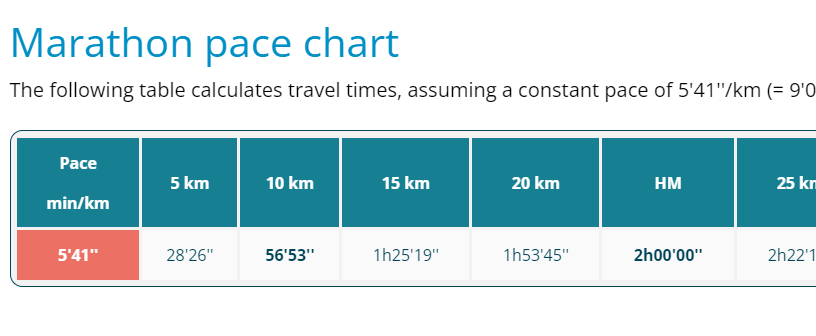
To effectively train and run a marathon, knowing your target pace is crucial. This section provides a step-by-step guide to calculating your ideal marathon pace, leveraging race results and online tools. We’ll also examine factors that can affect pace accuracy.
Step-by-Step Guide to Calculating Marathon Pace Based on a Recent Race Result
Knowing your pace allows you to strategize effectively. This guide helps you calculate your marathon pace using a recent race result.
- Choose a Recent Race: Select a recent race distance that is a good indicator of your current fitness level. A half marathon (13.1 miles) is often the best choice, but a 10K (6.2 miles) or other shorter race can also be used. The closer the race distance is to a marathon, the more accurate the prediction will be.
- Record Your Race Time: Accurately note the total time it took you to complete the race. For example, let’s say you ran a half marathon in 1 hour and 45 minutes.
- Calculate Your Pace Per Mile (or Kilometer):
To calculate your pace, divide your race time by the distance of the race.
- Convert Time to Minutes: Convert your race time to minutes. In our example, 1 hour and 45 minutes is equal to (1 x 60) + 45 = 105 minutes.
- Calculate Pace: Divide the total minutes by the distance in miles. For a half marathon (13.1 miles) run in 105 minutes, the pace is 105 minutes / 13.1 miles = approximately 8:02 per mile (8 minutes and 2 seconds).
- Apply a Pace Conversion Formula or Use a Calculator: There are various formulas and online calculators to predict marathon pace based on shorter race results. A common rule of thumb is to add a certain amount of time per mile to your pace. This accounts for the increased distance and fatigue in a marathon. The McMillan Running Calculator is a popular tool.
Example: If your half marathon pace is 8:02 per mile, and a calculator predicts you can run a marathon at 8:30 per mile, then that is your target pace.
- Consider Your Training: The calculated pace is an estimate. Factor in your current training volume and intensity. If you have been consistently training and increasing your mileage, your predicted marathon pace might be more accurate. If you are undertrained, you may need to adjust your target pace.
- Plan Your Race Strategy: Use your target marathon pace to create a race strategy. This will involve planning your fueling, hydration, and pacing throughout the marathon.
Demonstrating the Use of Online Pace Calculators and Their Advantages
Online pace calculators simplify the process of determining your marathon pace. They offer several advantages.
Online calculators offer convenience and accuracy. They incorporate sophisticated algorithms to predict marathon performance.
- Input Your Data: Typically, you enter your recent race distance and time. Some calculators also allow you to input your training data.
- Get Your Predicted Pace: The calculator instantly provides your estimated marathon pace, often with different pace zones (easy, marathon, tempo).
- Receive Pacing Information: Most calculators provide splits for each mile or kilometer, which is useful for pacing during the race.
- Access to Training Advice: Many calculators offer training advice and resources based on your pace prediction.
-
Popular Calculator Examples:
- McMillan Running Calculator: This calculator is highly regarded and provides detailed pace predictions and training plans.
- Run SMART Project: Offers calculators based on training data and race results.
- Jack Daniels’ VDOT Calculator: Based on the renowned coach’s training methodologies.
Identifying the Factors That Can Influence Pace Calculation Accuracy
Several factors can influence the accuracy of pace calculations. Understanding these influences can help you make more informed decisions about your race strategy.
-
Course Elevation:
Hilly courses can significantly slow your pace compared to flat courses. Pace calculators often don’t account for extreme elevation changes.
Example: A marathon with a 2,000-foot elevation gain might result in a slower finish time compared to a flat marathon, even if your training is similar.
-
Weather Conditions:
Heat, humidity, and strong winds can negatively impact your pace.
Example: Running a marathon in 85°F (29°C) heat can slow your pace by several minutes per mile compared to running in cooler conditions.
-
Race Course Certification:
Certified courses guarantee the distance accuracy. Uncertified courses may have incorrect distances.
-
Training Consistency:
Your training consistency and volume play a significant role. If your training has been inconsistent or your mileage is low, your predicted pace might be overly optimistic.
-
Race Day Nutrition and Hydration:
Proper fueling and hydration are essential for maintaining your pace throughout the marathon. Poor nutrition can lead to a significant slowdown.
-
Experience and Experience of the Race:
Experienced marathon runners tend to have a better understanding of pacing and can maintain their target pace more consistently than first-time marathoners.
Training Runs and Pace: Building a Solid Foundation
To effectively calculate and maintain your ideal marathon pace, a structured training plan is essential. This plan must incorporate various types of runs to build both speed and endurance. The key is to gradually increase your mileage and intensity while allowing your body adequate recovery. Consistency is paramount, and listening to your body is crucial to prevent injuries and optimize performance.
Essential Training Runs and Their Benefits
Incorporating different types of runs is crucial for marathon preparation. Each type of run serves a specific purpose in developing the physiological adaptations necessary for marathon success. This section Artikels the key types of training runs and their respective benefits.
- Easy Runs: These runs are performed at a conversational pace, meaning you should be able to comfortably hold a conversation. They form the foundation of your training, building aerobic base and improving fat-burning efficiency. Easy runs help your body adapt to the stresses of running and recover from harder workouts.
- Long Runs: The cornerstone of marathon training, long runs gradually increase in distance over the weeks leading up to the race. They build endurance, mental toughness, and teach your body to utilize fuel efficiently. These runs also simulate race-day conditions, allowing you to practice your pacing and nutrition strategies. For example, if your goal marathon is 26.2 miles, your longest run might be 20-22 miles a few weeks before the race.
- Tempo Runs: Tempo runs are sustained efforts at a comfortably hard pace, typically lasting between 20-40 minutes. They improve your lactate threshold, the point at which your body begins to accumulate lactic acid faster than it can clear it. This allows you to run faster for longer. A good example of a tempo run is a 30-minute run at a pace you can sustain for an hour in a race.
- Interval Training: Interval training involves alternating between high-intensity bursts of running and periods of recovery. This type of training improves your VO2 max (the maximum amount of oxygen your body can use during exercise) and running economy. Common examples include running 400m or 800m repeats at a fast pace with equal or slightly longer recovery periods.
- Recovery Runs: These are short, easy runs performed the day after a hard workout or long run. They help flush out metabolic waste products, reduce muscle soreness, and promote blood flow to speed up recovery. Recovery runs should be done at a very easy pace.
Using Heart Rate Zones to Monitor and Control Pace
Heart rate zones provide a valuable tool for monitoring and controlling your pace during training. They help you ensure that you are training at the appropriate intensity for the desired physiological adaptations. Using a heart rate monitor, you can stay within the specific zone targeted for each type of run, ensuring you’re working at the correct intensity to achieve the intended benefits.
Here’s a simplified breakdown of common heart rate zones:
- Zone 1 (Very Light): 50-60% of maximum heart rate. Used for warm-ups and cool-downs, promoting recovery.
- Zone 2 (Light): 60-70% of maximum heart rate. The zone for easy runs, building aerobic base and fat burning.
- Zone 3 (Moderate): 70-80% of maximum heart rate. Used for tempo runs and some interval training, improving aerobic capacity.
- Zone 4 (Hard): 80-90% of maximum heart rate. Used for interval training, improving VO2 max and speed.
- Zone 5 (Maximum): 90-100% of maximum heart rate. Short bursts of very high-intensity exercise.
To calculate your maximum heart rate (MHR), you can use the following formula, although it’s an estimate and can vary between individuals:
MHR = 220 – Age (in years)
For example, a 30-year-old runner would have an estimated MHR of 190 beats per minute (bpm). Based on this, the heart rate zones can be calculated. For example, for Zone 2 (60-70% of MHR), the target heart rate would be between 114 and 133 bpm.
Using a heart rate monitor and understanding these zones enables you to tailor your training to specific physiological goals, leading to more effective and efficient marathon preparation.
Maintaining Your Marathon Pace
Maintaining your marathon pace on race day is crucial for achieving your goal time. It’s not just about running a specific pace; it’s about managing your energy, adapting to the course, and staying mentally strong throughout the 26.2 miles. Proper pacing helps you avoid “hitting the wall” and allows you to finish strong.
Pacing Strategies for Race Day
Implementing effective pacing strategies is essential for a successful marathon. This involves a combination of consistent effort, course awareness, and the ability to adjust to changing conditions. Let’s break down the key elements.
- Consistent Effort: The most effective pacing strategy is often a consistent effort throughout the race. This means aiming for a pace that you can sustain comfortably, rather than going out too fast and burning out later. It’s about finding a rhythm and sticking to it. This doesn’t necessarily mean running the
-exact* same split for every mile, but rather maintaining a similar effort level. - Mental Toughness: Mental fortitude is just as important as physical endurance. Having a pacing strategy in place can help you stay focused and avoid the temptation to speed up or slow down based on how you feel at any given moment.
- Fueling and Hydration: Proper fueling and hydration are integral to maintaining your pace. Consuming carbohydrates and fluids at regular intervals prevents bonking and helps sustain your energy levels.
- Monitoring Your Splits: Regularly check your pace using a GPS watch or course markers. This allows you to make necessary adjustments if you’re running too fast or too slow.
Adjusting Pace Based on Course Conditions
Marathon courses vary significantly, and your pacing strategy must adapt to these differences. Factors like hills, wind, and weather conditions can significantly impact your performance. Here’s how to adjust:
- Hills: When approaching an uphill, reduce your pace slightly, but maintain a consistent effort. Avoid sprinting up hills, which can quickly deplete your energy reserves. On the downhill, allow gravity to help you, but don’t let yourself run out of control.
- Wind: Running into a headwind requires a slight reduction in pace to maintain the same effort level. Conversely, a tailwind can allow for a slightly faster pace. Consider running in a group to benefit from drafting, reducing wind resistance.
- Weather: Hot and humid conditions demand a slower pace and increased hydration. Cold weather can also affect performance, so adjust your pace accordingly and consider wearing appropriate clothing.
- Course Layout: Be aware of the course profile before the race. Identify potential trouble spots, such as steep hills or exposed sections. Plan your pacing strategy accordingly.
Pacing Strategies for Different Marathon Course Profiles
The following table illustrates how to adjust your pacing strategy based on different course profiles. Remember that these are general guidelines, and you should adjust them based on your fitness level, experience, and the specific course conditions.
| Course Profile | Strategy | Pace Adjustment | Example Mile Splits (for a 4:00 Marathon Goal – 9:09 min/mile average) |
|---|---|---|---|
| Flat | Consistent, even pacing throughout the race. | Aim for your target pace with minimal variation. | Miles 1-26: 9:05-9:15 |
| Hilly | Conserve energy on uphills; use downhills to recover. | Slightly slower on uphills (e.g., 10-20 seconds slower per mile), faster on downhills (e.g., 10-20 seconds faster per mile). |
|
| Undulating (Rolling Hills) | Maintain a consistent effort, adjusting pace slightly for each hill. | Reduce pace on uphills, allow for natural increase on downhills. Aim to keep average pace close to target. |
|
Nutritional and Hydration Strategies for Pace Maintenance
Maintaining your marathon pace is not just about physical training; it’s also heavily reliant on a well-executed nutritional and hydration strategy. Proper fueling and hydration are crucial for preventing the dreaded “wall” – the sudden and dramatic decline in energy that can derail your race. This section will delve into the essential aspects of nutrition and hydration that will help you sustain your target pace throughout the 26.2 miles.
The Role of Nutrition and Hydration in Pace Maintenance
Your body uses carbohydrates, fats, and, to a lesser extent, proteins for energy. During a marathon, the primary fuel source becomes carbohydrates, stored in your muscles and liver as glycogen. When glycogen stores are depleted, your body shifts to burning fat, which is a slower and less efficient process, leading to a significant drop in pace. Dehydration further exacerbates this issue, as it reduces blood volume, making it harder for your heart to pump blood to working muscles, thus diminishing performance and increasing perceived effort.
Sample Fueling Plan for a Marathon
A well-structured fueling plan is essential for marathon success. This plan should be personalized based on your individual needs, race day conditions, and prior training experiences. It’s crucial to practice this plan during your long training runs to ensure your body tolerates the chosen fuel sources.Here’s a sample fueling plan, keeping in mind that individual needs vary.
- Pre-Race (2-3 days before): Focus on carbohydrate loading. This involves increasing your carbohydrate intake to 70-75% of your total daily calories. Examples of carbohydrate-rich foods include pasta, rice, bread, potatoes, and fruits. This helps maximize glycogen stores in your muscles and liver.
- Pre-Race Meal (2-3 hours before): Consume a meal that is easily digestible and high in carbohydrates, such as oatmeal with banana and a small amount of protein, or a bagel with peanut butter. Avoid high-fat and high-fiber foods, as they can cause digestive distress during the race.
- During the Race: Start fueling early and consistently. Aim to consume approximately 30-60 grams of carbohydrates per hour, depending on your individual tolerance and the race conditions. Options include:
- Energy gels: Typically provide 20-30 grams of carbohydrates per gel. Take them with water.
- Energy chews: Offer a convenient source of carbohydrates, often with added electrolytes.
- Sports drinks: Provide carbohydrates and electrolytes, helping with hydration and energy.
- Real food: Some runners prefer to use real food, like small amounts of dried fruit or pretzels, although this is often less convenient and harder to digest.
- Post-Race: Replenish glycogen stores and initiate muscle recovery. Consume a meal or snack containing carbohydrates and protein within 30-60 minutes after finishing the race.
Carbohydrate Intake Guidelines:
- 30-60 grams of carbohydrates per hour during the race.
- 70-75% of total daily calories from carbohydrates in the days leading up to the race.
Importance of Electrolyte Balance and its Effect on Pace
Electrolytes, such as sodium, potassium, magnesium, and calcium, play a critical role in maintaining fluid balance, nerve function, and muscle contractions. During a marathon, you lose electrolytes through sweat. When electrolytes are depleted, it can lead to muscle cramps, fatigue, and a decrease in performance.To maintain electrolyte balance:
- Hydrate Strategically: Drink fluids containing electrolytes throughout the race. Sports drinks are often a good choice, as they provide both carbohydrates and electrolytes.
- Consider Electrolyte Supplements: In addition to sports drinks, you may consider using electrolyte tablets or capsules, especially in hot and humid conditions or if you are a heavy sweater.
- Monitor Your Sweat Rate: Understanding how much you sweat can help you personalize your hydration strategy. Weigh yourself before and after a long training run to estimate your sweat loss per hour.
- Recognize the Signs of Electrolyte Imbalance: Symptoms can include muscle cramps, nausea, dizziness, and fatigue. Address these symptoms promptly by consuming electrolytes and fluids.
By carefully planning and practicing your nutrition and hydration strategy, you can significantly improve your chances of maintaining your target marathon pace and achieving your race goals.
Monitoring and Adjusting Your Pace During the Race
Successfully navigating a marathon demands not only meticulous training but also the ability to adapt and adjust your pace in real-time during the race. This is where the art of pacing truly comes into play, transforming a well-trained runner into a strategic competitor. The ability to monitor your pace, recognize early signs of fatigue, and make informed adjustments is crucial for reaching the finish line feeling strong and achieving your desired time.
Using GPS Watches and Other Devices to Monitor Pace
Modern technology offers invaluable tools for monitoring your pace during a marathon. GPS watches, heart rate monitors, and other wearable devices provide real-time data that allows you to stay on track and make necessary adjustments.Here’s how to effectively utilize these tools:* Understanding the Data: Your GPS watch will display your current pace (minutes per mile or kilometer), your average pace for the entire race, your distance covered, and often, your heart rate.
Learn to interpret this information quickly and accurately.* Calibrating Your Device: Ensure your GPS watch is properly calibrated before the race. This involves ensuring it’s locked onto GPS satellites and that your personal data (height, weight, etc.) is correctly entered. Incorrect calibration can lead to inaccurate pace readings.* Pace Zones: Most GPS watches allow you to set pace zones based on your target marathon pace.
This feature provides visual and auditory alerts if you stray outside your desired range. For instance, if your target pace is 8:00 minutes per mile, you can set a zone between 7:55 and 8:05 to keep you on track.* Lap Times: Utilize the lap feature to track your pace for each mile or kilometer. This helps identify any fluctuations in your pace and pinpoint areas where you might be slowing down or pushing too hard.
Analyzing lap times also allows you to compare your current performance against your pre-race pacing plan.* Heart Rate Monitoring: Use heart rate data in conjunction with pace. If your heart rate is elevated significantly above your target zone while maintaining your target pace, it may indicate fatigue or an impending pace decline.* Battery Life: Ensure your device is fully charged before the race and that the battery life is sufficient to last the entire marathon.
Consider disabling unnecessary features to conserve battery power.* Data Review Post-Race: After the race, analyze the data from your device to identify patterns in your pacing. This information can be invaluable for refining your pacing strategy for future races. For example, if your pace consistently slowed down between miles 20 and 23, you might need to adjust your nutrition or hydration strategy for those miles.
Recognizing and Responding to Early Signs of Fatigue or Pace Decline
Even with a well-executed pacing plan, fatigue is inevitable in a marathon. Recognizing the early warning signs and responding promptly can prevent a complete collapse and allow you to finish strong.Pay close attention to the following:* Perceived Exertion: Your rate of perceived exertion (RPE) is a valuable indicator of your effort level. If your RPE suddenly increases at a given pace, it signals that your body is working harder.
For example, if you’re running at your target pace (e.g., 8:00 min/mile) and suddenly feel like you’re working much harder, this is a warning sign.* Breathing Rate: A significant increase in your breathing rate at your target pace is a clear sign of fatigue. Your breathing should feel controlled and relatively consistent.* Leg Heaviness: As fatigue sets in, your legs may begin to feel heavy and leaden.
This feeling can make it harder to maintain your pace.* Form Changes: Pay attention to your running form. Fatigue can lead to changes in your stride, such as a shorter stride length, a lower cadence, or a more pronounced heel strike.* Muscle Cramps: The onset of muscle cramps is a serious warning sign. They indicate electrolyte imbalances and potential dehydration.* Heart Rate Drift: If your heart rate gradually increases while maintaining the same pace, it’s a sign that your body is becoming less efficient.* Mental Fatigue: Feeling mentally sluggish, losing focus, or experiencing negative thoughts can also indicate fatigue.When you recognize these signs, take the following steps:* Slow Down: The most crucial step is to immediately reduce your pace.
Don’t be afraid to walk for a short distance if necessary.* Assess Hydration and Nutrition: Ensure you are adequately hydrated and have consumed sufficient fuel. Drink water or an electrolyte beverage and consider taking a gel or energy chew.* Adjust Your Pacing Plan: If you’re struggling, modify your pacing strategy for the remainder of the race. Consider running/walking intervals.* Listen to Your Body: Trust your instincts.
If you’re feeling exhausted, don’t push through it. Your health and well-being are paramount.
Common Pacing Mistakes and How to Avoid Them
Even experienced marathoners can fall victim to pacing errors. Understanding the most common mistakes and how to avoid them is crucial for a successful race.* Starting Too Fast: This is perhaps the most common mistake. It’s tempting to get caught up in the excitement of the race and run faster than your planned pace, especially in the first few miles.
How to Avoid It
Stick rigidly to your pre-race pacing plan. Use your GPS watch to monitor your pace and resist the urge to speed up. Focus on running the first few miles at a comfortable, controlled pace.* Ignoring Early Warning Signs: Ignoring early signs of fatigue can lead to a significant pace decline later in the race.
How to Avoid It
Pay close attention to your body and the data from your GPS watch. Slow down or adjust your plan as soon as you notice any warning signs.* Inconsistent Pacing: Significant variations in pace throughout the race can lead to inefficient energy expenditure.
How to Avoid It
Develop a consistent pacing strategy based on your fitness level and the course profile. Use your GPS watch and lap times to maintain a steady pace.* Not Adjusting for the Course: Failing to account for hills, wind, or other course factors can negatively impact your pace.
How to Avoid It
Study the course map and anticipate any challenging sections. Adjust your pace accordingly, slowing down on hills and conserving energy when running into the wind.* Neglecting Nutrition and Hydration: Poor nutrition and hydration can lead to fatigue and pace decline.
How to Avoid It
Develop a detailed nutrition and hydration plan and practice it during your training runs. Consume fluids and fuel at regular intervals during the race.* Negative Splitting (or Lack Thereof): While negative splitting (running the second half faster than the first) is a desirable goal, attempting it without adequate preparation can be risky. Conversely, failing to gradually increase your pace later in the race can leave you feeling like you didn’t give it your all.
How to Avoid It
Develop a pacing strategy that includes a slight positive split (running the second half slightly slower than the first) if you’re a beginner. If you’re experienced, consider aiming for a more even split or a very slight negative split, but only if you feel strong.
Mental Strategies for Pace Management
The marathon is as much a mental challenge as it is a physical one. Your mind is your greatest asset, and learning to manage it effectively is crucial for maintaining your target pace and achieving your race goals. This section will delve into the mental strategies you can employ to stay focused, motivated, and in control throughout the 26.2 miles.
The Role of Mental Fortitude
Mental fortitude is the ability to persevere through adversity, maintain focus, and manage stress. It’s the mental resilience that allows you to push through fatigue, doubt, and discomfort. Without it, even the best-prepared runners can falter.
Techniques for Staying Focused and Motivated
Staying focused and motivated during a marathon requires a proactive approach. Employing specific techniques can help you overcome mental barriers and maintain a positive mindset.
- Visualization: Regularly visualize yourself successfully completing the race, running strong, and feeling good. Picture yourself hitting your target pace, passing mile markers with ease, and crossing the finish line with a smile. The more vividly you can imagine success, the more likely you are to achieve it.
- Positive Self-Talk: Replace negative thoughts with positive affirmations. When fatigue sets in, tell yourself, “I am strong,” “I can do this,” or “I am getting closer.” Remind yourself of your training and preparation.
- Goal Setting: Break the race down into smaller, achievable goals. Instead of focusing on the daunting 26.2 miles, concentrate on reaching the next mile marker, aid station, or landmark. This makes the race feel more manageable.
- Mindfulness: Practice being present in the moment. Focus on your breathing, your stride, and the feeling of your feet hitting the ground. This can help quiet the mental chatter and reduce anxiety.
- Environmental Engagement: Observe your surroundings. Take in the sights and sounds of the race. Engage with the crowd. Acknowledge the support and encouragement from spectators. This can help distract you from discomfort and boost your mood.
Breaking Down the Marathon into Manageable Segments
Dividing the marathon into smaller, more manageable segments is a powerful mental strategy. This approach prevents you from feeling overwhelmed and allows you to celebrate smaller victories along the way.
- The First 10K (6.2 miles): Focus on settling into your pace and conserving energy. Don’t get caught up in the excitement of the start. Run your planned pace.
- Miles 6.2 to 13.1 (Halfway Point): Maintain your pace. Refuel and hydrate according to your plan. Stay focused and mentally engaged.
- Miles 13.1 to 20: This is often considered the “tough miles.” Fatigue may start to set in. Focus on maintaining your pace, but be prepared to adjust if necessary. Rely on your mental strategies to stay positive.
- Miles 20 to 26.2: The final stretch. Dig deep and push through. Focus on the finish line and the reward of completing the race. Celebrate your accomplishments, and give it your all.
Post-Race Recovery and Pace Lessons Learned
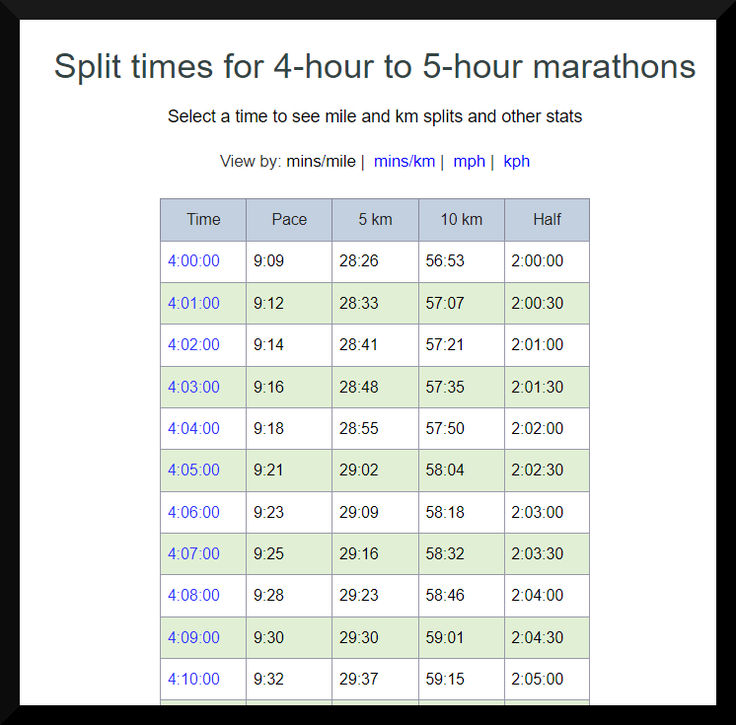
Crossing the finish line of a marathon is a monumental achievement, but the journey doesn’t end there. The post-race period is crucial for recovery, preventing injuries, and setting the stage for future successes. Proper recovery allows your body to rebuild and adapt, enabling you to run stronger and faster in subsequent races. It also provides valuable insights into your performance, allowing you to analyze your pacing strategy and identify areas for improvement.
The Significance of Post-Marathon Recovery
Proper recovery after a marathon is not merely about resting; it’s a multifaceted process that encompasses physical, nutritional, and mental restoration. Ignoring recovery can lead to overtraining, injuries, and diminished performance in future races. Adequate rest and nutrition are vital for repairing muscle damage, replenishing energy stores, and reducing inflammation. Mental recovery is equally important, as the physical and mental demands of a marathon can be exhausting.
Post-Race Recovery Checklist
Implementing a structured recovery plan is key to ensuring a smooth transition back to training. This checklist provides a comprehensive guide for post-marathon recovery.
- Immediate Recovery (First 24-48 hours):
- Cool-down: Walk for 10-15 minutes after crossing the finish line to help your body gradually return to a resting state.
- Rehydration: Replenish fluids and electrolytes lost during the race. Drink water, sports drinks, or electrolyte-rich beverages.
- Nutrition: Consume a meal or snack containing carbohydrates and protein within an hour of finishing to replenish glycogen stores and initiate muscle repair. Examples include a recovery shake, a sandwich with lean protein, or a fruit smoothie with yogurt.
- Compression: Wear compression garments to reduce swelling and improve blood flow to your legs.
- Gentle Movement: Avoid prolonged periods of sitting. Engage in light activities like walking.
- Sleep: Prioritize sleep to facilitate the body’s repair processes. Aim for 8-10 hours of sleep per night.
- Days 2-7:
- Active Recovery: Engage in light activities like walking, swimming, or cycling to promote blood flow and reduce muscle soreness.
- Nutrition: Continue to focus on a balanced diet rich in carbohydrates, protein, and healthy fats.
- Massage: Consider getting a massage to help alleviate muscle soreness and improve circulation.
- Stretching: Gently stretch your muscles to maintain flexibility and prevent stiffness.
- Listen to Your Body: Pay attention to your body’s signals and adjust your activity level accordingly. Rest when needed.
- Weeks 2-4:
- Gradual Return to Training: Gradually increase your training volume and intensity. Start with short, easy runs and gradually incorporate longer runs and speed work.
- Strength Training: Begin incorporating light strength training exercises to rebuild muscle strength and prevent injuries.
- Monitor Progress: Track your progress and adjust your training plan as needed.
- Address Any Issues: If you experience any pain or discomfort, seek medical attention.
Analyzing Race Data for Improvement
Post-race analysis is a powerful tool for identifying strengths and weaknesses in your pacing strategy. By carefully examining your race data, you can pinpoint areas where you can improve in future races. This analysis should involve the following steps.
- Review Your Race Results: Examine your overall finishing time, split times, and any other data available, such as heart rate, elevation, and weather conditions.
- Analyze Split Times: Examine your split times to identify any significant variations in pace. Were your splits consistent, or did you slow down or speed up at certain points?
- Assess Your Heart Rate Data: If you wore a heart rate monitor, analyze your heart rate data to see how your heart rate corresponded to your pace. Did your heart rate consistently stay within your target zones?
- Evaluate Your Hydration and Nutrition: Did you properly fuel and hydrate throughout the race? Did you experience any energy crashes or digestive issues? Review your intake of fluids and calories and correlate them with your race performance.
- Consider External Factors: Assess the impact of external factors such as weather, course conditions, and elevation changes on your pace. Were there any unexpected challenges that affected your performance?
- Identify Areas for Improvement: Based on your analysis, identify areas where you can improve your pacing strategy. Did you start too fast? Did you slow down in the later miles? Were you adequately fueled?
- Create a New Training Plan: Use the insights gained from your race analysis to create a new training plan that addresses your weaknesses and builds on your strengths.
For example, imagine a runner who aimed for a 3:30 marathon but finished in 3:45. Examining their split times might reveal that they maintained a consistent pace for the first 18 miles, but then significantly slowed down. Analyzing heart rate data could show that their heart rate spiked in the later miles. This analysis suggests that the runner might have struggled with maintaining pace in the final miles, perhaps due to inadequate fueling or a lack of endurance training for those later miles.
For their next race, the runner could incorporate more long runs into their training plan and practice their nutrition strategy to avoid the same pitfalls. They might also benefit from practicing running at a slightly slower pace during their training runs to ensure they can sustain their goal pace for the entire race distance.
End of Discussion
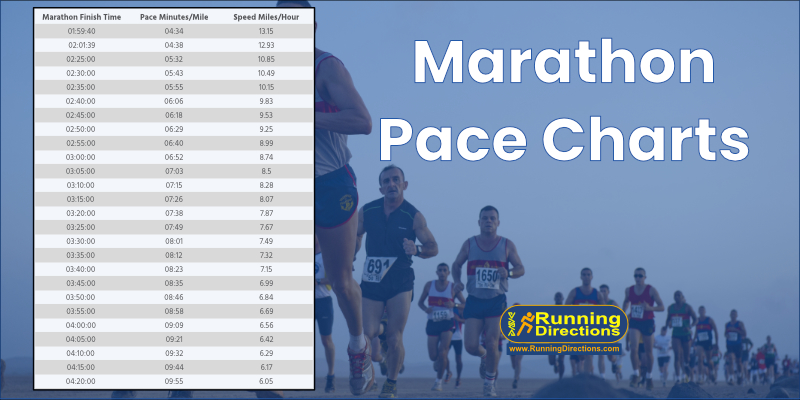
Mastering your marathon pace is more than just crunching numbers; it’s about building a solid foundation of knowledge, training, and mental fortitude. By understanding the principles Artikeld in this guide, you’ll be equipped to not only calculate your ideal pace but also to maintain it throughout the race, regardless of the course conditions. Remember to listen to your body, stay focused, and enjoy the journey.
With the right approach, you can achieve your marathon goals and unlock your full potential as a runner.