Navigating a race course efficiently involves more than just running; it requires mastering the art of aid station utilization. From the start line to the finish, aid stations are your lifeline, offering crucial support to keep you fueled, hydrated, and moving forward. This guide will provide you with the knowledge and strategies to not only locate these essential stops but also to leverage them effectively for optimal performance.
We’ll delve into pre-race preparation, covering everything from understanding aid station logistics to simulating race-day scenarios during training. Learn how to identify stations, approach them safely, and maximize your time there. You’ll discover how to choose the right fuel and hydration, handle unexpected situations, and maintain your momentum after each stop. Get ready to transform your race experience by mastering the art of aid station management!
Pre-Race Preparation: Understanding Aid Station Logistics

Preparing effectively for a race goes beyond training; it requires meticulous planning of your nutrition and hydration strategy. A critical part of this preparation involves understanding the aid stations along the course. Knowing where they are, what they offer, and how to utilize them efficiently can significantly impact your performance and enjoyment of the race. This section provides a detailed guide to help you navigate the aid station logistics before you even reach the starting line.
Finding Aid Station Locations on the Race Course Map
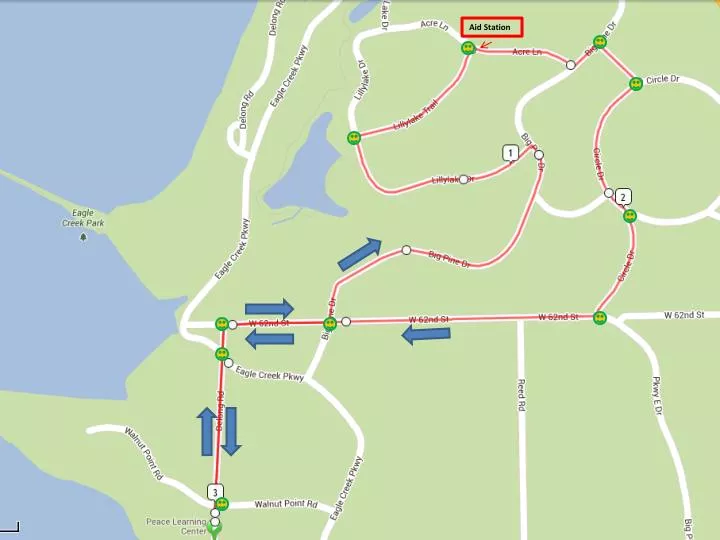
Locating aid stations is the first step in planning your race strategy. Race organizers typically provide a course map, either online, in the race packet, or at the race briefing. This map is your primary resource for identifying aid station locations.
- Course Map Examination: Carefully examine the course map. Aid stations are usually marked with specific symbols, such as a water bottle, a small tent icon, or a flag. These symbols indicate where you can expect to find support.
- Distance and Elevation Profile: Pay close attention to the distance between aid stations. This information is crucial for planning your hydration and nutrition needs. Also, consider the elevation profile. Aid stations may be strategically placed before or after significant climbs or descents, requiring adjustments to your fueling plan.
- Legend and Key: Always consult the map’s legend or key. This section explains the symbols used to represent aid stations, medical support, restrooms, and other important features. The key ensures you correctly interpret the map’s information.
- Digital Resources: Many races now offer digital course maps that are interactive. These maps may allow you to click on an aid station icon to see detailed information, such as the types of supplies offered and the distance from other stations.
Researching Aid Station Supplies
Knowing what each aid station offers allows you to tailor your nutrition and hydration strategy. This knowledge helps you determine what you need to carry with you and what you can rely on the aid stations to provide.
- Race Website and Information: The race website is the primary source of information about aid station supplies. Look for a dedicated section on aid stations, which often lists the food, drinks, and other items available.
- Athlete Guides: Read the athlete guide or race day instructions thoroughly. These guides often provide detailed information about aid station offerings.
- Past Race Reports and Reviews: Search online for past race reports or reviews from previous participants. These reports can provide firsthand accounts of the aid stations, including the quality and variety of supplies.
- Social Media: Check social media platforms, such as Facebook or running forums. Runners often share information and photos about aid station offerings, providing valuable insights.
- Typical Supplies: Aid stations typically offer water, electrolyte drinks (like Gatorade or Tailwind), gels, chews, fruit (bananas, oranges), pretzels, and sometimes more substantial food items like sandwiches or soup. Knowing what’s available helps you decide what to supplement with your own supplies.
Estimating Time to Reach Each Aid Station
Accurately estimating how long it will take to reach each aid station is vital for planning your fueling and hydration schedule. This estimate allows you to calculate how much you need to consume between aid stations.
- Distance and Pace Calculation: Use the distance between aid stations and your anticipated pace to estimate your time. For example, if the distance is 5 miles and your expected pace is 10 minutes per mile, the estimated time to reach the aid station is 50 minutes.
- Elevation and Terrain: Factor in the elevation changes and terrain. Uphill sections will slow your pace, while downhill sections may allow for faster times. Adjust your estimated time accordingly. For instance, a steep uphill climb might add several minutes to your expected time.
- Course Map Analysis: Review the course map for areas that might affect your pace, such as technical trails, stream crossings, or areas with significant crowds.
- Practice Runs and Data: During your training runs, track your time to cover similar distances and terrains. This data provides a more accurate estimate of your pace and helps refine your time predictions.
- Buffer Time: Always add a buffer time to your estimate. Unexpected delays, such as needing to walk a section or stopping for a bathroom break, can affect your progress. Adding a 10-15 minute buffer per aid station can help you stay on track.
Checklist for Items to Carry Between Aid Stations
Preparing a checklist of items to carry between aid stations ensures you have the necessary supplies to maintain your energy and hydration levels. This list helps you avoid running out of essential items before reaching the next aid station.
- Water Bottles or Hydration Pack: Carry sufficient water or electrolyte drink to cover the distance and estimated time between aid stations.
- Nutrition: Pack gels, chews, or other energy sources to supplement what is available at the aid stations. Calculate the number of gels or chews needed based on your fueling plan.
- Electrolyte Tablets or Capsules: Supplement electrolyte drinks if needed, especially in hot weather or if you are a heavy sweater.
- Sunscreen: Protect your skin from sun exposure. Reapply regularly, especially during longer races.
- Hat and Sunglasses: Provide additional protection from the sun.
- Small First-Aid Kit: Include blister treatment, pain relievers, and any personal medications.
- Waste Disposal: Carry a small bag to dispose of used gel packets or wrappers responsibly.
Identifying Aid Stations on the Course
Knowing how to spot aid stations quickly and efficiently is crucial for a successful race. This section focuses on the visual and auditory clues that will help you locate these vital resources, as well as how to differentiate between various types of aid stations.
Visual Cues for Aid Station Identification
Aid stations are designed to be easily recognizable, even from a distance. Race organizers employ several visual strategies to ensure runners can spot them with minimal effort.The most common visual indicators include:
- Brightly Colored Banners and Flags: Look for large, brightly colored banners and flags, often in vibrant colors like orange, yellow, or red. These are typically positioned high above the course to be visible from afar. Sometimes, these flags will have the race logo or the name of the sponsor on them.
- Signage: Clear and concise signage is essential. Signs will usually indicate the distance to the aid station, what supplies are available (water, sports drinks, food), and the direction to follow.
- Tables and Volunteers: Tables laden with supplies and volunteers in branded apparel are a clear sign of an aid station. The number of tables and volunteers often increases at full-service aid stations.
- Crowd of Runners: A cluster of runners is often a good indicator of an aid station, especially if you are further along in the race.
- Directional Markers: Arrows and other directional markers will guide you toward the aid station and, importantly, back onto the course after you’ve refueled.
Auditory Signals Indicating Aid Station Presence
In addition to visual cues, auditory signals can help you identify an aid station, especially when visibility is limited due to weather or terrain.These auditory signals may include:
- Announcements: Race officials may use loudspeakers or megaphones to announce the presence of an aid station, its distance, and the supplies available.
- Music: Music is often played at aid stations to create a more festive atmosphere and provide an audible cue of their location. The volume typically increases as you approach.
- Cheering: The sound of cheering from volunteers and spectators often signals an aid station, especially in more crowded areas.
- Clapping and Cowbells: Volunteers may use clapping or cowbells to draw attention and motivate runners, signaling the proximity of the aid station.
Distinguishing Between Different Types of Aid Stations
Aid stations are not all created equal. Knowing the type of aid station you are approaching is critical for managing your hydration and nutrition strategy.Here’s how to differentiate:
- Water-Only Stations: These stations typically offer only water. They are often located more frequently along the course, especially in hot weather. Look for signs that specifically indicate “Water” or “H2O.”
- Sports Drink Stations: These stations offer electrolyte-rich sports drinks. Signs will usually specify the brand of the drink.
- Full-Service Stations: These stations provide a wider range of options, including water, sports drinks, food (gels, chews, fruit, pretzels), and medical assistance. They are usually spaced further apart than water or sports drink stations.
- Specialized Stations: Some races may have specialized stations offering specific items, such as ice, sponges, or energy gels. The signage will clearly indicate what is available.
Common Race Signage and Offerings
Race organizers use specific signage to communicate what each aid station offers. Understanding these signs is crucial for making informed decisions about your fueling strategy.Here’s a list of common signs and their meanings:
- “Water”: Indicates water is available.
- “Sports Drink (Brand X)”: Indicates the specific sports drink available.
- “GU/Gels”: Indicates energy gels are available.
- “Food”: Indicates a variety of food options, such as fruit, pretzels, or other snacks.
- “Medical”: Indicates medical personnel are present for assistance.
- “Toilet/Porta-Potties”: Indicates the location of restrooms.
- “Distance to Next Aid Station”: Provides information on the distance to the next aid station.
- “Aid Station Ahead”: A general warning sign that an aid station is approaching.
- “Ice”: Indicates ice is available, often in cups or for pouring over your head.
Effective Strategies for Approaching and Entering Aid Stations
Navigating aid stations efficiently is crucial for a successful race. Knowing how to approach, enter, refuel, and exit these stations can significantly impact your performance and overall race experience. This section focuses on the practical techniques and strategies to make your aid station stops as smooth and effective as possible.
Safe Entry Techniques in Crowded Races
Entering an aid station, especially in a crowded race, requires a strategic approach to ensure your safety and minimize delays. Consider these key aspects.
- Anticipate and Plan: Before you reach the aid station, assess the crowd density. Observe where other runners are entering and exiting. Look for gaps or less congested areas to avoid bottlenecks.
- Communicate Your Intentions: As you approach, signal your intention to other runners by calling out “Passing on your left!” or “Aid station, coming through!”. This helps prevent collisions.
- Maintain Controlled Speed: Slow down gradually before entering the aid station. Avoid sudden braking or changes in direction, which can lead to accidents.
- Stay Alert: Be aware of your surroundings. Watch for tripping hazards like discarded cups or uneven terrain. Keep your head up and eyes open to avoid other runners or obstacles.
- Follow Traffic Flow: Once inside, follow the natural flow of traffic. Avoid cutting across runners or blocking access to tables.
Clear and Efficient Communication with Volunteers
Effective communication with aid station volunteers ensures you get what you need quickly and efficiently. This is how you can clearly communicate your needs.
- Be Polite and Respectful: Volunteers are giving their time to support you. A simple “Thank you!” goes a long way.
- Clearly State Your Needs: Don’t assume volunteers can read your mind. Clearly and concisely state what you want: “Water, please,” or “Two gels, please.”
- Be Specific: If you have specific needs (e.g., a particular sports drink or a specific type of food), state them clearly. “Do you have electrolyte drink?” or “Are there bananas?”
- Use Hand Gestures: Combine verbal communication with hand gestures to make your needs even clearer. For example, point to the bottle you want or hold out your hand for a gel.
- Listen to Instructions: Volunteers may provide instructions or direct you to specific areas. Pay attention and follow their guidance.
Comparing Methods for Grabbing Water Bottles or Cups
There are several methods for grabbing water bottles or cups while running, each with its own advantages and disadvantages. Understanding these can help you choose the best approach for your needs.
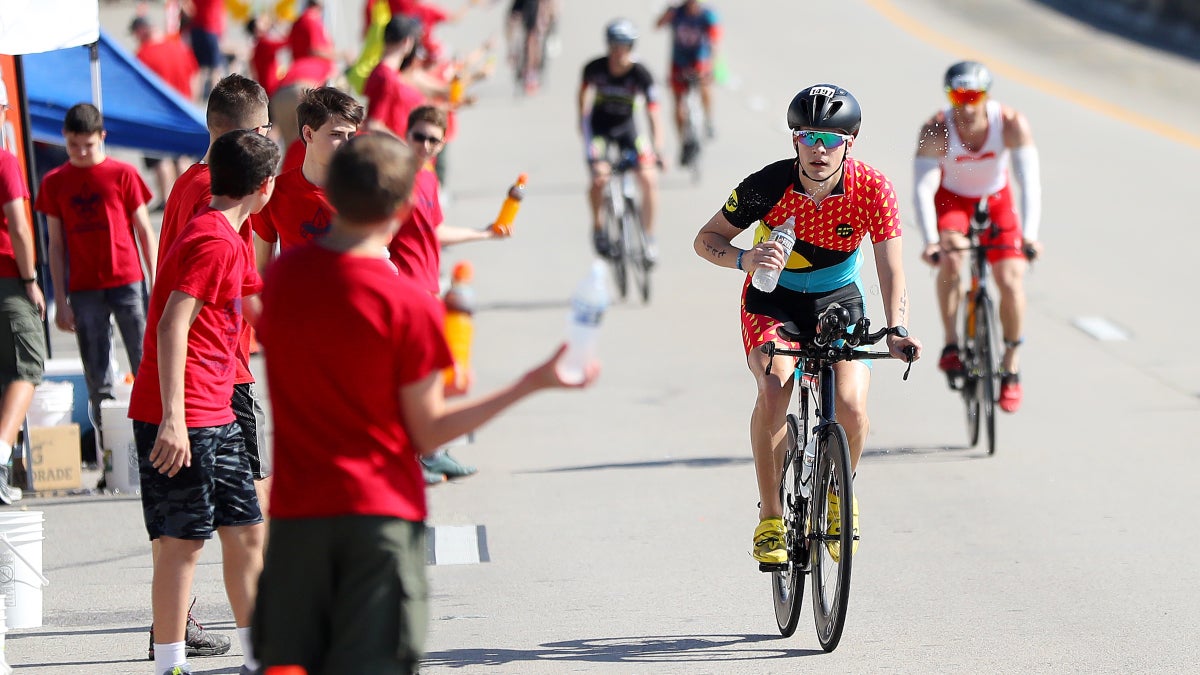
- Grabbing Bottles on the Fly: This method involves grabbing a pre-filled bottle from a volunteer while running. It’s quick but requires good coordination and a steady pace.
- Grabbing Cups on the Fly: Similar to bottles, this involves grabbing a cup from a volunteer. It’s generally easier than grabbing a bottle but can be messier.
- Stopping Briefly: This involves slowing down or stopping to grab a bottle or cup. It allows for a more controlled grab but takes more time.
- Walking Through: In longer races, some runners choose to walk through the aid station to consume food and drink. This is the slowest method but allows for a more relaxed experience.
Step-by-Step Procedure for Efficient Refueling and Rehydrating
A well-organized approach to refueling and rehydrating at an aid station can save valuable time and energy. Here’s a step-by-step procedure:
- Approach Strategically: As mentioned earlier, enter the aid station safely and efficiently.
- Communicate Your Needs: Clearly tell the volunteers what you need.
- Grab What You Need: Take the water, sports drink, or food you requested.
- Refuel and Rehydrate: Drink and eat as needed, but avoid overdoing it. A few sips of water or a bite of food can be enough to keep you going.
- Discard Waste Properly: Dispose of empty cups, bottles, and wrappers in designated trash bins.
- Assess Your Condition: Take a quick moment to assess how you feel. Are you still thirsty or hungry? Do you need anything else?
- Exit Efficiently: Leave the aid station with purpose, ready to resume your race.
- Maintain Pace: Resume your running pace as quickly as possible.
Pro Tip: Practice your aid station strategy during training runs. This will help you refine your technique and make your stops more efficient on race day.
Optimizing Your Aid Station Stops
Efficient aid station management is crucial for maintaining race momentum and achieving your goals. Minimizing time spent at aid stations while effectively fueling and hydrating can significantly impact your overall performance. This section provides practical techniques and strategies to optimize your aid station stops, helping you stay ahead of the competition and feel your best throughout the race.
Techniques to Minimize Time Spent
Successfully minimizing aid station time requires a proactive approach and well-practiced execution. This involves streamlining your actions, anticipating your needs, and being prepared.
- Pre-Planning Your Needs: Before the race, review the aid station offerings and determine what you’ll need at each stop. This might include specific foods, liquids, or gear adjustments.
- Approach with Purpose: Have a clear plan as you approach the aid station. Know exactly what you need and where to find it.
- Practice Makes Perfect: Rehearse your aid station routine during training runs. Practice grabbing bottles, eating food, and making any necessary gear adjustments quickly.
- Carry Essentials: Consider carrying some of your preferred nutrition (gels, chews) and hydration (electrolyte tablets) to supplement aid station offerings and avoid relying solely on what’s available.
- Don’t Linger: Unless absolutely necessary, avoid prolonged rest. Your goal is to refuel and hydrate efficiently, not to take a break.
Method for Quick Consumption of Food and Liquids
Consuming food and liquids quickly and efficiently is essential for minimizing aid station time. Proper technique and preparation are key.
- Bottle Management: Practice grabbing bottles with one hand while running. If you have a hydration pack, refill it efficiently.
- Food Selection: Choose easily consumable foods. Avoid anything that requires significant chewing or handling, especially when your hands are cold or wet.
- Hydration Strategy: Alternate between consuming liquids and solid food. Don’t try to eat and drink simultaneously, which can lead to choking or inefficient consumption.
- Portion Control: Take small, manageable bites of food. This allows for quicker chewing and swallowing.
- Avoid Overdoing It: Don’t try to eat or drink everything available. Take only what you need to fuel your next segment.
Ways to Avoid Common Pitfalls
Several common mistakes can significantly slow you down at aid stations. Recognizing and avoiding these pitfalls will help you optimize your stops.
- Fumbling with Supplies: Have your gear organized and easily accessible. Practice retrieving and replacing items during training.
- Getting Distracted: Stay focused on your goals. Avoid conversations that can lead to extended stops.
- Waiting in Line: If possible, use multiple aid station tables. Be aware of where other runners are going.
- Overeating or Overdrinking: Consume only what you need. Overdoing it can lead to stomach issues and discomfort.
- Poor Planning: Failing to plan your needs beforehand can lead to indecision and wasted time.
Example Race Schedule and Aid Station Time Estimates
This example race schedule demonstrates how to incorporate aid station stops into your overall race strategy. The estimates are based on a hypothetical marathon with aid stations approximately every 5 miles. These are estimates, and actual times may vary depending on the individual runner’s needs and race conditions.
Race: Marathon
Overall Goal: Finish in under 4 hours (pace of approximately 9:09 minutes per mile)
| Mile Marker | Activity | Estimated Time | Reasoning |
|---|---|---|---|
| 5 | Aid Station Stop | 30 seconds | Grab a bottle of water, possibly a gel if feeling low on energy. |
| 10 | Aid Station Stop | 45 seconds | Refill water bottle, grab a sports drink, eat a few chews. |
| 13.1 (Half Marathon) | Aid Station Stop | 60 seconds | Refill water bottle, grab a sports drink, consume a gel, and possibly use the restroom if needed. |
| 15 | Aid Station Stop | 30 seconds | Grab a bottle of water. |
| 20 | Aid Station Stop | 60 seconds | Refill water bottle, grab a sports drink, and maybe eat a banana. |
| 25 | Aid Station Stop | 75 seconds | Refill water bottle, grab a sports drink, consume a gel, and assess overall condition (walk briefly if necessary). |
| Finish Line | Finish the Race! | N/A | Celebrate! |
Total Estimated Aid Station Time: Approximately 4 minutes and 45 seconds. This allows for efficient refueling without significant delays.
Remember that these are estimates. Adjust your plan based on your personal needs, the race conditions, and the aid station offerings. Consistent practice during training will help you refine your aid station strategy.
Utilizing Aid Station Offerings
Aid stations are not just pit stops; they are vital resource hubs during a race, offering more than just fuel and fluids. Understanding how to effectively utilize these stations can significantly impact your performance and overall race experience. From strategically selecting food and drink to leveraging medical assistance and making gear adjustments, knowing how to maximize aid station benefits is crucial.
Common Food and Drink Options
Aid stations typically provide a range of food and drink options designed to replenish energy and hydration. The specific offerings can vary depending on the race, but certain staples are commonly available.
- Hydration Drinks: These often include water, electrolyte beverages (containing sodium, potassium, and other electrolytes), and sometimes even sports drinks with carbohydrates.
- Energy Gels and Chews: These are concentrated sources of carbohydrates, often packaged in small, easy-to-consume portions.
- Fruits: Bananas, oranges, and other easily digestible fruits are common, providing natural sugars and electrolytes.
- Salty Snacks: Pretzels, potato chips, or other salty snacks help replenish sodium lost through sweat.
- Solid Foods: Some aid stations may offer sandwiches, cookies, or other more substantial food items.
- Specialty Items: Races may also provide specific items like soup, broth, or other customized offerings based on the event.
Determining Nutritional Needs
Selecting the right aid station offerings depends on your individual needs and the race conditions. Consider these factors when making your choices:
- Duration and Intensity of the Race: Longer, more intense races require more carbohydrates and electrolytes.
- Personal Preferences: Practice with different foods and drinks during training to identify what works best for your stomach.
- Weather Conditions: Hot weather increases the need for hydration and electrolytes, while cold weather might make you crave warmer foods.
- Your Body’s Signals: Pay attention to hunger cues and signs of dehydration or electrolyte imbalance, such as muscle cramps.
Remember to create a race day nutrition plan based on your training experiences. Don’t experiment with new foods or drinks on race day.
Aid Stations for Purposes Beyond Food and Hydration
Aid stations offer more than just fuel and fluids. They can be crucial for addressing various needs that arise during a race.
- Medical Assistance: Trained medical personnel are often available to treat injuries, assess health concerns, and provide first aid.
- Gear Adjustments: Aid stations can be a place to address gear-related issues, such as blisters, chafing, or equipment malfunctions.
- Rest and Recovery: Some aid stations provide opportunities to rest, stretch, or apply sunscreen.
- Mental Boost: Seeing friendly faces and getting encouragement from volunteers can be a significant morale booster.
Comparing Aid Station Food and Drink Choices
Here’s a comparison of common aid station offerings, highlighting their benefits and drawbacks.
| Food/Drink Item | Benefits | Drawbacks | Considerations |
|---|---|---|---|
| Water | Essential for hydration; readily available. | May not replenish electrolytes; can lead to hyponatremia if consumed excessively without electrolytes. | Drink to thirst; alternate with electrolyte drinks. |
| Electrolyte Beverages | Replenishes electrolytes lost through sweat; aids in hydration. | Can contain high sugar content; may cause stomach upset in some individuals. | Choose options with moderate sugar levels; test during training. |
| Energy Gels/Chews | Quick source of carbohydrates; easy to consume on the go. | Can cause stomach issues if overused; often requires water to wash down. | Follow package instructions; practice during training; alternate with other food sources. |
| Bananas/Oranges | Natural sugars and electrolytes; easy to digest. | Can be messy to eat; may not provide enough calories for longer races. | Consider as part of a varied nutrition plan; discard peels properly. |
| Salty Snacks (Pretzels/Chips) | Replenishes sodium; can help prevent muscle cramps. | May be high in sodium; can be difficult to digest for some. | Consume in moderation; pair with other food sources; consider individual sodium needs. |
Handling Unexpected Situations at Aid Stations
Navigating aid stations effectively is crucial for a successful race, but unexpected circumstances can arise. Being prepared for these situations, from missing supplies to medical emergencies, will help you maintain your composure and make informed decisions, ultimately protecting your performance and well-being. This section provides strategies to help you manage these challenges.
Dealing with Unavailable Aid Station Items
Aid stations, despite their best efforts, can sometimes run out of specific items you need, such as your preferred energy gels, electrolyte drinks, or even water. Staying calm and adaptable is key.
- Assess the Situation: Before panicking, quickly evaluate what’s available. Are there alternatives? Can you make do with what’s offered?
- Explore Alternatives: Look for substitutions. If your favorite gel is gone, are there other gels, chews, or solid foods that offer similar carbohydrates? If your electrolyte drink is unavailable, can you combine water with salt tablets or other electrolyte options?
- Communicate with Volunteers: Politely ask volunteers if they anticipate a restock or if they have any hidden stashes. They might have a solution you haven’t considered.
- Rely on Your Backup Plan: You should always carry some emergency supplies with you, such as extra gels, chews, or hydration tablets, as part of your race day strategy. This is particularly important for longer races where reliance on aid stations is higher.
- Adjust Your Strategy: If you can’t find a suitable substitute, you may need to adjust your fueling strategy. This could involve consuming more solid foods if gels are unavailable, or spacing out your fueling intervals differently.
Handling Medical Issues at Aid Stations
Medical issues can happen, and aid stations are often the first point of contact for racers needing medical attention. Knowing how to respond effectively can be crucial.
- Recognize the Problem: Be aware of the signs of common race-related medical issues, such as heat exhaustion (dizziness, nausea, headache), hyponatremia (confusion, swelling), or muscle cramps.
- Seek Help Immediately: If you experience a medical issue, inform the nearest aid station volunteer or medical personnel immediately. Do not try to tough it out.
- Describe Your Symptoms Clearly: Provide a concise and accurate description of your symptoms. Include when they started, what makes them better or worse, and any relevant medical history.
- Follow Medical Advice: Listen to the medical staff’s recommendations. They may suggest rest, hydration, medication, or evacuation from the race.
- Prioritize Your Health: Your health and safety are the priority. Don’t be afraid to drop out of the race if necessary. It’s better to recover and race another day than to risk serious injury.
Adjusting Your Race Plan for Nutritional or Hydration Deficiencies
Falling behind on nutrition or hydration can significantly impact your performance. Recognizing the signs and knowing how to adapt your plan is crucial.
- Identify the Problem: Recognize the signs of inadequate fueling, such as fatigue, bonking (sudden energy depletion), or poor performance. Likewise, be alert to signs of dehydration, including excessive thirst, dark urine, or dizziness.
- Assess the Cause: Determine why you’re behind. Did you miscalculate your fueling needs? Are you having trouble consuming the planned amount? Were aid stations less accessible than anticipated?
- Increase Intake Strategically: If you’re behind on calories, increase your intake at the next aid station. Prioritize easily digestible foods and drinks. Avoid trying to catch up all at once, which can lead to stomach issues.
- Adjust Hydration: If dehydrated, focus on rehydrating slowly and consistently. Avoid over-drinking, which can lead to hyponatremia. Electrolyte drinks or tablets can help restore balance.
- Re-evaluate Your Pace: If you’re struggling to keep up with your nutrition and hydration plan, consider adjusting your pace. Slowing down can make it easier to fuel and hydrate effectively.
- Monitor Your Progress: Pay attention to how your body responds to the adjustments. If you’re still struggling, consider consulting with a medical professional or coach for further guidance.
Essential Questions for Aid Station Volunteers in an Emergency
In an emergency, knowing what information to gather can be vital. Asking the right questions to aid station volunteers will help you make informed decisions and get the assistance you need.
- What medical resources are available at this aid station? Knowing the level of medical support available (e.g., first aid, EMTs, medical doctor) is essential.
- What is the protocol for contacting race medical personnel or emergency services? Find out how to get in touch with medical staff and how they handle serious incidents.
- Where is the nearest medical facility or evacuation point? Knowing where to go for more advanced care is critical.
- Can you provide assistance with (specific need)? Clearly state what kind of assistance you need, whether it’s a bandage, a ride, or help contacting a loved one.
- Are there any other racers who require medical attention? Knowing if other racers are in trouble can help assess the overall situation.
Practice and Training: Simulating Aid Station Experiences
Training isn’t just about logging miles; it’s about preparing your body and mind for race day. A crucial aspect often overlooked is practicing your aid station routine. By simulating race-day scenarios during training, you can refine your strategy, identify potential problems, and build confidence in your ability to fuel and hydrate effectively. This section will guide you through incorporating aid station practice into your training runs.
Practicing Your Aid Station Routine During Training Runs
The key to effective aid station practice is consistency. Replicating the actions you plan to take during the race will make them second nature.
- Choose a Suitable Location: Select a training route that offers opportunities to simulate aid stations. This could be a loop near your home where you can set up your own “aid station,” or a route with convenient access to water fountains or stores.
- Replicate Race-Day Offerings: Experiment with the nutrition and hydration products you plan to use during the race. This might involve using the same gels, chews, electrolyte drinks, and water bottles.
- Time Your Stops: Practice the time it takes you to approach, enter, refuel, and exit your “aid station.” Aim for efficiency, minimizing the time spent stationary.
- Practice Different Scenarios: Vary your practice runs to simulate different race conditions. This could include practicing in hot weather, cold weather, or after running on trails.
- Use a Checklist: Create a checklist of your aid station tasks (e.g., grab water, eat gel, refill bottle). Following a checklist will help you stay organized and avoid forgetting anything during the race.
Tips for Simulating Race-Day Conditions When Practicing Aid Station Stops
To make your training as realistic as possible, consider these factors when simulating race-day conditions.
- Mental Fatigue: Practice making quick decisions while fatigued. This could involve running longer distances or incorporating challenging workouts before your aid station practice.
- Physical Fatigue: Practice your aid station routine after periods of intense exercise. This will simulate the physical strain you’ll experience during the race.
- Crowds and Congestion: If possible, practice in a group or with other runners to simulate the crowded environment of an aid station.
- Weather Conditions: Train in similar weather conditions to what you expect on race day. This will help you adapt to the specific challenges of heat, cold, wind, or rain.
- Equipment Familiarity: Ensure you are comfortable with all the gear you plan to use on race day, including hydration packs, bottles, and any other accessories.
Methods for Assessing Your Aid Station Strategy During Training
Regular assessment is crucial for optimizing your aid station strategy. This helps you identify areas for improvement.
- Track Your Times: Time how long it takes you to complete your aid station routine during each training run. Note any improvements or areas where you are slowing down.
- Record Your Consumption: Keep a log of the nutrition and hydration products you consume at each “aid station.” Note how your body responds to these products.
- Analyze Your Energy Levels: Pay attention to your energy levels before and after your aid station stops. Are you feeling revitalized, or are you experiencing a slump?
- Seek Feedback: If training with others, ask for their feedback on your aid station routine. They might notice things you don’t.
- Review and Adjust: Based on your observations, make adjustments to your strategy. This could involve changing your nutrition plan, improving your efficiency, or refining your equipment.
Incorporating Aid Station Practice into Your Long Runs
Long runs are the perfect opportunity to practice your aid station strategy.
- Plan Your Stops: Before your long run, determine where and when you will simulate your aid station stops.
- Carry Your Supplies: Bring all the nutrition and hydration products you plan to use during the race.
- Simulate Race-Day Procedures: Follow your planned race-day routine at each stop, including grabbing supplies, consuming nutrition, and refilling your bottles.
- Vary Your Approach: Experiment with different strategies, such as alternating between walking and running while eating or drinking.
- Monitor Your Body: Pay attention to how your body responds to your aid station routine. Adjust your plan as needed.
Post-Aid Station Recovery and Continued Performance
Leaving an aid station should be a seamless transition, allowing you to maintain or even regain momentum. Effectively managing your post-aid station experience is crucial for consistent performance throughout the race. This involves carefully resuming your pace, monitoring your body’s response, and proactively addressing any potential issues that may arise from aid station consumption.
Resuming Your Pace and Maintaining Momentum
Getting back into your rhythm after an aid station stop requires a strategic approach. It’s not just about running again; it’s about minimizing the disruption to your pace and energy levels.The first few minutes after leaving an aid station are critical. Avoid the temptation to immediately sprint. Instead, focus on a gradual return to your target pace. Start with a comfortable jog, gradually increasing your speed over the next few minutes.
This allows your body to adjust to the change in activity and reduces the risk of muscle cramps or other discomfort.Consider the terrain immediately after the aid station. If it’s uphill, adjust your pace accordingly. Don’t try to maintain your pre-aid station pace if it’s unsustainable on the incline. Conversely, if it’s downhill, be mindful of your form to prevent excessive strain on your muscles.Remember to take mental notes.
Are you feeling energized? Did the food and drink at the aid station provide the boost you needed? This self-assessment will help you refine your aid station strategy for future races.
Monitoring Your Body’s Response to Aid Station Intake
Understanding how your body reacts to the food and drink you consume at aid stations is essential for optimizing your performance. Pay close attention to various physiological signals.Monitor your energy levels. Did you feel a surge of energy shortly after consuming the provided fuel, or did you experience a lag? The timing and intensity of the energy boost can help you determine the effectiveness of the aid station offerings.Pay attention to your hydration levels.
Are you feeling thirsty or adequately hydrated? Check for signs of dehydration, such as dark urine, dizziness, or fatigue. If you are experiencing these symptoms, you may need to adjust your hydration strategy.Observe your digestive system. Are you experiencing any stomach discomfort, such as bloating, cramping, or nausea? These symptoms could indicate an issue with the food or drink you consumed.Monitor your heart rate.
Has it returned to a normal level after the aid station stop, or is it elevated? A sustained elevated heart rate could indicate that your body is struggling to process the food or that you are overexerting yourself.
Preventing Digestive Problems After Aid Station Consumption
Digestive issues are a common pitfall for endurance athletes, particularly during races. Proactive measures can minimize the risk of stomach problems and maintain your performance.Avoid overeating at aid stations. Consuming excessive amounts of food or drink can overwhelm your digestive system. Stick to the amounts you’ve practiced during training.Be mindful of the food combinations. Some food combinations may be more difficult to digest than others.
If you’re unsure, err on the side of caution and choose familiar options.Drink water or sports drink in moderation. Avoid chugging large quantities of fluids, which can lead to bloating or stomach upset. Sip fluids slowly and consistently.Be aware of the temperature of the food and drinks. Extremely cold or hot items can sometimes cause digestive distress.
Signs to Adjust Your Aid Station Strategy
Recognizing the signs that your aid station strategy needs adjustment is critical for preventing performance decline. Here are some key indicators:
- Persistent Stomach Discomfort: Frequent or prolonged bloating, cramping, nausea, or diarrhea.
- Energy Lulls: Experiencing consistent energy crashes after aid station stops.
- Excessive Thirst: Feeling extremely thirsty despite consuming fluids at aid stations.
- Slowed Pace: A noticeable and consistent drop in your running pace after aid station stops.
- Heartburn or Reflux: Experiencing heartburn or acid reflux after consuming certain foods or drinks.
- Difficulty Digesting Specific Foods: Repeated issues with particular food items offered at aid stations.
- Dehydration Symptoms: Exhibiting signs of dehydration, such as dark urine, dizziness, or fatigue.
- Muscle Cramps: Experiencing muscle cramps that coincide with aid station consumption.
Epilogue

In summary, mastering aid stations is a game-changer for any racer. By planning ahead, understanding the course, and practicing your routine, you can transform these stops from potential bottlenecks into strategic advantages. Remember to listen to your body, adapt your plan as needed, and always prioritize your well-being. With the right approach, you’ll not only survive the race but thrive, reaching the finish line feeling strong and accomplished.