Marathon day is the culmination of months of training, but muscle cramps can quickly derail your race. This guide, How to Use Electrolytes to Prevent Cramping During a Marathon, will explore the science behind these painful spasms and, more importantly, equip you with the knowledge to prevent them. We’ll delve into the crucial role of electrolytes, those tiny but mighty minerals that keep your muscles firing, and how to strategically use them to cross the finish line strong and cramp-free.
From understanding the physiological causes of cramps to crafting a personalized electrolyte plan, we’ll cover everything you need to know. We’ll examine different electrolyte formulations, pre-race strategies, in-race consumption techniques, and the importance of hydration. You’ll learn how to identify your unique electrolyte needs based on factors like weather, pace, and body weight, allowing you to optimize your performance and minimize the risk of cramping during your next marathon.
Understanding Marathon Cramping
Marathon cramping is a common and often debilitating experience for runners. Understanding the physiological mechanisms behind these cramps is crucial for effective prevention and management. This section will delve into the causes of muscle cramps, the role of electrolyte imbalance, and the differentiation between muscle fatigue and cramping.
Physiological Causes of Muscle Cramps
Muscle cramps during a marathon are complex, involving a combination of factors that disrupt the normal function of muscle fibers. These factors can lead to involuntary and painful muscle contractions.* Neuromuscular Fatigue: Prolonged running leads to neuromuscular fatigue. This occurs when the nervous system becomes less efficient at transmitting signals to the muscles. The fatigued nervous system can become hyper-excitable, leading to uncontrolled muscle contractions.
This is similar to a short circuit in an electrical system.* Muscle Overuse and Damage: The repetitive impact and sustained effort of running a marathon can cause microscopic damage to muscle fibers. This damage triggers an inflammatory response. Inflammation can increase muscle excitability and contribute to cramping.* Dehydration: While electrolyte imbalance is often blamed, dehydration itself can also contribute.
Reduced blood volume due to dehydration decreases blood flow to muscles, leading to decreased oxygen supply and increased metabolic waste buildup, which can exacerbate cramping.* Glycogen Depletion: As the race progresses, glycogen stores (the body’s stored form of glucose) in muscles deplete. This lack of fuel can impair muscle function and contribute to fatigue and cramping.
Role of Electrolyte Imbalance
Electrolytes, such as sodium, potassium, calcium, and magnesium, play critical roles in muscle function, including muscle contraction and relaxation. An imbalance in these electrolytes can significantly increase the risk of cramping.* Sodium: Sodium is essential for maintaining fluid balance and nerve impulse transmission. Sodium loss through sweat is a major factor in electrolyte imbalance during marathons. Low sodium levels (hyponatremia) can disrupt nerve function and contribute to muscle cramps.* Potassium: Potassium is involved in muscle contraction and relaxation.
Low potassium levels (hypokalemia) can lead to muscle weakness and cramping. It is also lost through sweat, although to a lesser extent than sodium.* Calcium: Calcium is crucial for muscle contraction. Although calcium levels in the blood are tightly regulated, imbalances can still occur, especially when combined with other electrolyte deficits.* Magnesium: Magnesium plays a role in muscle relaxation and energy production.
Low magnesium levels (hypomagnesemia) can increase muscle excitability and susceptibility to cramping. Electrolyte imbalance can disrupt the delicate balance of ions within muscle cells, leading to involuntary contractions. For example, low sodium levels can impair the ability of muscle cells to depolarize and repolarize properly, leading to sustained contractions.
Muscle Fatigue vs. Cramping
While often related, muscle fatigue and cramping are distinct phenomena. Differentiating between the two is essential for proper management and treatment.* Muscle Fatigue: Muscle fatigue is a normal response to prolonged exercise. It is characterized by a gradual decline in muscle force and power output. Symptoms include a feeling of heaviness, weakness, and reduced speed.* Muscle Cramping: Muscle cramping is characterized by sudden, involuntary, and painful muscle contractions.
Cramps can range in severity from mild twinges to severe, debilitating spasms. Muscle fatigue can increase the risk of cramping, but they are not the same thing. Fatigue can make muscles more susceptible to cramping by altering neuromuscular function and increasing muscle excitability. However, cramping can occur even in the absence of significant fatigue, particularly when electrolyte imbalances are present.
For instance, a runner may experience a cramp due to sodium depletion, even if their overall fatigue level is relatively low.
The Science of Electrolytes
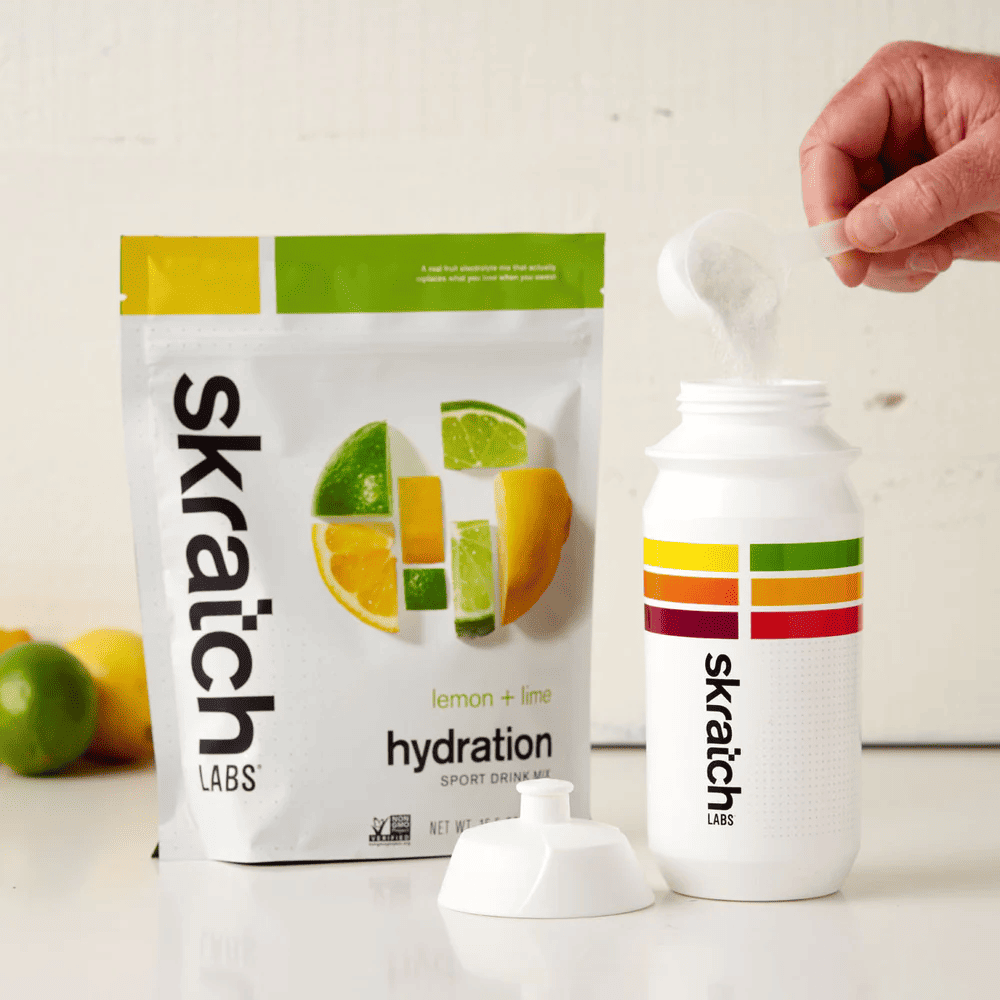
Electrolytes are essential minerals that carry an electrical charge and play a critical role in numerous bodily functions, particularly during endurance activities like marathons. They are vital for maintaining fluid balance, nerve function, and muscle contractions. Understanding the science behind these electrolytes is key to preventing cramping and optimizing performance.
Key Electrolytes and Their Roles
Several electrolytes are crucial for marathon runners. Each plays a unique role in muscle function, hydration, and overall well-being.
- Sodium: This is the primary electrolyte lost in sweat. Sodium helps regulate fluid balance, nerve impulse transmission, and muscle contractions. A low sodium level (hyponatremia) can lead to muscle cramps, fatigue, and in severe cases, even seizures. Sodium also facilitates the absorption of water in the small intestine.
- Potassium: Potassium is another important electrolyte that contributes to muscle function and nerve signaling. It helps regulate the heart rhythm and is involved in muscle contractions. While not lost as abundantly as sodium in sweat, potassium depletion can also contribute to cramping and muscle weakness.
- Magnesium: Magnesium plays a vital role in muscle relaxation and energy production. It is involved in hundreds of enzymatic reactions within the body, including those related to muscle function. Magnesium deficiency can lead to muscle cramps, spasms, and fatigue.
- Calcium: Calcium is crucial for muscle contractions and bone health. It works alongside sodium and potassium in the process of muscle contraction and relaxation. Though less significantly lost through sweat compared to sodium, maintaining adequate calcium levels is important for preventing muscle cramps.
Electrolyte Formulation Absorption Rates
The rate at which your body absorbs electrolytes varies depending on the formulation. Different delivery methods have different advantages and disadvantages. Here’s a comparison:
| Formulation Type | Absorption Rate | Advantages/Disadvantages |
|---|---|---|
| Electrolyte Tablets | Moderate |
|
| Electrolyte Gels | Fast |
|
| Electrolyte Drinks | Moderate to Fast |
|
Electrolyte Loss During a Marathon
Marathon running causes significant electrolyte loss, primarily through sweat. The extent of this loss depends on several factors, including:
- Sweat Rate: This varies based on the individual, the intensity of the run, the weather conditions (temperature and humidity), and the runner’s acclimatization to the heat.
- Running Intensity: Higher intensity leads to a higher sweat rate.
- Individual Variability: Some individuals are “salty sweaters” and lose more sodium than others.
A study published in the Journal of the American College of Sports Medicine found that marathon runners can lose between 1 and 4 liters of sweat during a race, resulting in a significant loss of electrolytes, especially sodium. This loss can disrupt the delicate balance of electrolytes in the body, potentially leading to muscle cramps, fatigue, and hyponatremia. For instance, a runner who loses 2 liters of sweat per hour, with a sodium concentration of 1 gram per liter, will lose approximately 2 grams of sodium every hour.
Identifying Your Electrolyte Needs
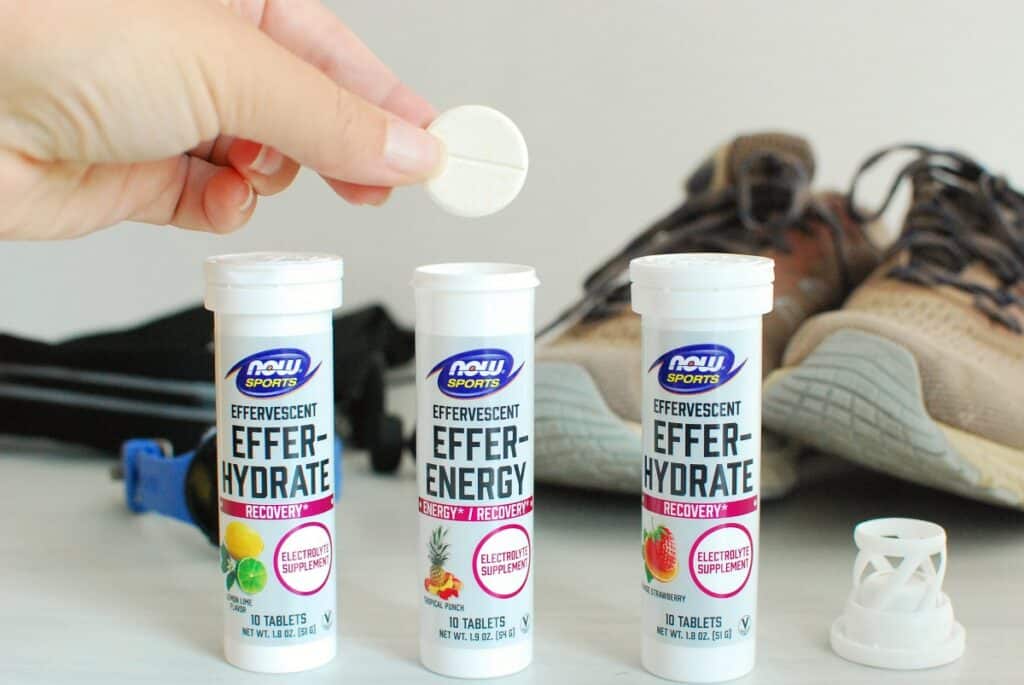
Understanding your individual electrolyte needs is crucial for preventing cramps and optimizing performance during a marathon. Factors such as weather, pace, and body weight significantly influence how much sodium, potassium, magnesium, and other electrolytes you lose through sweat. This section will guide you through identifying these needs and creating a personalized electrolyte strategy.
Factors Influencing Electrolyte Requirements
Several factors determine how much electrolytes your body loses while running. Recognizing these elements will help you tailor your electrolyte intake.
- Weather Conditions: Hot and humid weather leads to increased sweating, resulting in higher electrolyte loss. Conversely, cooler temperatures may decrease sweat rate and electrolyte needs. For example, a runner in a marathon held in 85°F (29°C) with high humidity will likely require significantly more electrolytes than a runner in a 50°F (10°C) race.
- Running Pace: A faster pace typically elevates your body temperature, increasing sweat production and electrolyte loss. Slower paces might result in less sweating, but the duration of the run extends, affecting the total electrolyte demand.
- Body Weight: Larger individuals generally sweat more than smaller individuals, thus losing more electrolytes. A heavier runner may require more electrolyte replenishment than a lighter runner covering the same distance at the same pace and weather conditions.
- Individual Physiology: Genetics, acclimatization to heat, and overall fitness levels also play a role. Some individuals are “salty sweaters,” losing a higher concentration of sodium in their sweat than others.
- Acclimatization: Runners who are acclimatized to the heat will sweat earlier and more efficiently, which can influence electrolyte needs. Those not acclimatized might experience a higher electrolyte concentration in their sweat.
Calculating Sweat Rate and Electrolyte Loss
Estimating your sweat rate and electrolyte loss is a valuable step toward personalizing your hydration plan. This process involves weighing yourself before and after a run, and measuring fluid intake during the run.
Sweat Rate Calculation:
Here’s how to calculate your sweat rate per hour:
Sweat Rate (L/hour) = (Body weight loss in kg + Fluid intake in liters – Urine output in liters) / Running time in hours
Example:
A runner weighs 70 kg before a 2-hour run. After the run, they weigh 69 kg, consumed 1 liter of fluid, and didn’t urinate.
Sweat Rate = (1 kg + 1 liter – 0 liters) / 2 hours = 1 liter/hour
Estimating Sodium Loss:
The concentration of sodium in sweat varies among individuals. A typical range is 200-1500 mg of sodium per liter of sweat. To estimate sodium loss:
Sodium Loss (mg) = Sweat Rate (liters/hour)
- Sodium concentration in sweat (mg/liter)
- Running time (hours)
Example:
Using the example above, if the runner’s sweat sodium concentration is 500 mg/liter:
Sodium Loss = 1 liter/hour
– 500 mg/liter
– 2 hours = 1000 mg
Personalizing Your Electrolyte Intake Strategy
Based on your estimated sweat rate and sodium loss, you can create a tailored electrolyte intake plan for your marathon.
- Pre-Race Hydration: Begin hydrating with an electrolyte-rich beverage in the days leading up to the race. This helps to ensure optimal hydration and electrolyte balance.
- During the Race:
- Electrolyte Source: Choose electrolyte supplements, sports drinks, or gels that provide sodium, potassium, and other essential electrolytes.
- Timing: Start consuming electrolytes early in the race, and continue at regular intervals based on your estimated sweat rate and electrolyte loss.
- Dosage: Follow the product’s guidelines, but adjust based on your individual needs and the environmental conditions. Consider starting with a lower dose and increasing it if needed.
- Post-Race Recovery: Replenish electrolytes after the race to aid recovery. This includes consuming electrolyte-rich foods and beverages to restore balance.
- Practice and Experimentation: Test your electrolyte strategy during training runs. This will help you refine your plan and identify the products and dosages that work best for you.
- Listen to Your Body: Pay attention to early signs of electrolyte imbalance, such as muscle cramps, fatigue, and nausea. Adjust your intake as needed during the race.
Pre-Race Electrolyte Strategies
Preparing for a marathon requires careful attention to electrolyte balance, especially in the days leading up to the race. Proper pre-race strategies can significantly impact your performance and help prevent cramping. This section Artikels a comprehensive plan for maximizing electrolyte stores, focusing on hydration, nutrition, and timing.
Pre-Race Hydration and Electrolyte Loading Plan
Hydration and electrolyte loading are crucial components of your pre-race preparation. This plan aims to saturate your body with fluids and electrolytes to ensure optimal performance and minimize the risk of cramping.
- Hydration Guidelines: Aim for consistent hydration in the days leading up to the marathon. This means drinking enough water to maintain pale yellow urine. Avoid excessive fluid intake that can lead to hyponatremia.
- Electrolyte Loading: Begin electrolyte loading 3-5 days before the race. This involves supplementing your diet with electrolytes, focusing on sodium, potassium, magnesium, and calcium.
- Sodium Intake: Increase sodium intake by consuming electrolyte drinks, salty snacks, and adding salt to your meals. The exact amount depends on individual sweat rates and previous cramping history. A general guideline is to increase sodium intake by 500-1000mg per day.
- Potassium Intake: Incorporate potassium-rich foods such as bananas, sweet potatoes, and spinach. Consider a potassium supplement if your diet is deficient, but consult with a healthcare professional before starting any new supplement.
- Magnesium and Calcium Intake: Ensure adequate intake of magnesium and calcium through foods like leafy greens, nuts, and dairy products. Consider a supplement if dietary intake is insufficient, following the guidance of a healthcare provider.
- Fluid Intake Calculation: Use a sweat rate test to estimate your fluid needs during the race. Knowing how much fluid you lose through sweat will help you tailor your pre-race hydration plan. A sweat rate test involves weighing yourself before and after a workout, measuring the amount of fluid consumed during the workout, and calculating the difference.
- Example Plan: Consider a runner weighing 150 pounds, with a history of cramping, starting 3 days before the marathon:
- Day 3: Increase sodium intake by 750mg, including electrolyte drinks with meals and adding salt to food.
- Day 2: Continue the same sodium intake, and consume a potassium-rich snack (e.g., banana) before bed.
- Day 1: Maintain the same electrolyte strategy and drink a pre-race electrolyte beverage.
Pre-Race Meal Plan Incorporating Electrolyte-Rich Foods
A well-designed meal plan in the days leading up to the marathon should prioritize foods that are naturally rich in electrolytes. This will help to optimize your electrolyte stores and fuel your body for the race.
- Focus on Whole Foods: Base your meals around whole, unprocessed foods. These foods are naturally rich in essential nutrients and electrolytes.
- Sodium-Rich Foods: Include foods like pretzels, salted nuts, and broth-based soups.
- Potassium-Rich Foods: Consume bananas, sweet potatoes, spinach, and avocados.
- Magnesium-Rich Foods: Eat leafy green vegetables, nuts, seeds, and whole grains.
- Calcium-Rich Foods: Incorporate dairy products (if tolerated) or calcium-fortified alternatives, such as almond milk or tofu.
- Meal Timing: Space your meals throughout the day to allow for proper digestion and absorption of nutrients. Avoid large meals close to bedtime.
- Sample Meal Plan (2 Days Before):
- Breakfast: Oatmeal with banana, a sprinkle of salt, and a glass of almond milk.
- Lunch: Chicken salad sandwich on whole-wheat bread with a side of spinach salad and a small bag of pretzels.
- Dinner: Baked sweet potato with grilled chicken, steamed broccoli, and a broth-based soup.
- Snacks: Handful of almonds, a banana, or a small serving of electrolyte-rich sports chews.
- Example Scenario: Consider a runner who is highly prone to cramping. They may increase their sodium intake through foods like chicken broth, salted crackers, and adding salt to their pasta dishes in the days leading up to the marathon.
Timing and Types of Electrolyte Intake Recommended
The timing and type of electrolyte intake are crucial for maximizing the effectiveness of your pre-race strategy. Proper timing ensures your body has ample stores of electrolytes when you need them most.
- Days Leading Up to the Race (3-5 Days): Begin consistent electrolyte supplementation, gradually increasing your intake of sodium, potassium, magnesium, and calcium. Use electrolyte drinks, supplements, and electrolyte-rich foods to achieve this.
- Day Before the Race: Maintain a consistent electrolyte intake, including a pre-race electrolyte beverage. This helps top off electrolyte stores.
- Race Morning: Consume a pre-race meal that includes electrolytes, such as a bagel with salt or a banana. Consider taking an electrolyte capsule or drink with your breakfast.
- During the Race: Follow your race-day hydration and electrolyte plan. This may include consuming electrolyte drinks, gels, chews, or capsules.
- Types of Electrolytes:
- Sodium: Essential for fluid balance and muscle function. Found in electrolyte drinks, salt tablets, and salty snacks.
- Potassium: Important for muscle contractions. Found in bananas, sweet potatoes, and potassium supplements.
- Magnesium: Plays a role in muscle relaxation. Found in leafy greens, nuts, and magnesium supplements.
- Calcium: Supports muscle function and bone health. Found in dairy products and calcium supplements.
- Example: A runner might take an electrolyte capsule with breakfast on race day and then use electrolyte-rich gels every 45 minutes during the marathon, alongside their hydration plan. This ensures consistent electrolyte intake throughout the race.
Electrolyte Intake During the Marathon
Maintaining proper electrolyte balance during a marathon is crucial for performance and preventing cramps. This involves a proactive strategy, considering both pre-race preparation and in-race consumption. This section focuses on the practical aspects of electrolyte intake during the marathon itself, providing guidance on timing, delivery methods, and adjustments based on individual needs and environmental factors.
Optimal Timing for Electrolyte Consumption
The timing of electrolyte intake during a marathon is as important as the intake itself. Electrolytes should be consumed consistently throughout the race to maintain optimal levels and prevent depletion.* Start consuming electrolytes early in the race, typically within the first 30-60 minutes. This proactively helps maintain electrolyte balance before significant losses occur.
- Establish a regular consumption schedule, such as every 30-60 minutes, depending on the chosen delivery method and individual sweat rate.
- Avoid waiting until the onset of cramping to consume electrolytes. By then, it might be too late to fully reverse the effects.
- Consider adjusting the timing based on race conditions. In hotter weather, electrolyte intake may need to be more frequent.
Electrolyte Delivery Methods: Pros and Cons
Several methods exist for delivering electrolytes during a marathon, each with its own advantages and disadvantages. Understanding these can help runners choose the best option for their needs.
- Electrolyte Gels:
- Pros: Convenient, easily portable, often contain carbohydrates for energy, quickly absorbed.
- Cons: Can be sticky, may cause gastrointestinal distress for some runners, requires water to wash down.
- Example: A runner using electrolyte gels might consume one gel every 45 minutes, washing it down with water at aid stations.
- Electrolyte Chews:
- Pros: Easy to chew and swallow, often offer a variety of flavors, can be easier on the stomach than gels for some.
- Cons: May require more chewing, can be slower to absorb than gels, requires carrying a package.
- Example: A marathoner could take two electrolyte chews every hour, ensuring they have a consistent source of electrolytes and carbohydrates.
- Electrolyte Drinks:
- Pros: Hydrating, readily available at aid stations, often contain a balance of electrolytes and carbohydrates.
- Cons: Can be bulky to carry if not available at aid stations, may not provide enough electrolytes for high sweat rates, can lead to overhydration if not balanced with sodium intake.
- Example: A runner might alternate between water and an electrolyte drink at aid stations, carefully monitoring their hydration and electrolyte levels.
Adjusting Electrolyte Intake Based on Race Distance, Pace, and Environmental Conditions
Adapting electrolyte intake is critical for success. Several factors influence how much and how often electrolytes should be consumed.
- Race Distance:
- For longer races, increase the total electrolyte intake. This might involve consuming more gels, chews, or electrolyte drinks.
- Consider adding an extra electrolyte dose for every hour beyond the initial race length.
- Example: A runner completing a 50K ultra-marathon might need to increase their electrolyte intake by 20-30% compared to a marathon.
- Pace:
- Faster paces generally lead to higher sweat rates and therefore increased electrolyte losses.
- Adjust the frequency of electrolyte consumption based on perceived exertion levels.
- Example: A runner maintaining a faster pace might need to consume electrolytes every 30 minutes instead of every 45 minutes.
- Environmental Conditions:
- Hot and humid conditions increase sweat rates and electrolyte losses.
- In hot weather, increase the frequency and concentration of electrolyte intake.
- In cold weather, sweat rates may be lower, but electrolyte losses still occur.
- Example: In a marathon held in high heat and humidity, a runner should consider increasing their electrolyte intake by 25-50% compared to a race in cooler conditions.
Choosing the Right Electrolyte Products
Selecting the right electrolyte product can significantly impact your marathon performance and overall well-being. With numerous options available, understanding the differences between them is crucial. This section will delve into comparing various electrolyte products, highlighting potential pitfalls, and emphasizing the importance of pre-race testing.
Comparing Electrolyte Products
The market offers a diverse range of electrolyte supplements, each with unique formulations. Understanding the key ingredients, dosages, and potential benefits and drawbacks is essential for making an informed choice. The following table provides a comparison of some common electrolyte products:
| Product Name | Key Ingredients | Dosage | Pros/Cons |
|---|---|---|---|
| Sports Drink A (e.g., Gatorade) | Sodium, Potassium, Carbohydrates (glucose, sucrose), Water | Typically 16-32 oz per hour during exercise. Varies based on product and individual needs. |
|
| Electrolyte Tablet B (e.g., Nuun) | Sodium, Potassium, Magnesium, Calcium, Vitamin C (varies by product) | 1 tablet per 16-32 oz of water (varies by product) |
|
| Electrolyte Powder C (e.g., Skratch Labs) | Sodium, Potassium, Magnesium, Calcium, Carbohydrates (sucrose, dextrose), Water | Varies by product, usually 1-2 scoops per 16-32 oz of water. |
|
| Electrolyte Gel D (e.g., GU Energy Gel) | Sodium, Potassium, Carbohydrates (maltodextrin, fructose), Water | Typically 1 gel packet every 45-60 minutes. |
|
Identifying Common Pitfalls in Electrolyte Supplement Selection
Avoiding common mistakes when choosing electrolyte supplements can prevent potential problems during your marathon. Several factors can lead to suboptimal performance or even adverse health effects.
- Relying solely on one electrolyte source: Many runners depend exclusively on sports drinks, which may not always provide sufficient electrolyte balance, particularly sodium. Supplementing with other electrolyte sources like tablets or capsules might be necessary.
- Ignoring individual sweat rates and electrolyte loss: Everyone sweats at different rates, and the concentration of electrolytes in sweat varies. Consider your personal sweat rate and the environmental conditions when choosing your electrolyte strategy. For example, a runner who sweats heavily in hot and humid conditions might need more sodium than someone running in cooler weather.
- Over-consumption of electrolytes: Excessive intake of certain electrolytes, particularly sodium, can lead to gastrointestinal distress. Adhering to recommended dosages and listening to your body is crucial.
- Failing to consider carbohydrate content: Some electrolyte products have low or no carbohydrate content. If you are using these products, you must incorporate a separate carbohydrate source for energy.
- Choosing products based solely on marketing: Pay close attention to the ingredient list and scientific backing rather than relying solely on marketing claims. Look for products with evidence-based formulations.
Emphasizing the Importance of Testing Electrolyte Strategies During Training Runs
Experimenting with electrolyte strategies during training runs is paramount to success on race day. This allows you to identify what works best for your body and refine your approach.
- Testing different products and dosages: Try various electrolyte products and dosages during your training runs. Pay attention to how your body feels, including any signs of cramping, stomach upset, or excessive thirst.
- Simulating race conditions: Replicate the conditions you expect on race day, including the weather, terrain, and fueling schedule. This helps you fine-tune your electrolyte intake strategy under similar circumstances.
- Keeping a detailed log: Maintain a log of your electrolyte intake, the duration and intensity of your runs, the weather conditions, and any symptoms you experience. This will help you identify patterns and refine your strategy. For instance, if you experience cramping during a long run, you can analyze your log to determine if an adjustment to your electrolyte intake is needed.
- Consulting with a professional: Consider consulting a sports nutritionist or a healthcare professional to get personalized advice and ensure your electrolyte strategy aligns with your individual needs and health status. They can help you interpret your log and make informed adjustments.
Hydration and Electrolyte Balance
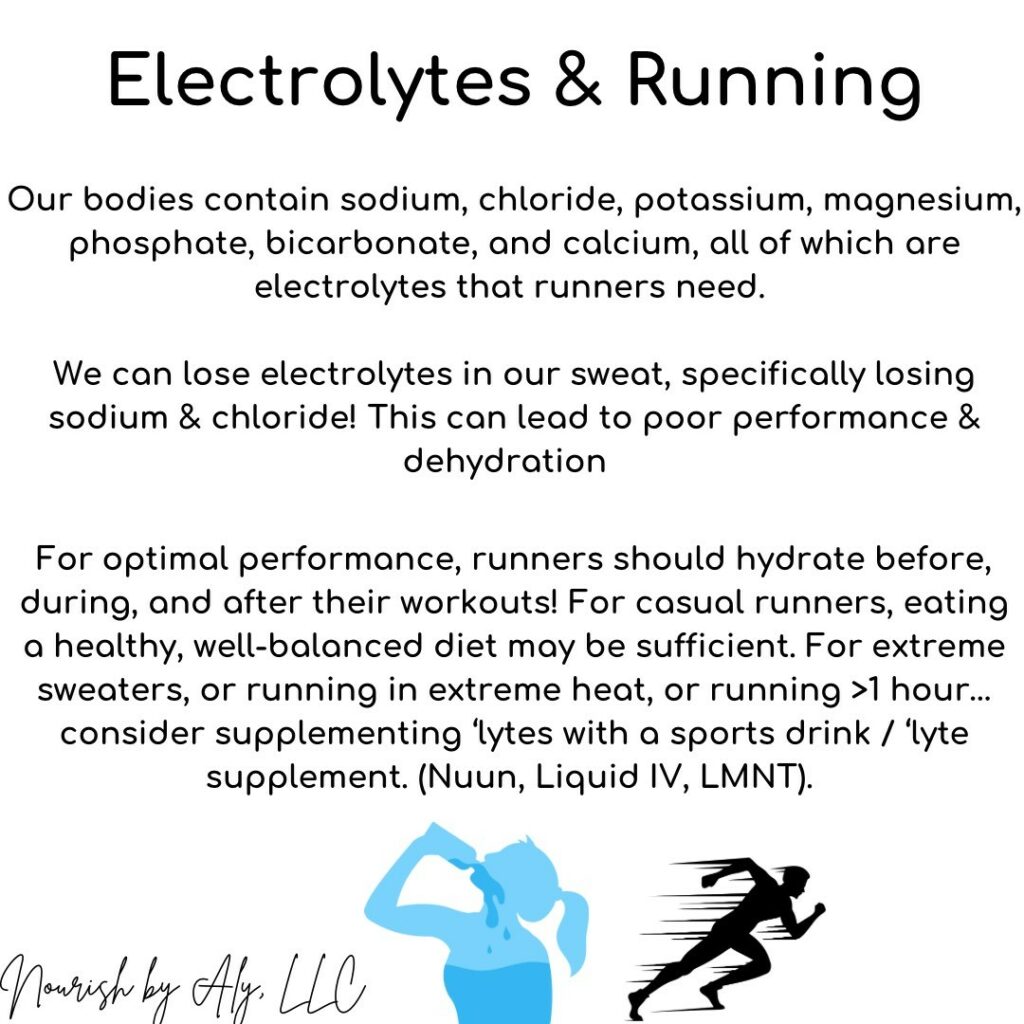
Maintaining proper hydration and electrolyte balance is crucial for marathon performance and overall health. They are interconnected; imbalances in one can quickly impact the other, leading to cramps, fatigue, and even more serious health issues. Understanding this relationship and implementing a strategic approach to hydration and electrolyte intake is vital for a successful race.
The Interplay of Hydration and Electrolytes
Hydration and electrolyte balance are intricately linked, working in concert to maintain optimal bodily functions during a marathon. Electrolytes, such as sodium, potassium, chloride, and magnesium, are essential minerals that carry an electrical charge and play a vital role in nerve function, muscle contractions, and fluid balance. Proper hydration ensures that these electrolytes are effectively transported throughout the body and can perform their functions.
Conversely, the presence of electrolytes in the right concentrations helps the body retain fluids and prevent dehydration.
- Dehydration leads to electrolyte imbalances: As the body loses fluids through sweat, it also loses electrolytes. If fluid intake doesn’t keep pace with fluid loss, the concentration of electrolytes in the blood increases, disrupting the delicate balance and potentially leading to muscle cramps.
- Electrolytes aid in fluid absorption: Electrolytes, particularly sodium, facilitate the absorption of water in the small intestine. This process ensures that the fluids consumed are effectively utilized by the body, contributing to proper hydration.
- Imbalances affect performance: Dehydration and electrolyte imbalances can significantly impair performance. Muscle cramps, fatigue, and reduced cognitive function are common consequences, making it difficult to maintain pace and complete the marathon.
Monitoring Hydration Levels
Monitoring hydration levels before and during the marathon is essential to prevent dehydration and ensure optimal performance. Several methods can be employed to assess hydration status, providing valuable insights into fluid needs.
- Urine color: This is a simple and readily available indicator. Ideally, urine should be pale yellow, similar to lemonade. Darker urine suggests dehydration, while clear urine might indicate overhydration.
- Body weight monitoring: Weighing yourself before and after training runs or the race can help estimate fluid loss. A significant drop in weight suggests fluid loss and the need for increased fluid intake.
- Thirst sensation: While thirst is a signal to drink, relying solely on thirst can be misleading, especially during intense exercise. By the time you feel thirsty, you may already be somewhat dehydrated.
- Sweat rate estimation: Knowing your sweat rate can help you personalize your hydration strategy. You can estimate your sweat rate by weighing yourself before and after a training run and measuring the amount of fluid consumed during the run. The difference represents your fluid loss.
Recognizing the signs of dehydration is critical for prompt intervention. Early signs include thirst, dry mouth, and decreased urine output. As dehydration progresses, symptoms can worsen, including:
- Muscle cramps
- Headache
- Dizziness or lightheadedness
- Fatigue
- Rapid heartbeat
If these symptoms appear, it is essential to slow down, increase fluid and electrolyte intake, and seek medical attention if symptoms persist or worsen.
Risks of Over-hydration (Hyponatremia)
While dehydration is a significant concern, over-hydration, or hyponatremia, can be equally dangerous. Hyponatremia occurs when the sodium concentration in the blood becomes abnormally low, often due to excessive fluid intake without adequate electrolyte replacement, especially sodium.
- Causes of hyponatremia:
- Excessive plain water intake: Drinking too much plain water without sufficient sodium can dilute the sodium concentration in the blood.
- Prolonged exercise: Endurance events like marathons can contribute to hyponatremia, especially if fluid intake is excessive and electrolyte replacement is inadequate.
- Pre-existing medical conditions: Certain medical conditions, such as kidney disease or heart failure, can increase the risk of hyponatremia.
- Symptoms of hyponatremia:
- Nausea and vomiting
- Headache
- Confusion
- Muscle weakness, spasms, or cramps
- Seizures
- Coma
- Preventing hyponatremia:
- Follow a personalized hydration plan: Develop a hydration strategy based on your sweat rate, race conditions, and individual needs.
- Consume electrolytes: Replace electrolytes lost through sweat, particularly sodium, by using electrolyte drinks or supplements.
- Avoid excessive plain water intake: Drink to thirst, but also incorporate electrolyte-containing beverages into your hydration plan.
- Monitor urine output: While dark urine can indicate dehydration, excessive urination, especially of clear urine, might indicate overhydration.
Hyponatremia is a serious condition that can be life-threatening. The case of a marathon runner who collapsed and died due to hyponatremia highlights the importance of balanced hydration and electrolyte intake. The runner had consumed excessive amounts of plain water during the race, leading to a dangerous drop in sodium levels. This tragic incident underscores the critical need for runners to understand the risks of overhydration and to develop a hydration strategy that balances fluid intake with electrolyte replacement.
Beyond Electrolytes
While electrolytes are crucial for preventing marathon cramping, they are not the only piece of the puzzle. Several other factors contribute to cramp development and management. A holistic approach, encompassing nutrition, training, and on-the-spot interventions, is essential for a cramp-free marathon experience.
Carbohydrate Intake and Cramp Prevention
Adequate carbohydrate intake plays a vital role in preventing cramps during a marathon. Carbohydrates are the primary fuel source for muscles, and insufficient carbohydrate availability can lead to fatigue and increased susceptibility to cramping.
- Glycogen Depletion: Muscles store carbohydrates as glycogen. As you run, your body uses this glycogen for energy. If glycogen stores are depleted, muscles may become more prone to cramping. This is especially true towards the end of a marathon.
- Energy for Muscle Function: Carbohydrates provide the energy needed for muscle contractions. Without enough carbohydrates, the muscles may not function efficiently, increasing the likelihood of cramps.
- Timing of Carbohydrate Intake: Carbohydrate intake is important before, during, and after the marathon. Before the race, carb-loading helps to maximize glycogen stores. During the race, consuming carbohydrates through gels, chews, or sports drinks provides a continuous fuel supply. After the race, replenishing carbohydrate stores aids in recovery.
Importance of Proper Training and Pacing in Cramp Prevention
Effective training and pacing strategies are paramount in mitigating the risk of marathon cramping. Both aspects are intertwined and contribute significantly to your body’s ability to endure the race without experiencing debilitating cramps.
- Gradual Progression: Increasing your training mileage gradually is essential. Overtraining can lead to muscle fatigue and an increased risk of cramping. Follow the 10% rule, which suggests increasing your weekly mileage by no more than 10% to allow your body to adapt.
- Specificity of Training: Train your body for the specific demands of a marathon. Include long runs at race pace, simulating race conditions. This prepares your muscles to handle the sustained effort and helps them become more efficient at utilizing energy.
- Pacing Strategy: Stick to a consistent and manageable pace throughout the race. Starting too fast depletes glycogen stores early and increases the risk of cramping later. Consider using a pacing strategy that allows you to conserve energy in the first half and maintain a consistent effort in the second half.
- Listen to Your Body: Pay close attention to any early signs of fatigue or discomfort during training runs. This helps you to identify potential problems before they escalate into cramps during the race.
Techniques for Managing Cramps During a Marathon
Even with meticulous preparation, cramps can still occur. Knowing how to manage cramps during a marathon can help minimize their impact and allow you to continue running.
Stretching: Gentle stretching can help alleviate cramps by relaxing the affected muscles. Stop running and gently stretch the cramped muscle. For example, if your calf is cramping, pull your toes toward your shin. Hold the stretch for 15-30 seconds. Repeat several times.
Massage: Massage can help increase blood flow and reduce muscle spasms. Gently massage the cramped muscle, working out any knots or tightness. A sports massage therapist can be beneficial, but you can also self-massage if needed.
Adjusting Pace: Slowing down or even walking for a short period can give your muscles a chance to recover. This can allow your body to reset and prevent the cramp from worsening.
Hydration and Electrolyte Replenishment: Ensure you’re consuming adequate fluids and electrolytes. Dehydration and electrolyte imbalances are common contributors to cramps. Sip on a sports drink or electrolyte-rich beverage to replenish lost fluids and minerals.
Post-Race Recovery
Congratulations! You’ve crossed the finish line. Now, the real work of recovery begins. Your body has been through an incredible ordeal, and proper post-race care is crucial for muscle repair, electrolyte replenishment, and overall well-being. This isn’t just about feeling better quickly; it’s about preventing further injury and setting yourself up for future training success.
Post-Race Electrolyte and Hydration Recovery Plan
Immediately after finishing the marathon, your body is depleted. Replenishing fluids and electrolytes should be a top priority. This is how to do it effectively:
- Immediate Hydration: Drink water and an electrolyte solution as soon as possible. Aim for at least 16-20 ounces of fluid within the first hour. The electrolyte solution should contain sodium, potassium, magnesium, and potentially calcium.
- Post-Race Meal: Consume a balanced meal or snack within 1-2 hours of finishing. This should include carbohydrates to replenish glycogen stores, protein for muscle repair, and healthy fats. Examples include a protein shake with fruit, a sandwich with lean protein, or a meal with rice and grilled chicken.
- Continued Hydration: Continue to sip on water and electrolyte drinks throughout the day, even if you don’t feel thirsty. Your body is still processing the stress of the race.
- Monitor Urine Color: Keep an eye on your urine color. Aim for a pale yellow color, indicating adequate hydration. Dark urine suggests dehydration.
- Consider IV Fluids (Under Medical Supervision): In some cases, especially if experiencing severe dehydration or nausea, intravenous (IV) fluids might be necessary. This should only be administered by a medical professional.
Replenishing Electrolytes and Repairing Muscle Damage
Recovering from a marathon involves more than just hydration. Your muscles need help to repair themselves, and your electrolyte balance needs to be restored. Here’s how to address these critical needs:
- Electrolyte-Rich Foods: Incorporate electrolyte-rich foods into your diet. Bananas (potassium), avocados (magnesium), and salty snacks like pretzels (sodium) can help.
- Protein Intake: Protein is essential for muscle repair. Consume protein-rich foods such as lean meats, fish, eggs, and dairy products. Aim for about 20-30 grams of protein per meal.
- Carbohydrate Replenishment: Carbohydrates are crucial for restoring glycogen stores. Choose complex carbohydrates like whole grains, fruits, and vegetables.
- Anti-Inflammatory Foods: Consider incorporating foods with anti-inflammatory properties to aid recovery. These include berries, fatty fish (salmon), and leafy green vegetables.
- Gentle Stretching and Mobility: Engage in gentle stretching and mobility exercises to promote blood flow and reduce muscle soreness. Avoid strenuous activity for the first few days.
- Rest and Sleep: Prioritize rest and sleep. Your body repairs itself most effectively during sleep. Aim for 7-9 hours of quality sleep each night.
- Massage and Foam Rolling: Consider massage or foam rolling to help alleviate muscle soreness and improve recovery.
Importance of Continued Hydration and Electrolyte Intake in the Days Following the Race
Recovery isn’t a one-day event. Your body continues to recover for several days after the marathon. Maintaining proper hydration and electrolyte balance during this period is vital for optimal recovery and preventing further complications.
- Hydration Schedule: Continue to drink plenty of water and electrolyte solutions in the days following the race. Don’t wait until you feel thirsty.
- Electrolyte Supplementation: Consider continuing to take electrolyte supplements, especially if you’re still experiencing muscle soreness or fatigue. The amount will vary based on individual needs and activity level.
- Listen to Your Body: Pay attention to your body’s signals. If you’re feeling excessively tired, experiencing muscle cramps, or have dark urine, increase your fluid and electrolyte intake.
- Gradual Return to Activity: Avoid a sudden return to intense training. Gradually increase your activity level over several weeks. This allows your body to fully recover and adapt.
- Monitor for Signs of Overexertion: Be vigilant for signs of overexertion, such as prolonged muscle soreness, fatigue, or difficulty sleeping. If these symptoms persist, consult with a healthcare professional.
Case Studies and Real-World Examples
Understanding how electrolytes function in real-world marathon scenarios is crucial for effective race preparation. Learning from the experiences of other runners, both successful and those who faced challenges, provides invaluable insights into personalized electrolyte strategies. Analyzing environmental impacts on electrolyte needs further refines this understanding.
Successful Electrolyte Use: Case Study
A seasoned marathon runner, let’s call him Mark, consistently struggled with calf cramps during the final miles of his races. He had tried various approaches, including different pacing strategies and carbohydrate loading, but the cramping persisted. After consulting with a sports nutritionist and experimenting during training runs, Mark adopted a comprehensive electrolyte plan.He began by:
- Calculating his estimated sweat rate and electrolyte loss using sweat testing during training.
- Creating a pre-race electrolyte loading protocol with a high-sodium drink the evening before and morning of the race.
- Implementing a planned electrolyte intake schedule during the marathon, consuming electrolyte gels and a sports drink with a balanced sodium, potassium, and magnesium profile at specific intervals.
- Carefully monitoring his hydration levels and adjusting his electrolyte intake based on perceived exertion and weather conditions.
During his next marathon, Mark completed the race without any cramping. He maintained his electrolyte strategy, hydrating appropriately, and the results were significant. Mark’s experience showcases the power of a personalized electrolyte plan, demonstrating how proactive strategies can successfully prevent cramping.
Adjusting Electrolyte Strategy: Real-World Example
Sarah, a runner preparing for her first marathon, initially followed a standard electrolyte plan recommended by a running coach. She consumed electrolyte tablets during the race, but in the second half, she began experiencing mild cramping in her hamstrings. She realized she was not drinking enough water to match the electrolyte intake, leading to a concentration of electrolytes that her body could not manage.Her adjustments involved:
- Increasing her overall fluid intake, especially during the hotter parts of the race.
- Switching to a sports drink with a lower electrolyte concentration but higher carbohydrate content to help fuel her runs and replace sodium.
- Adjusting the frequency of her electrolyte intake, consuming smaller doses more frequently.
These modifications, combined with listening to her body and adapting her strategy in real-time, enabled Sarah to finish her marathon without further cramping. Sarah’s case underlines the importance of flexibility and responsiveness to individual needs during the marathon.
Environmental Impact on Electrolyte Needs
Environmental conditions, particularly heat and humidity, significantly influence electrolyte requirements. Higher temperatures and humidity levels increase sweat rates, resulting in greater electrolyte loss. Runners must understand how to adapt their electrolyte intake to accommodate these variations.Consider these scenarios:
- Hot and Humid Conditions: In a marathon run in Miami, Florida, where temperatures reach 85°F (29°C) and humidity is 75%, a runner can lose significantly more sodium and potassium through sweat compared to a race in cooler, drier conditions. A study found that runners in hot, humid environments experienced a 20-30% increase in sweat sodium loss. This necessitates a higher sodium intake before and during the race to prevent hyponatremia.
- Cool and Dry Conditions: A marathon in Denver, Colorado, where the temperature is 50°F (10°C) and the humidity is 30%, would result in a lower sweat rate and less electrolyte loss. Runners in this environment may still need electrolytes, but in potentially smaller quantities and less frequently. However, the high altitude of Denver could also increase respiration rates, leading to additional fluid loss.
- Windy Conditions: Windy conditions can also affect electrolyte needs. Wind can accelerate evaporation, leading to higher fluid loss and potential dehydration, especially in dry climates. Runners need to monitor their hydration levels and adjust their electrolyte intake accordingly.
The awareness of these environmental factors allows runners to make informed decisions about their electrolyte strategies, maximizing their chances of a successful and cramp-free race.
Closing Notes
In summary, mastering electrolyte management is a game-changer for marathon runners. By understanding the science, personalizing your strategy, and practicing your plan during training, you can significantly reduce your risk of cramps. Remember to consider factors beyond electrolytes, such as hydration, carbohydrate intake, and proper pacing. Embrace the information and strategies Artikeld, and you’ll be well on your way to a cramp-free and successful marathon experience, allowing you to fully enjoy the thrill of the race and the satisfaction of reaching your goals.